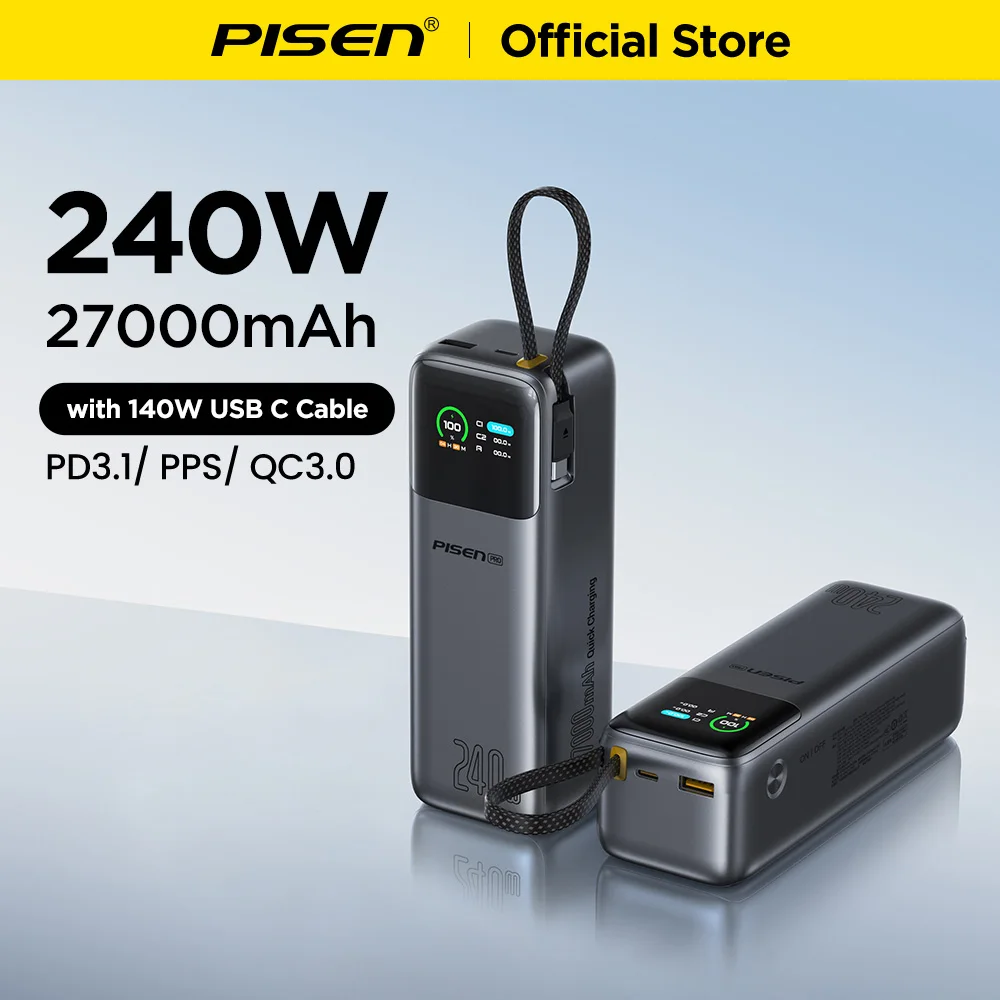
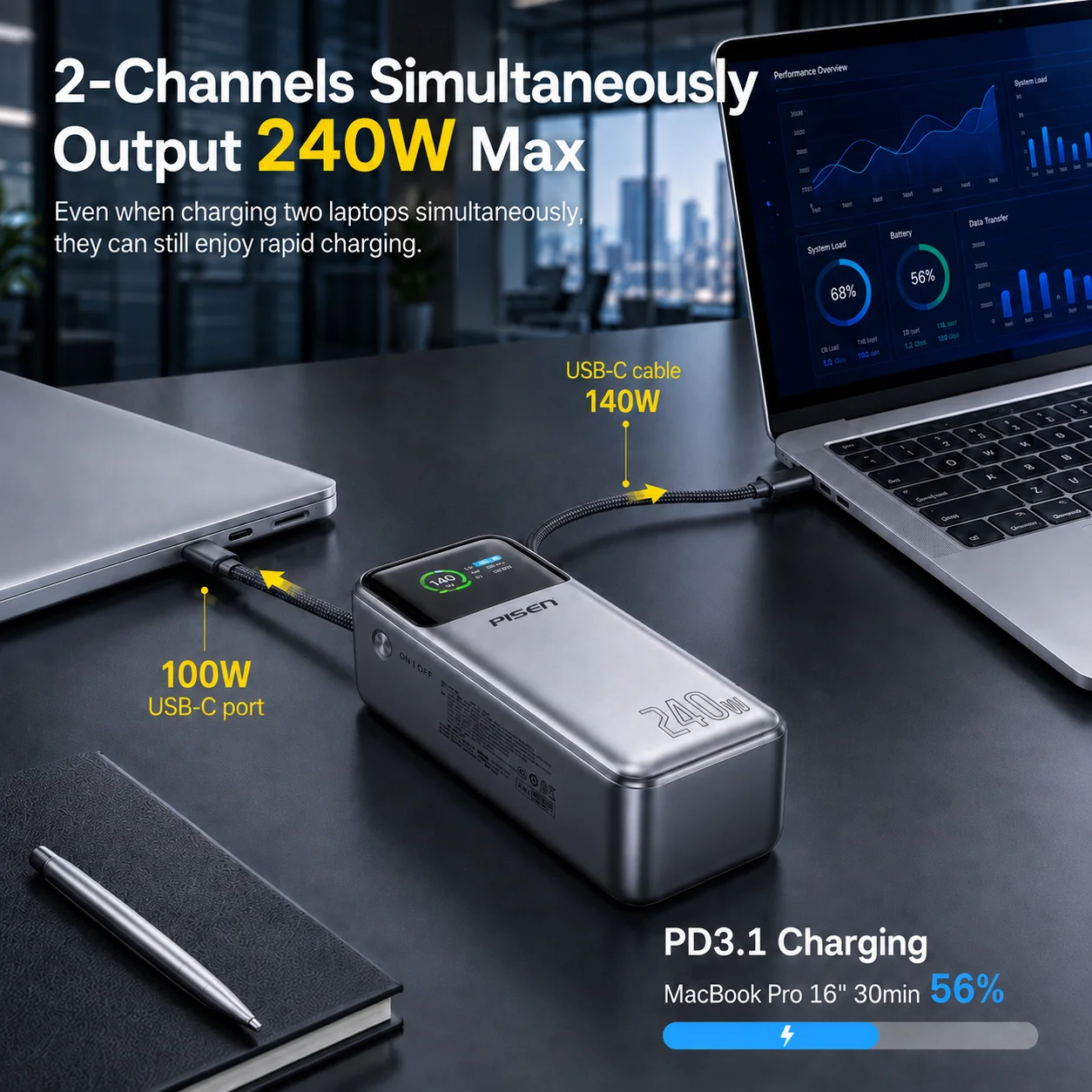
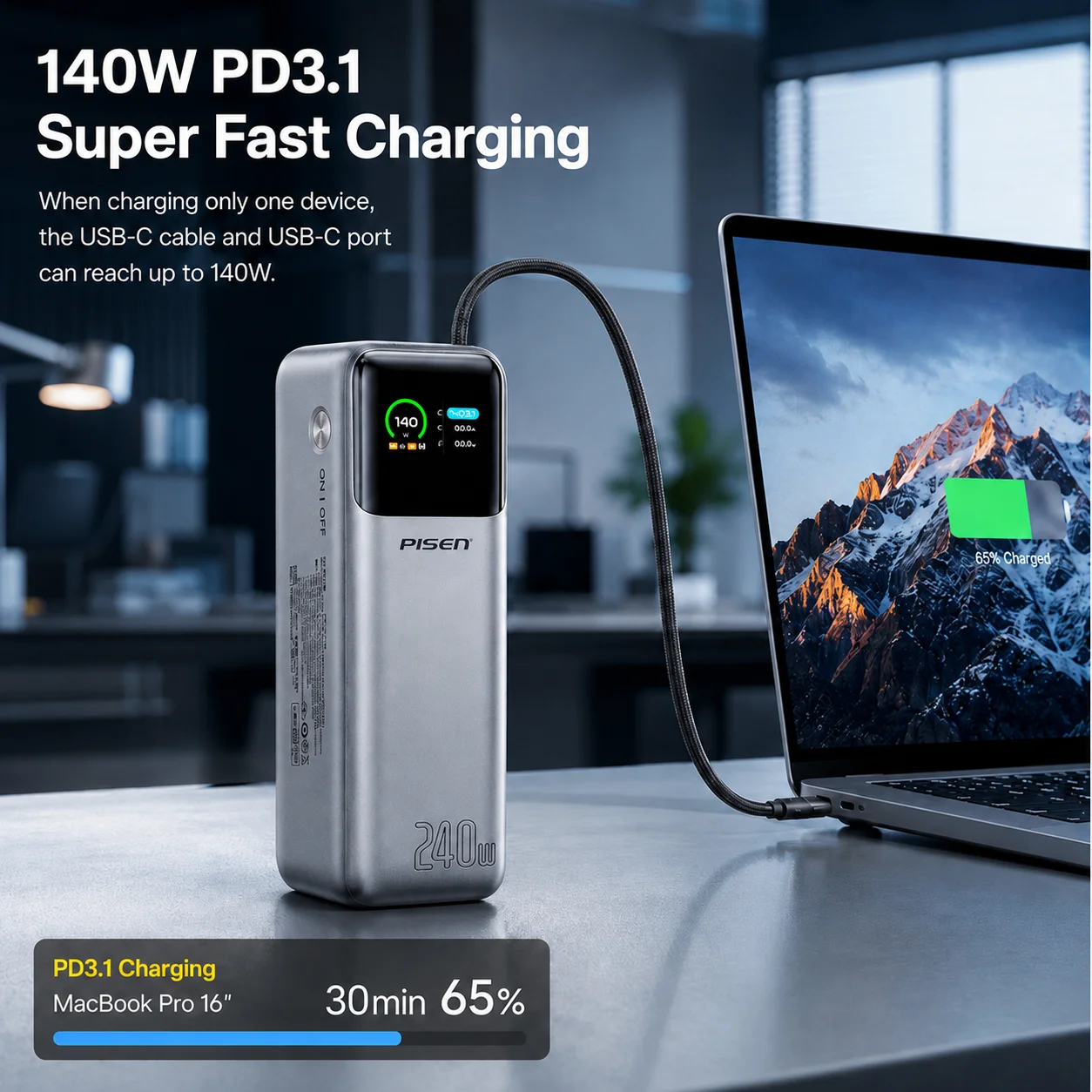
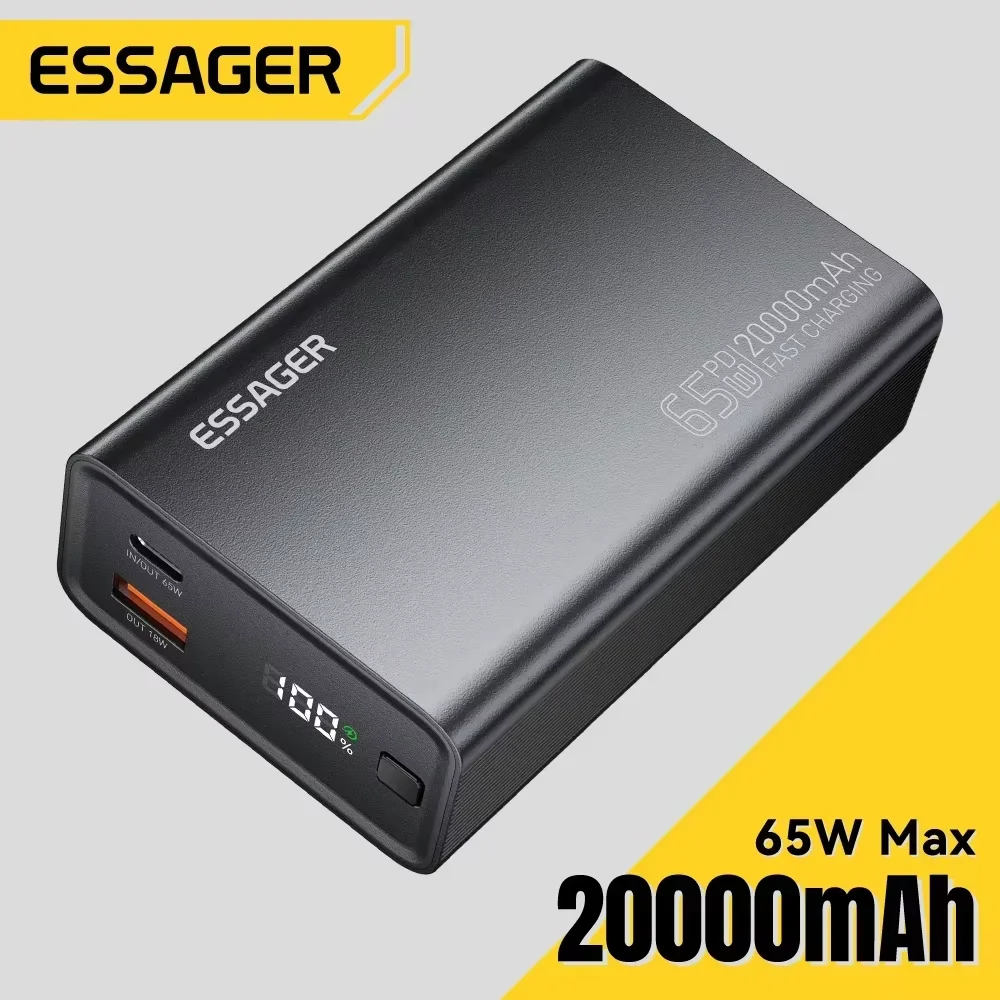
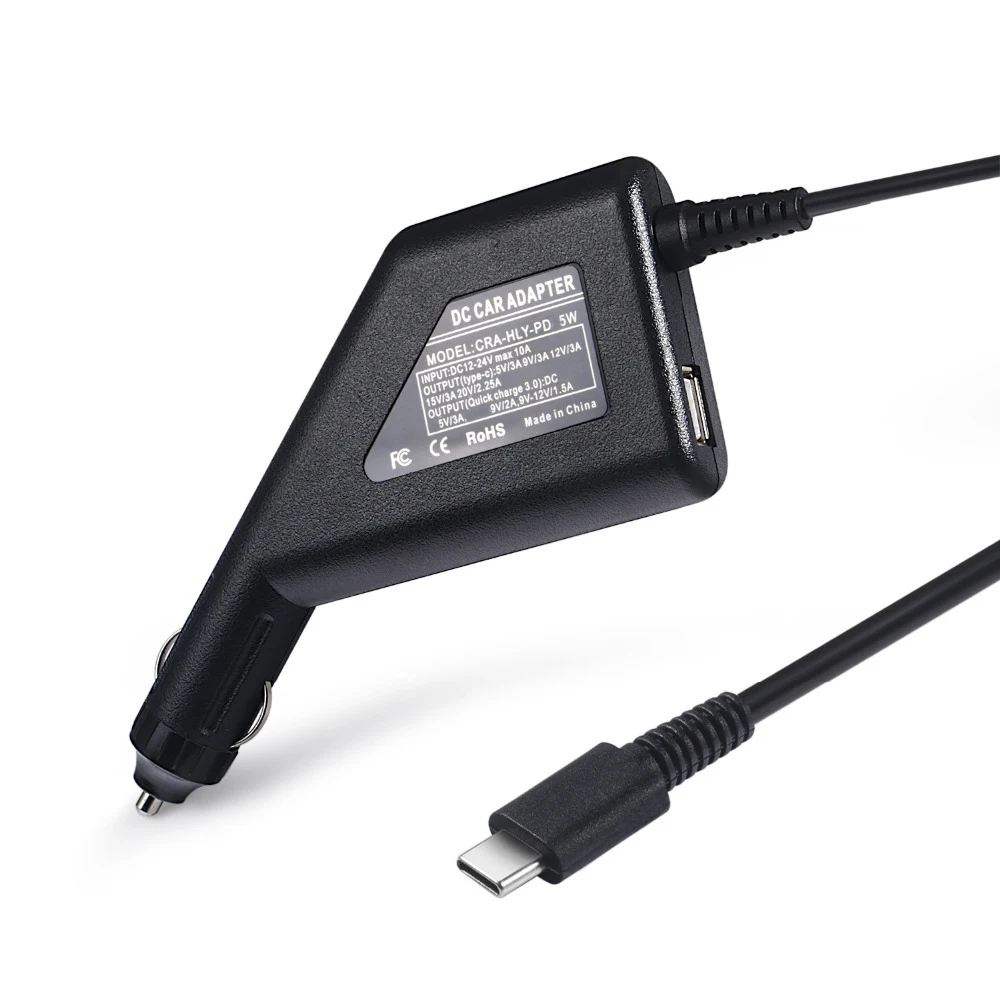
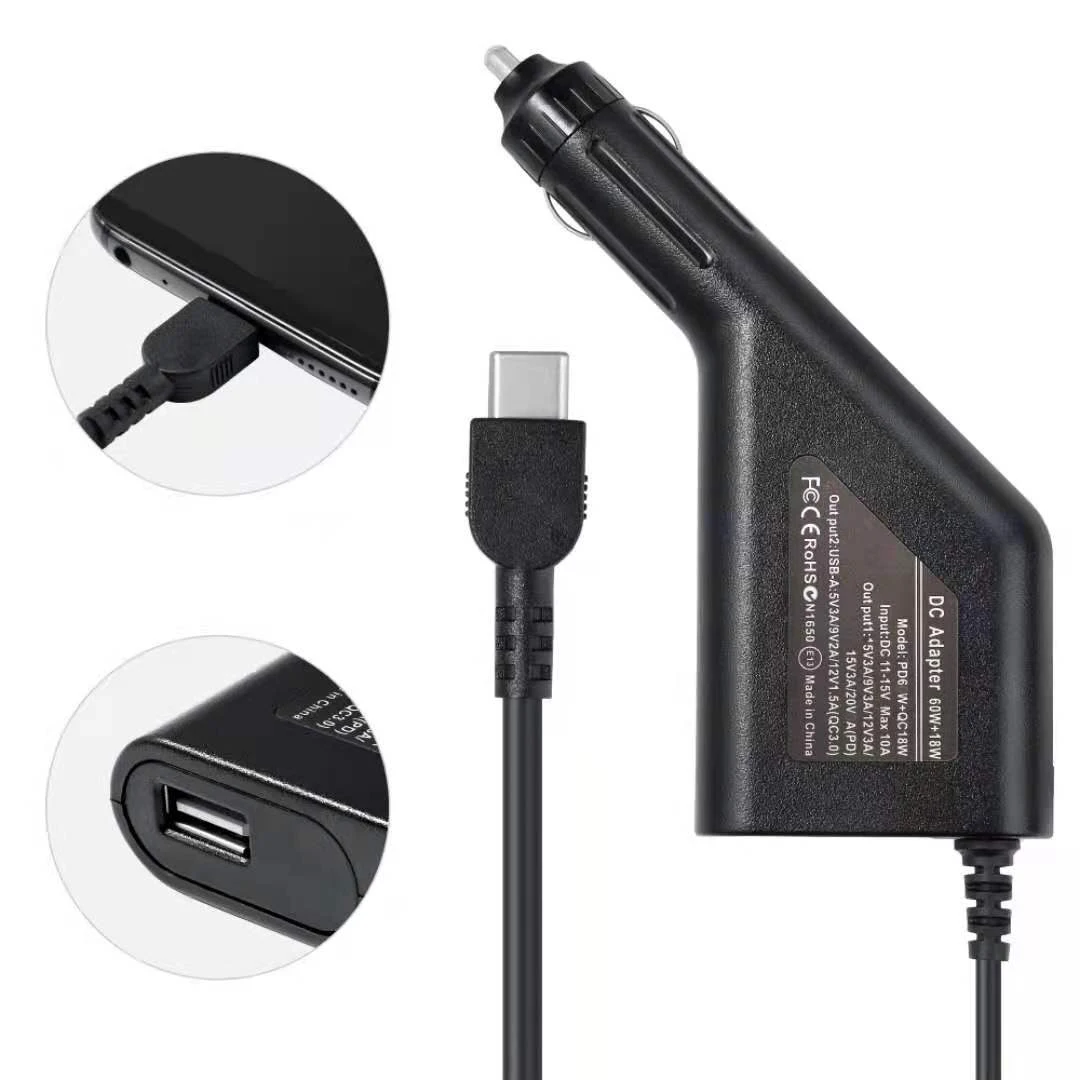
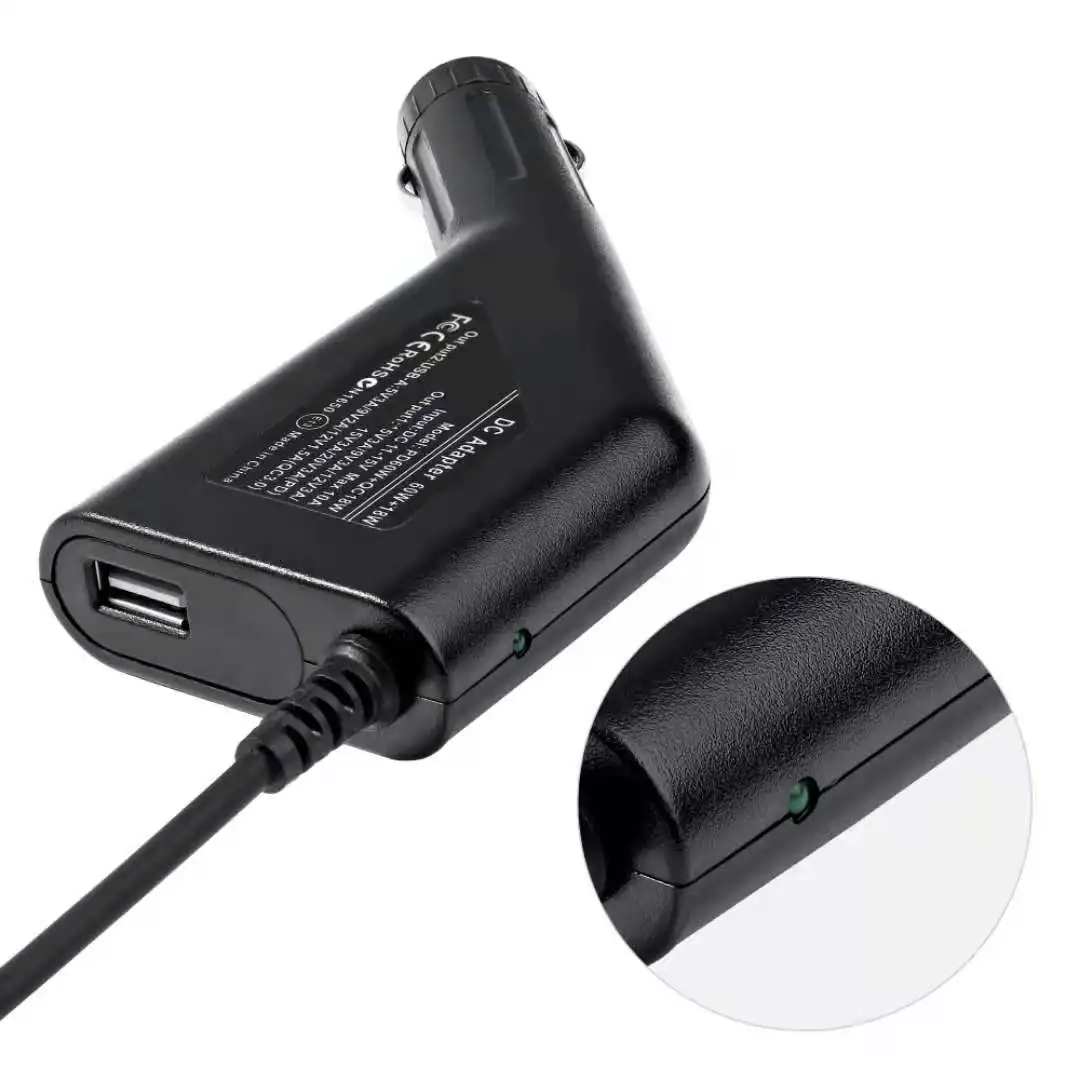
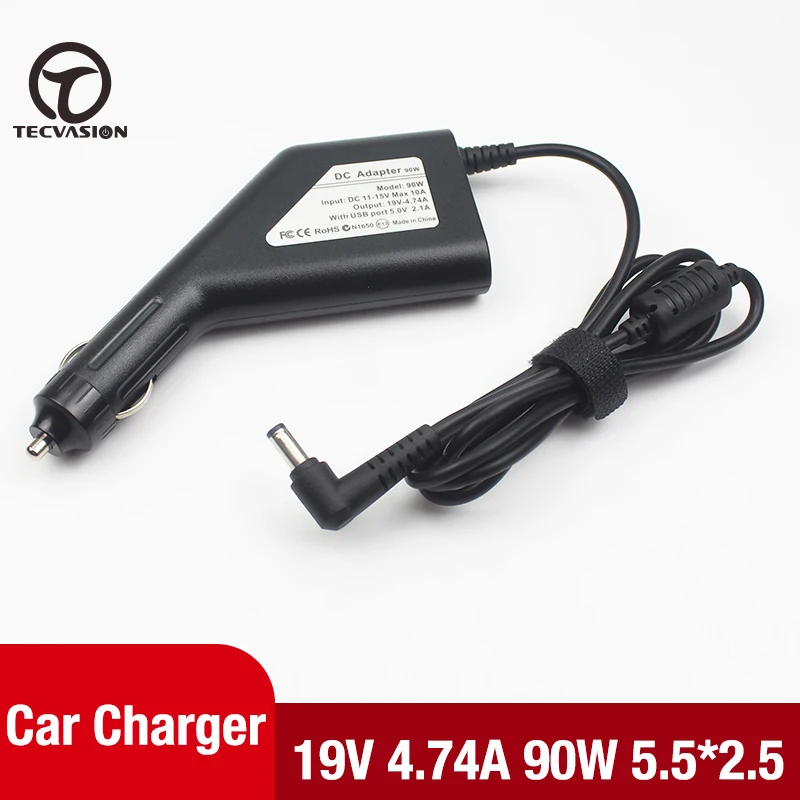
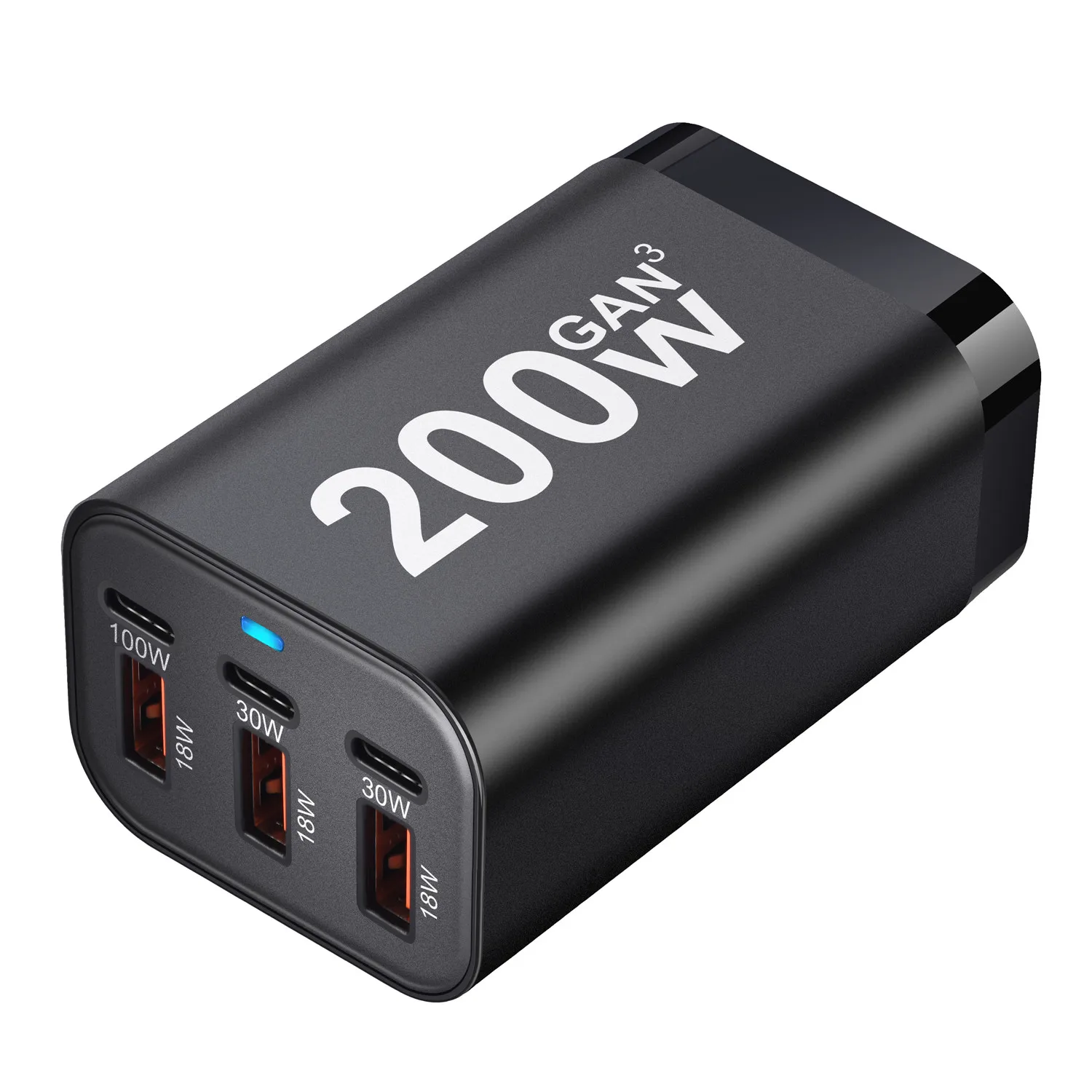
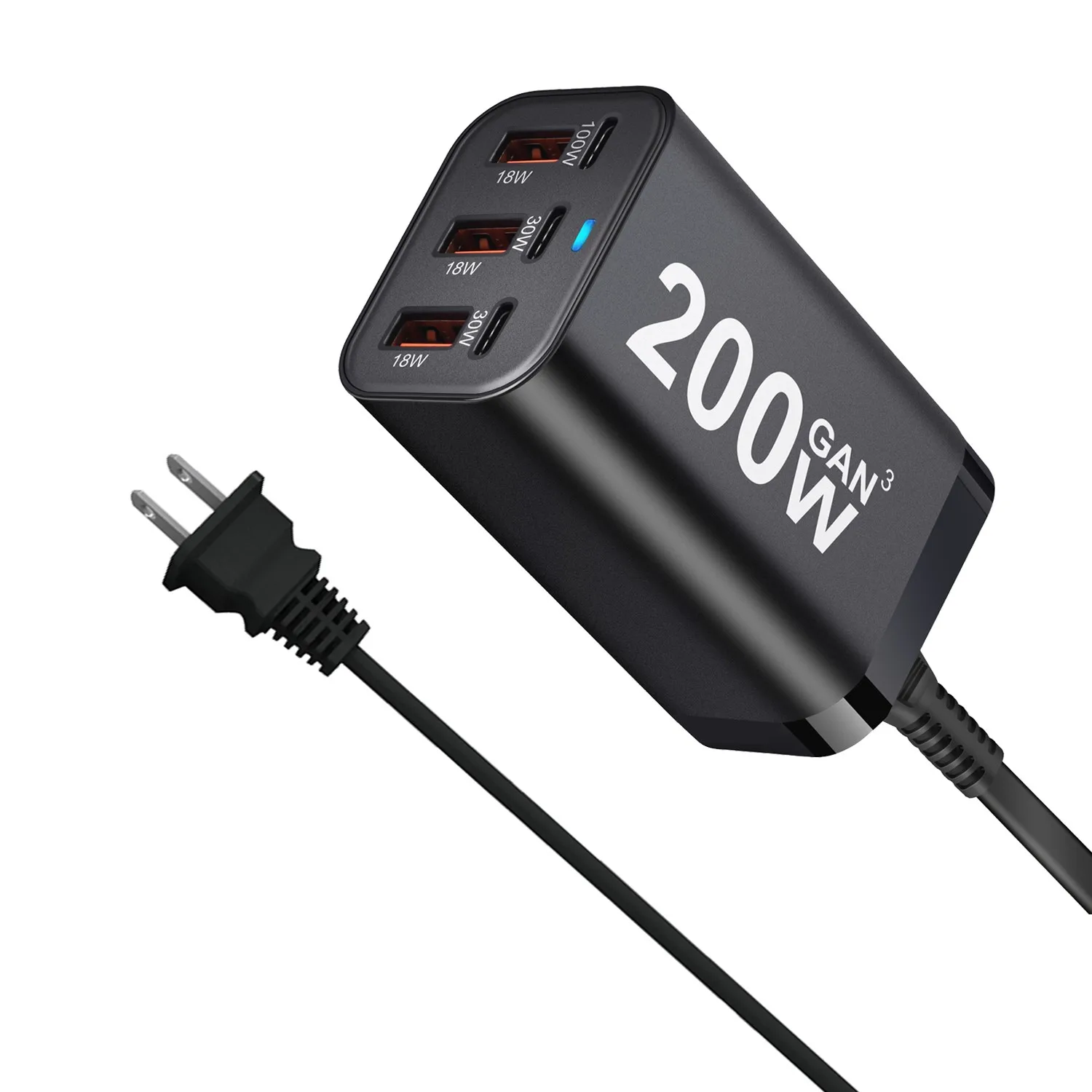
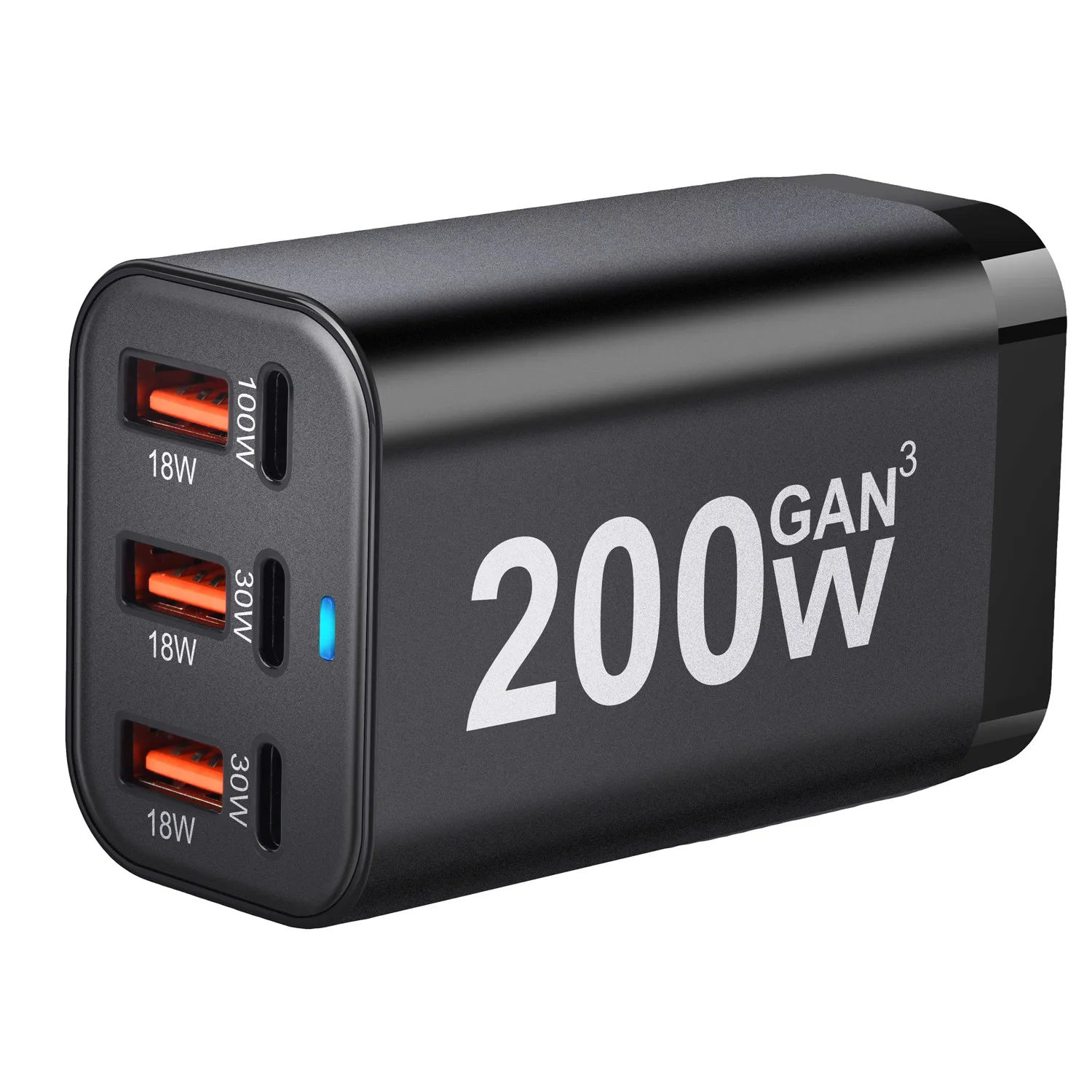
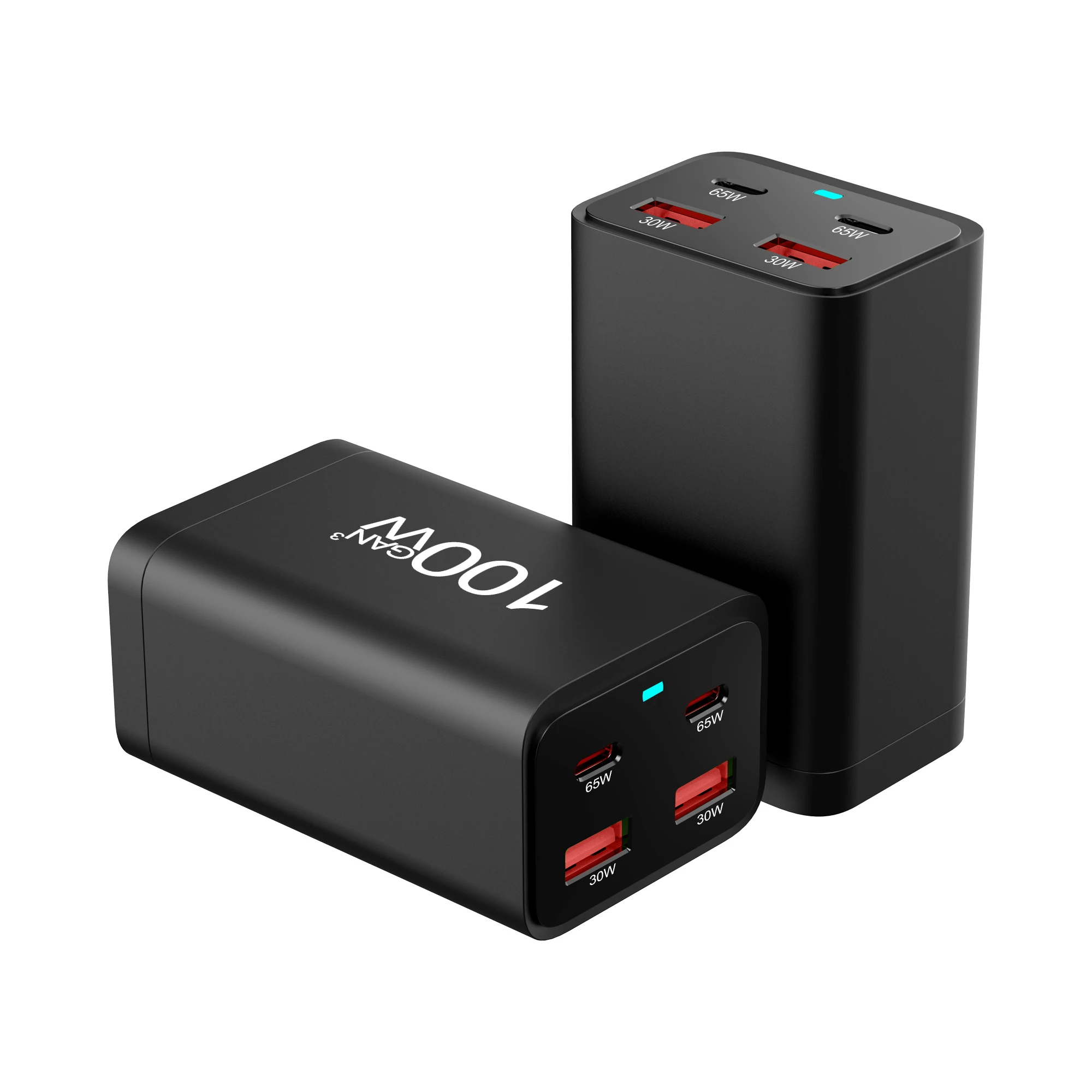
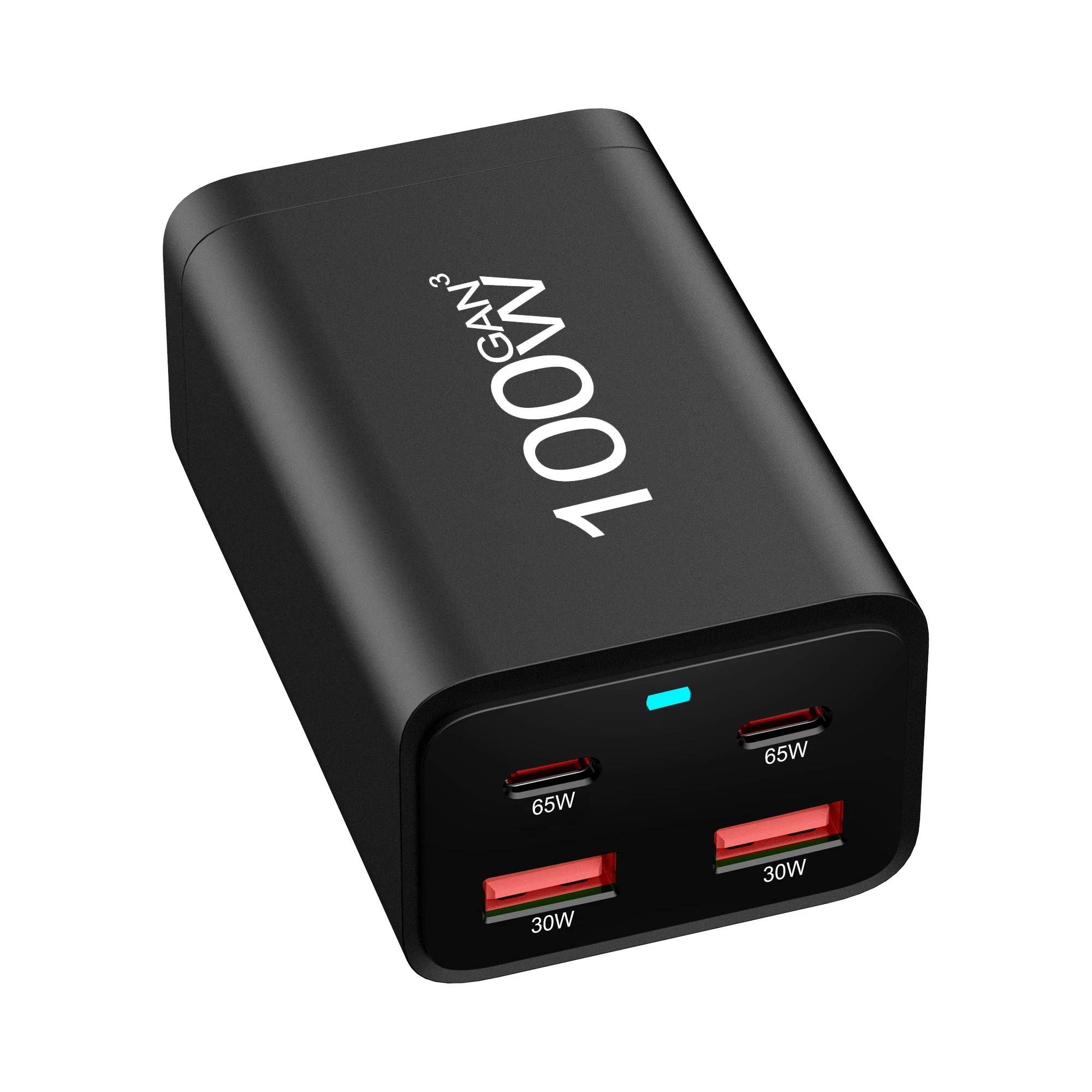
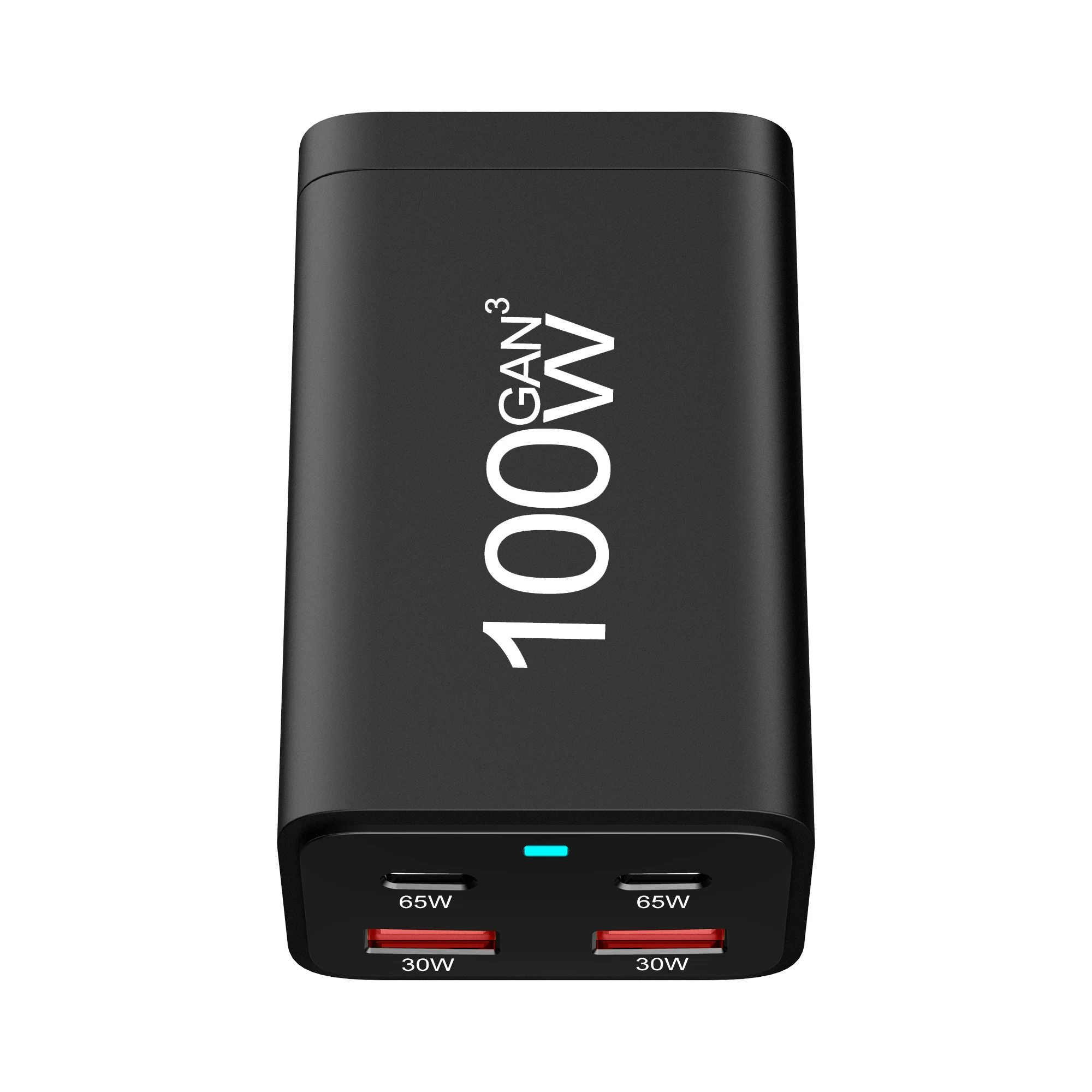
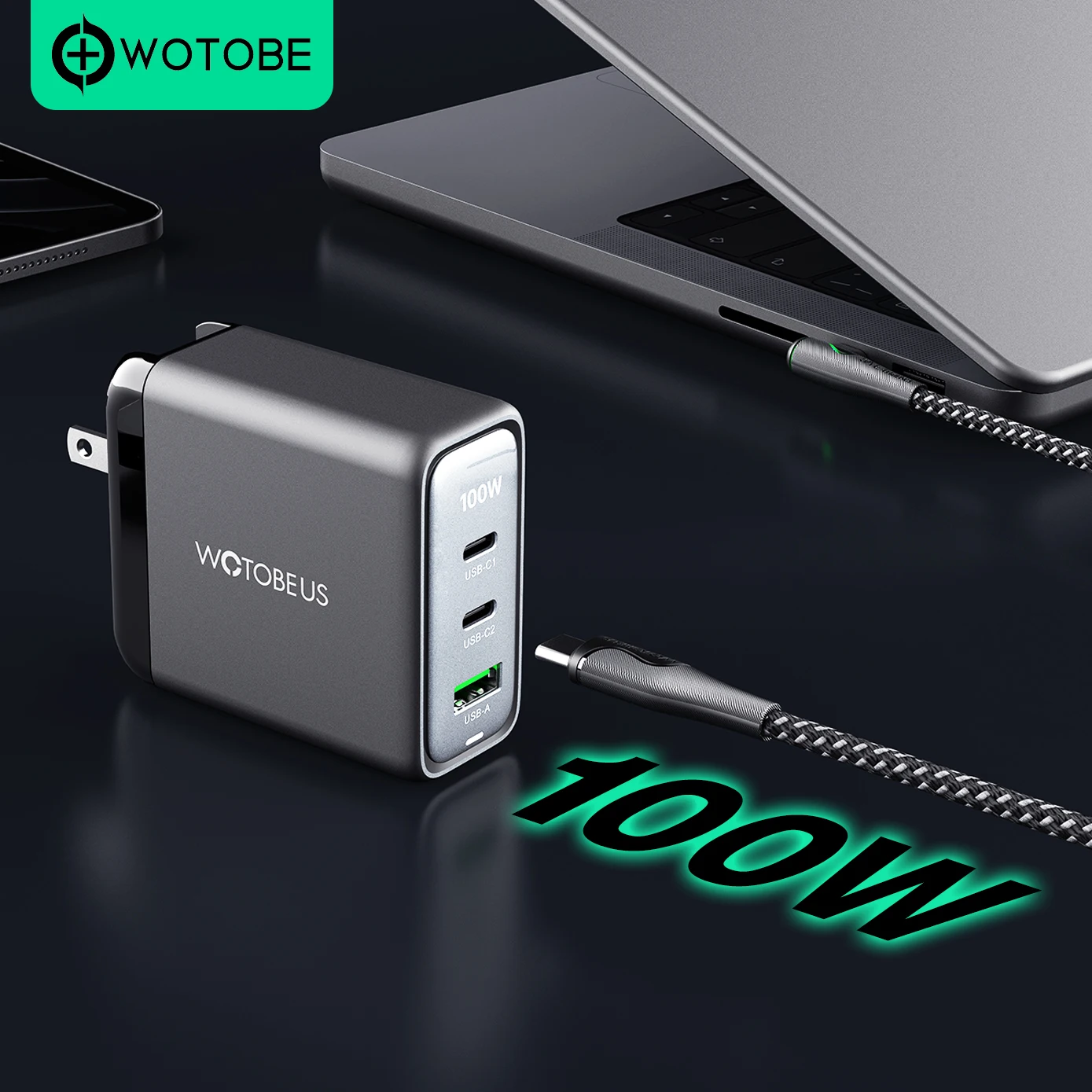
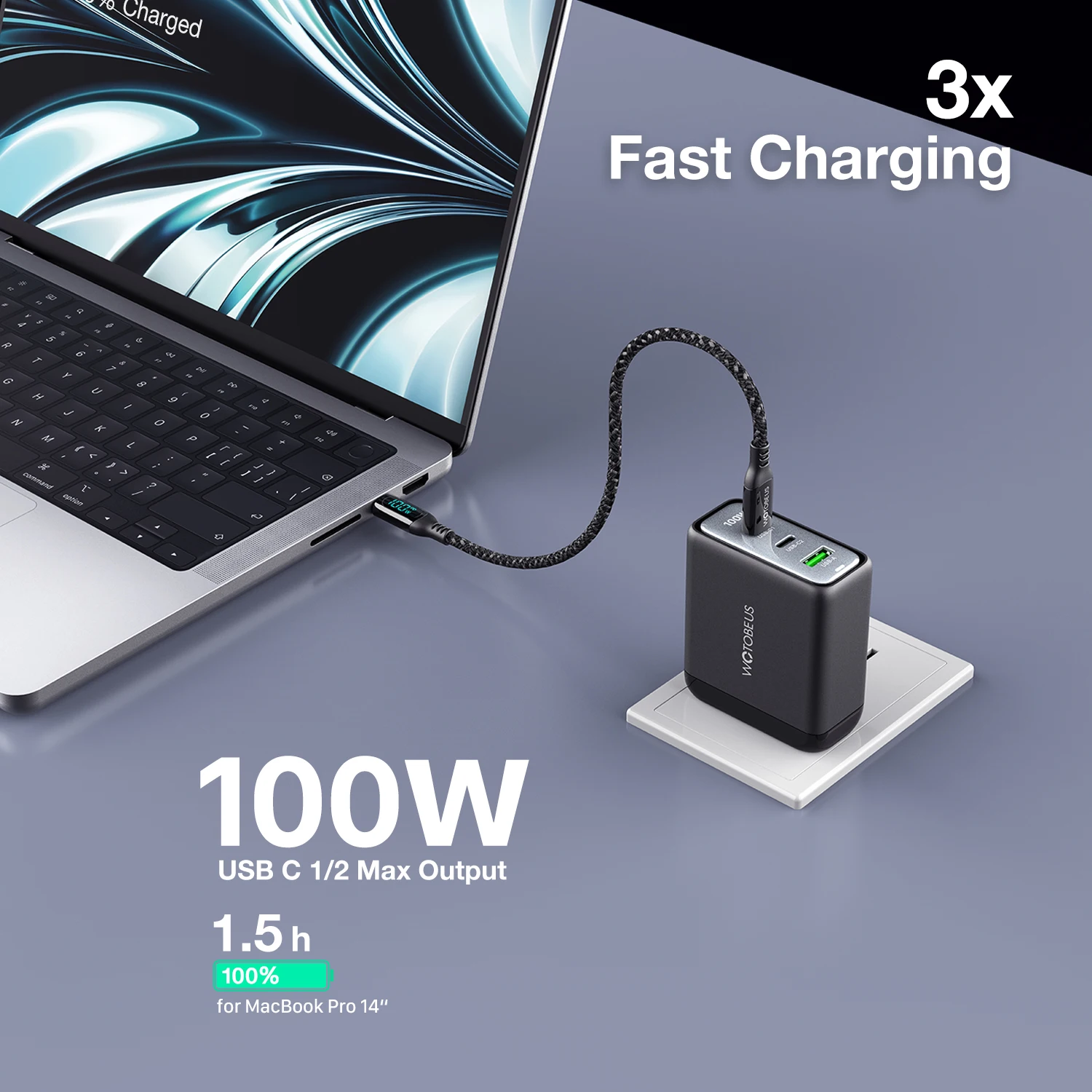
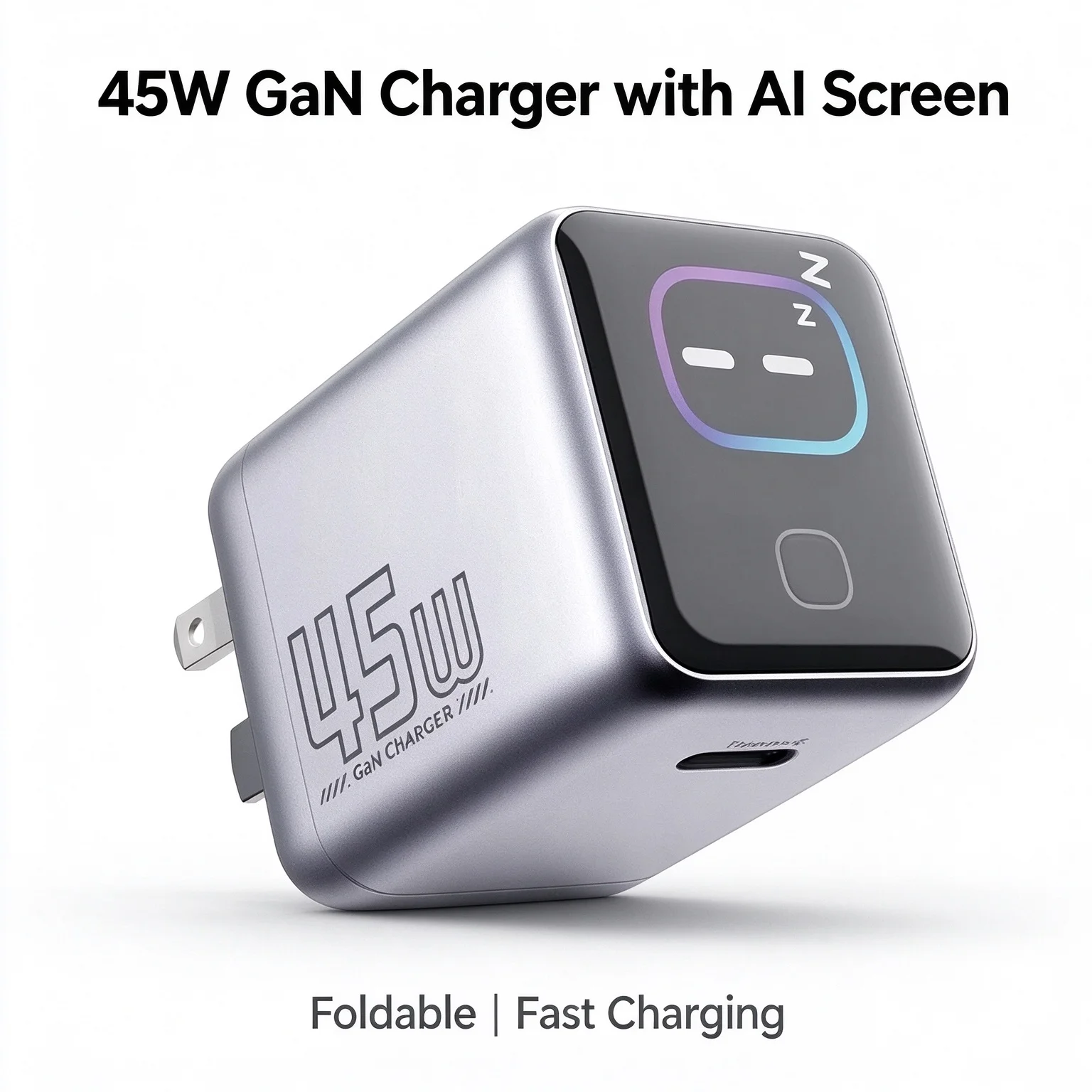
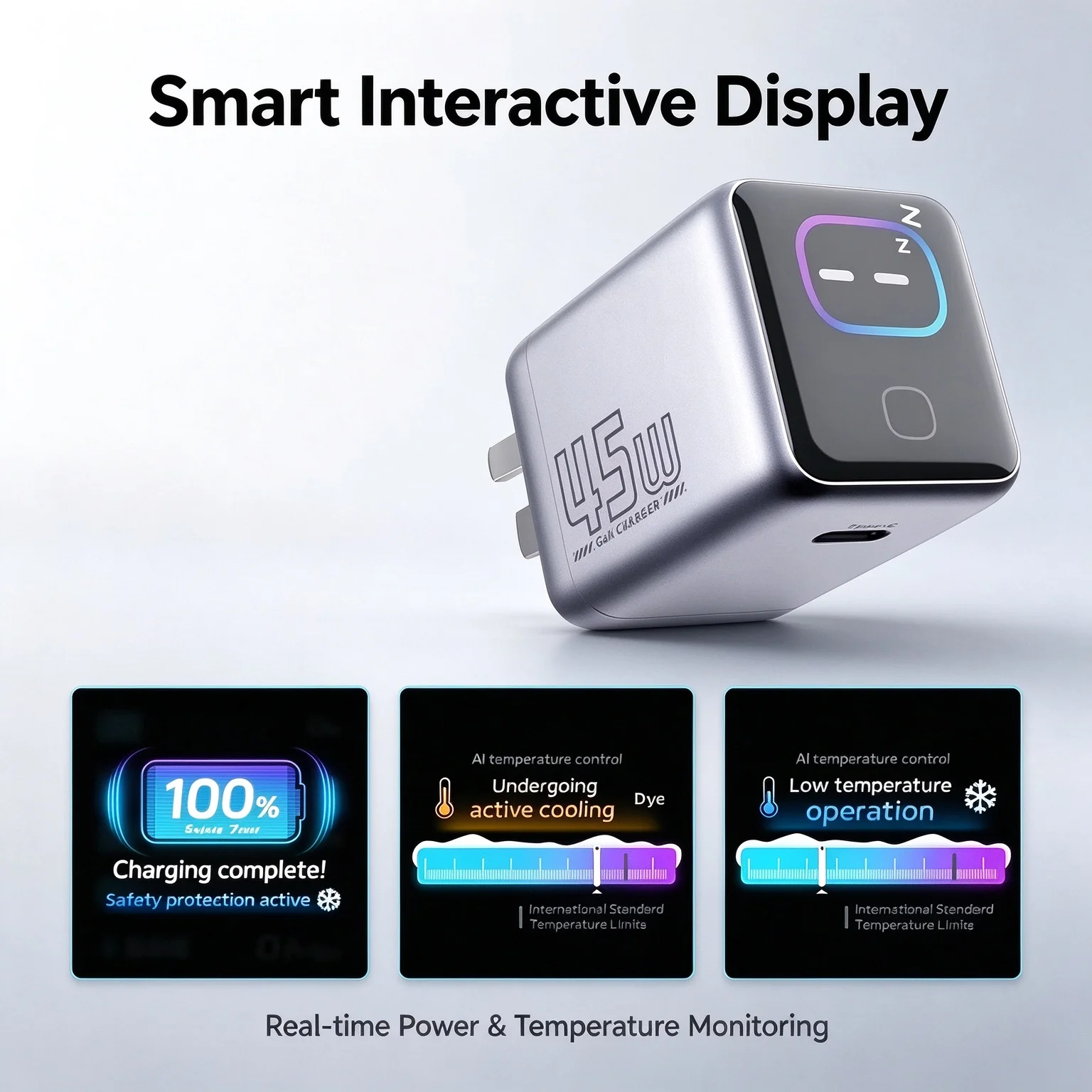
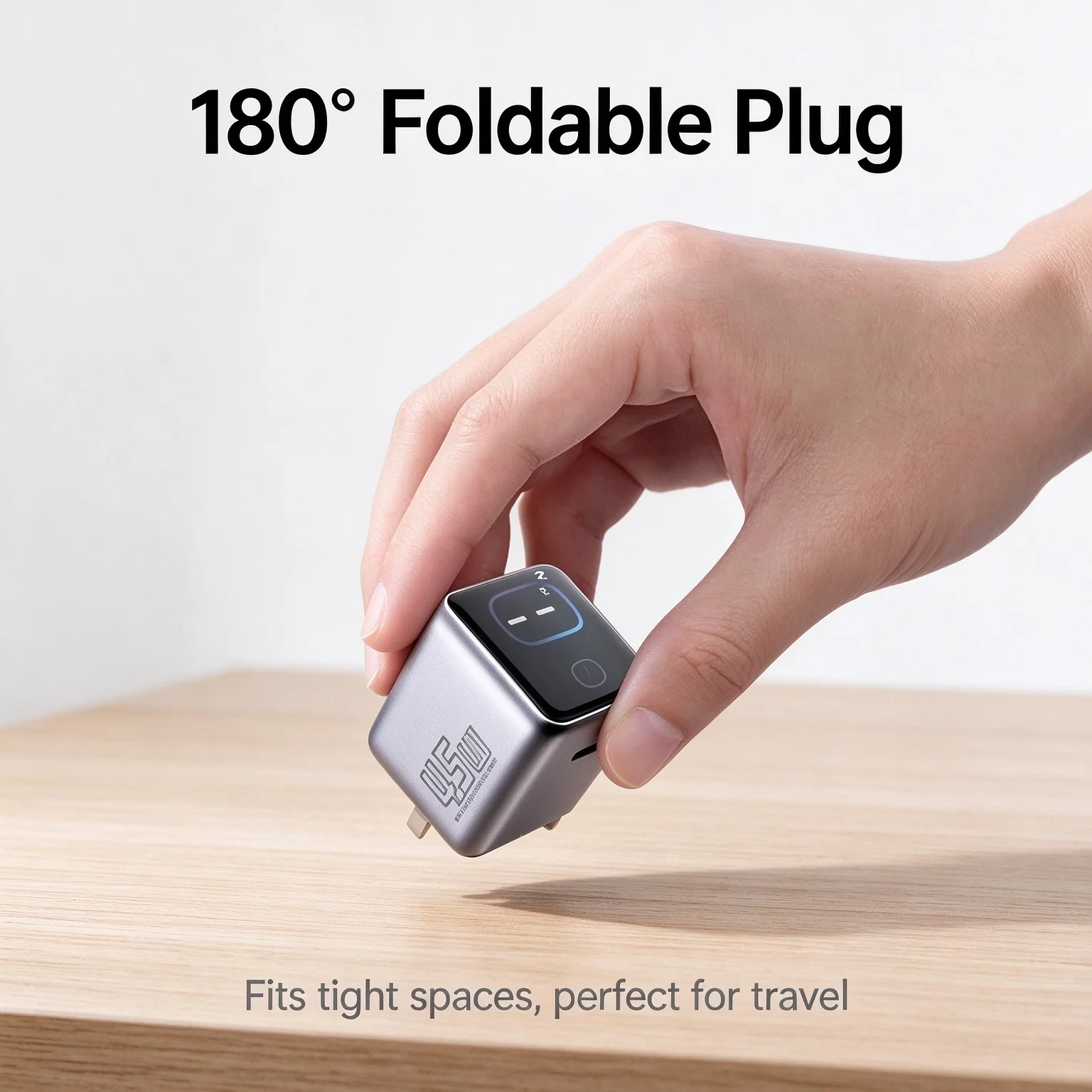
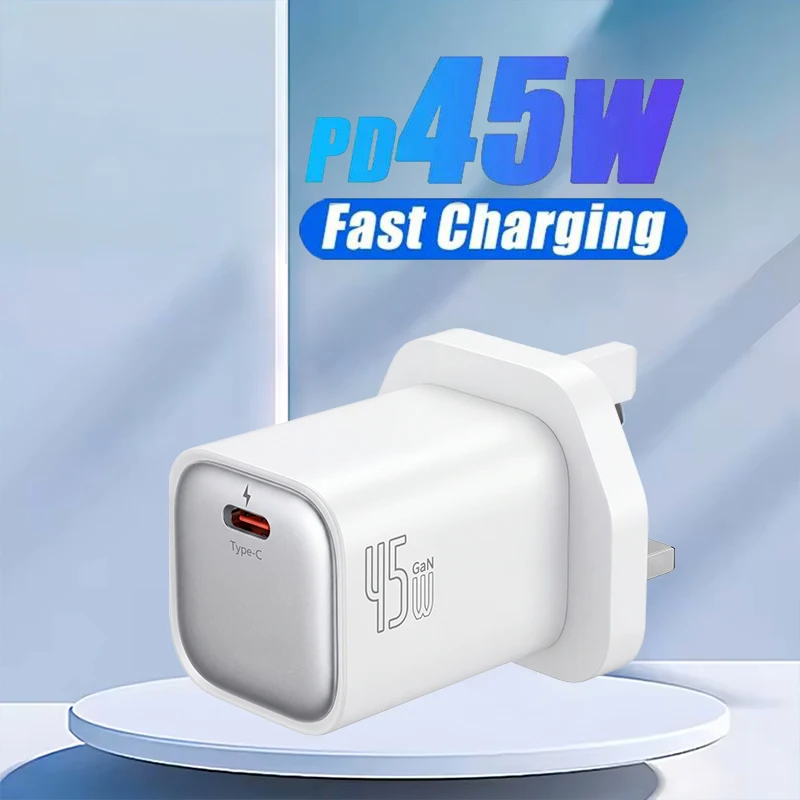
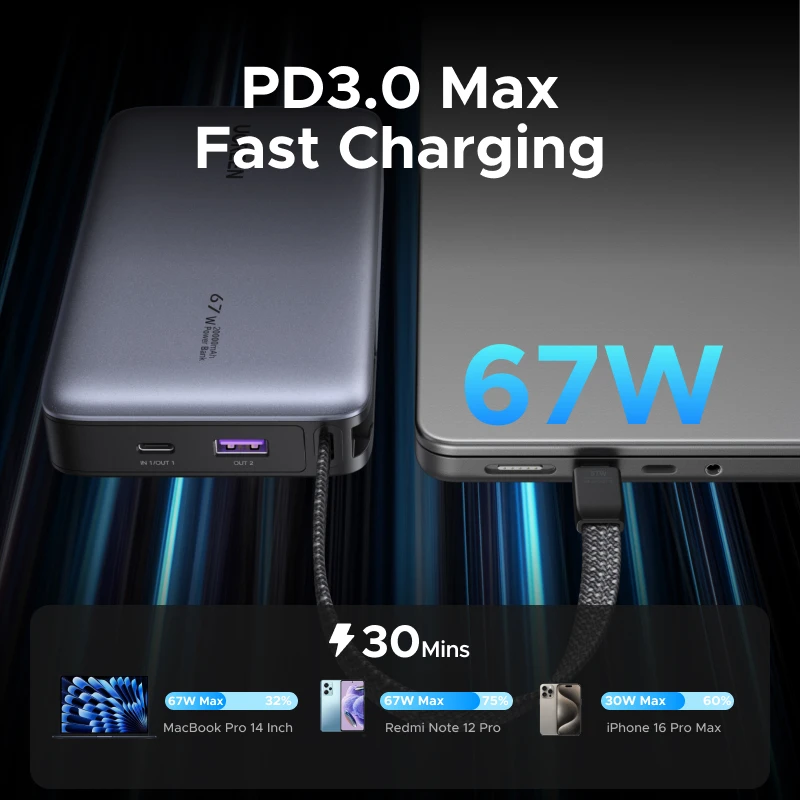
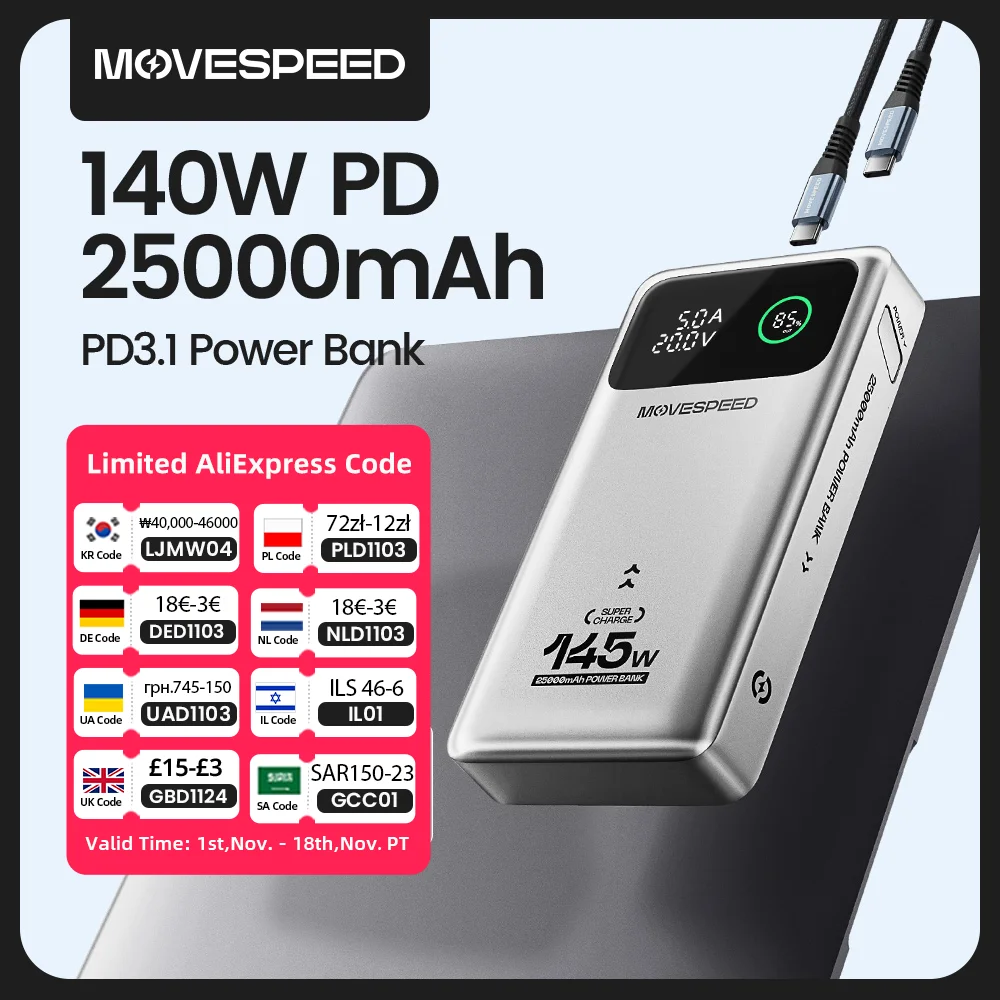
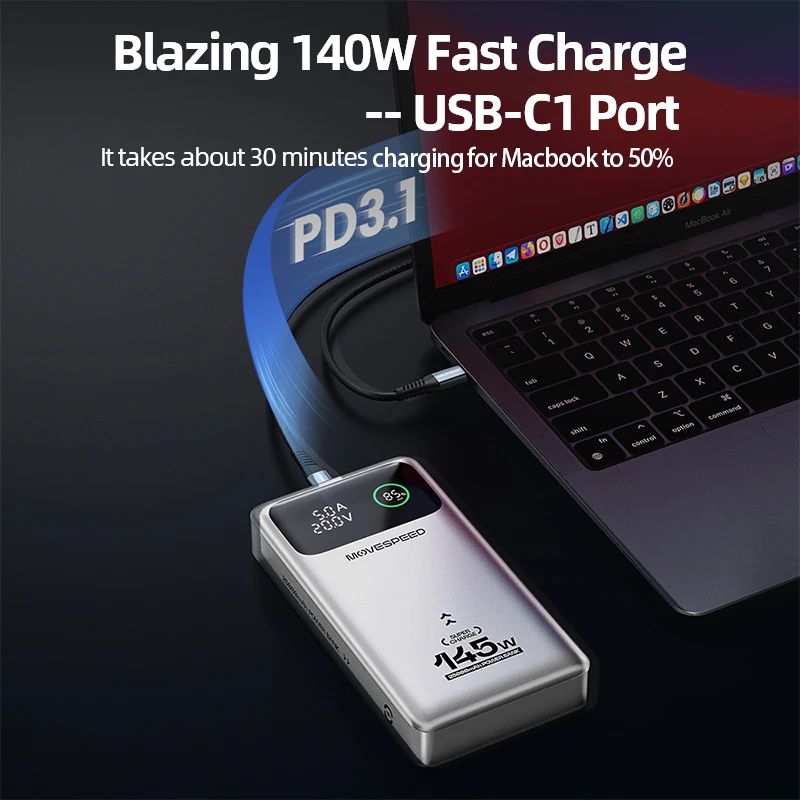
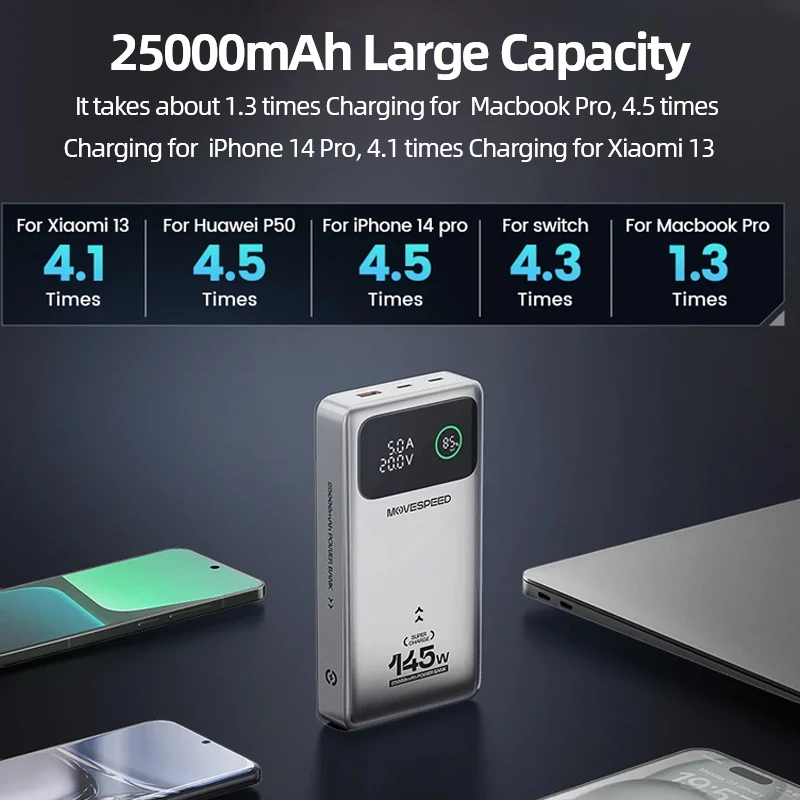
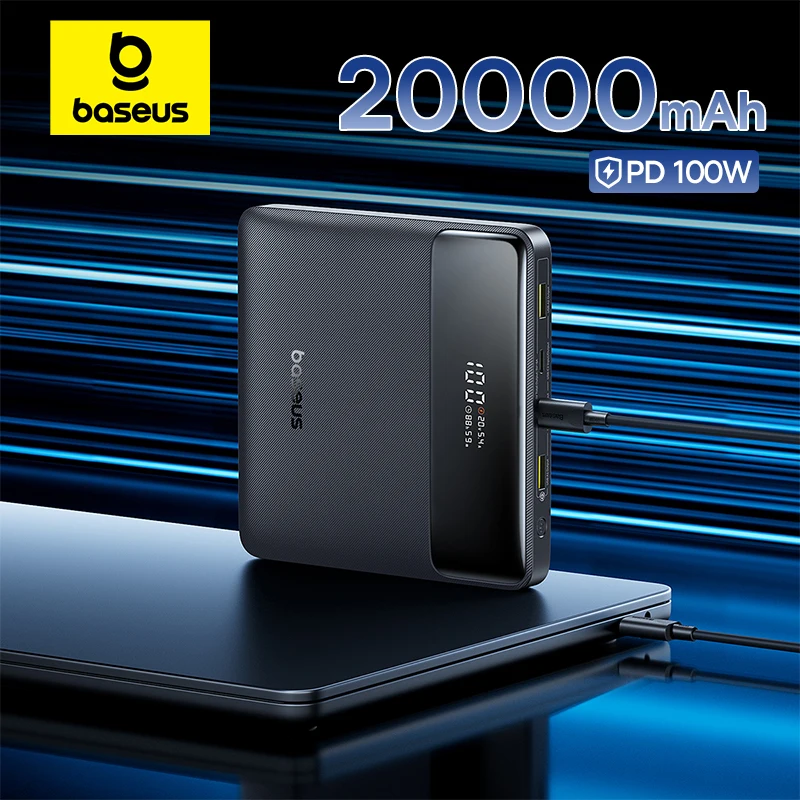
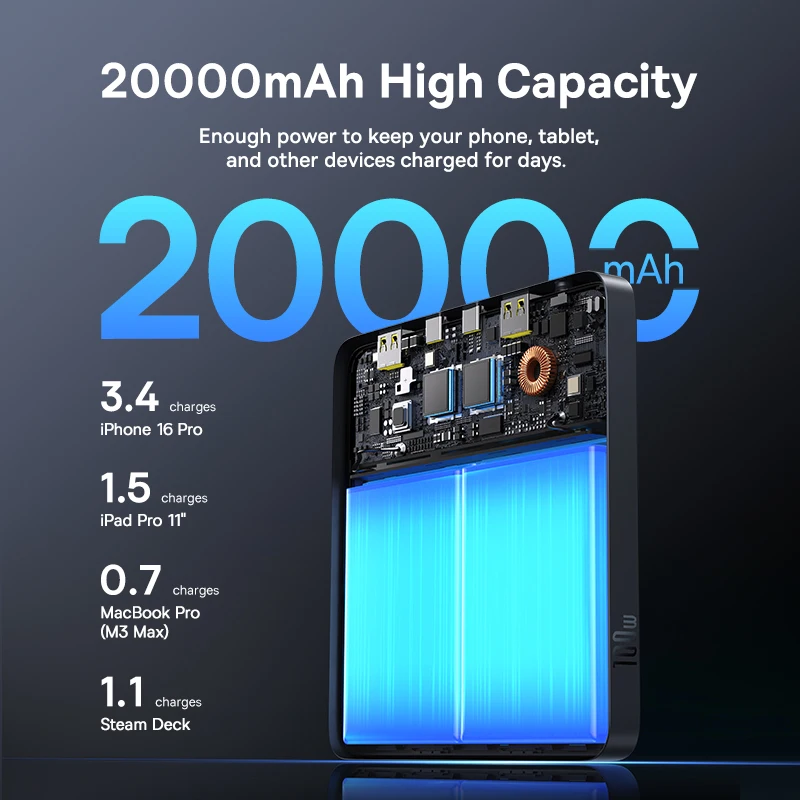
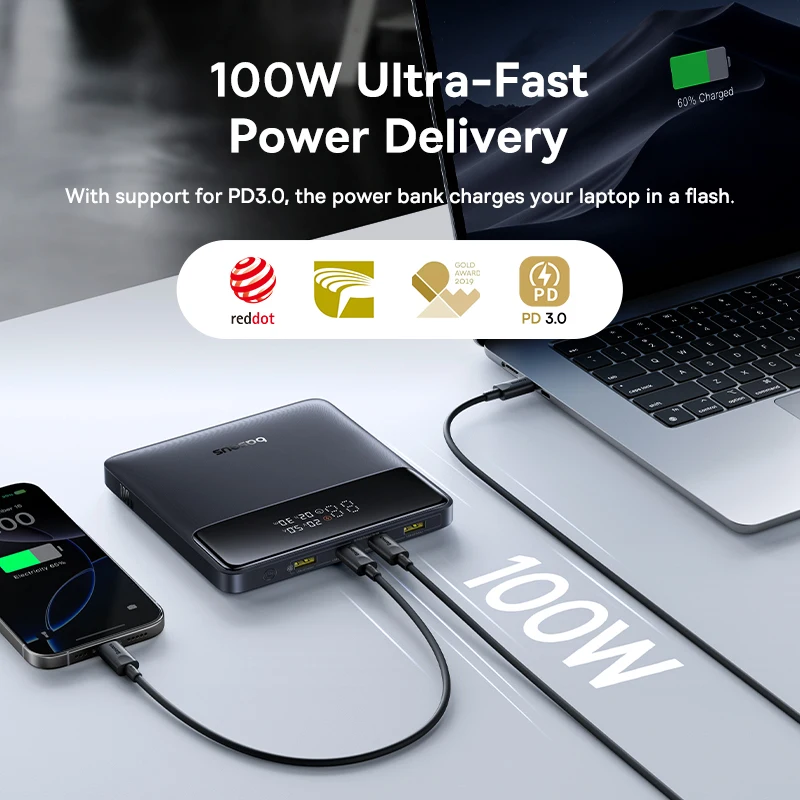
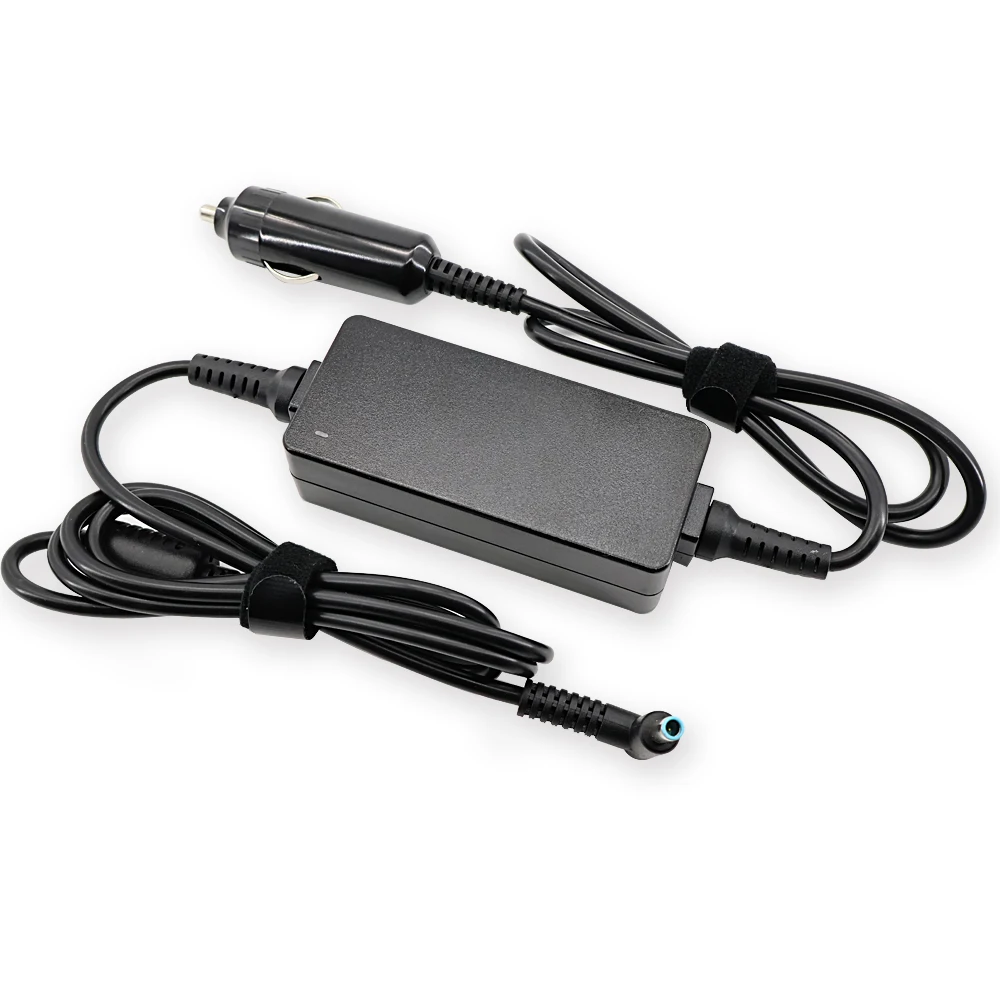
Power for the laptop, at home and away
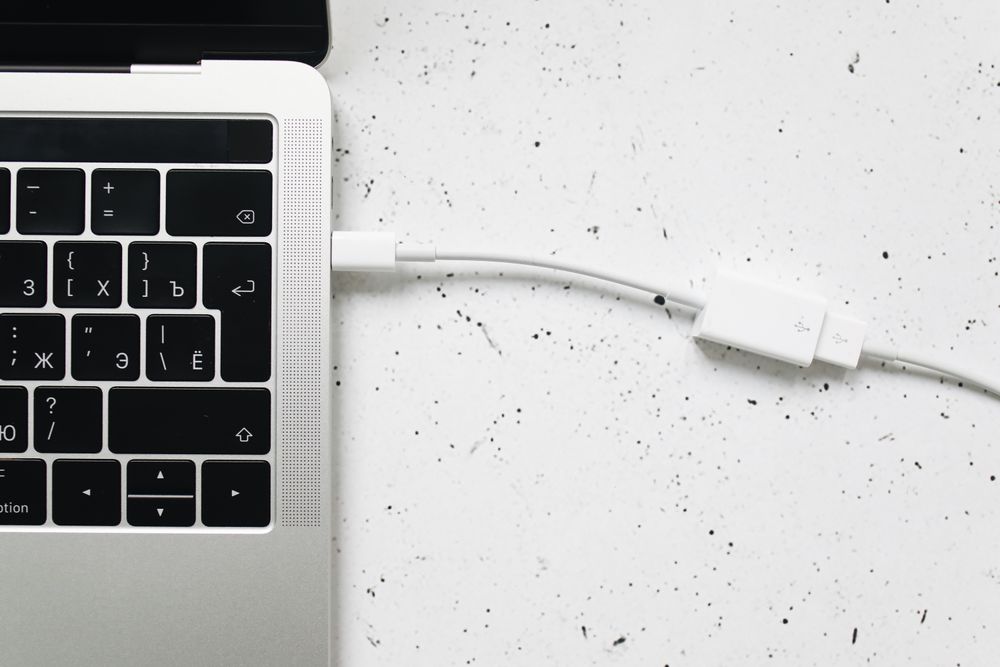
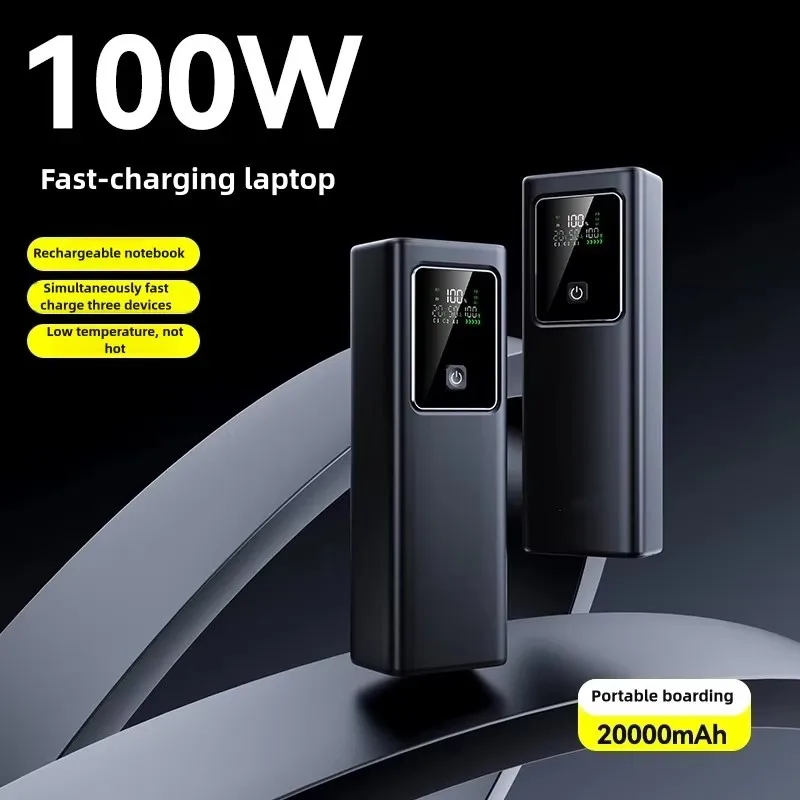
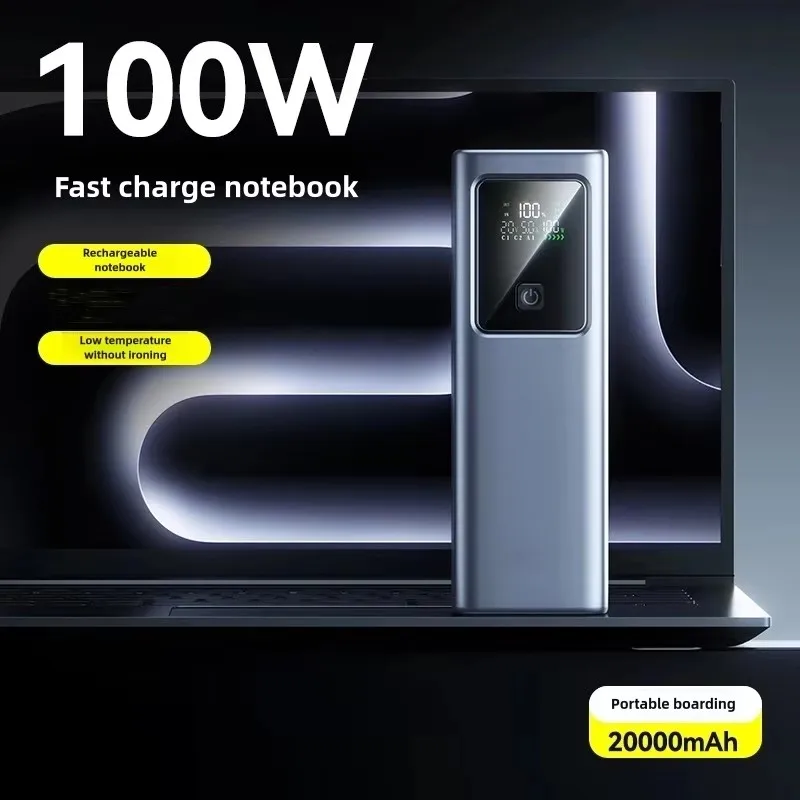
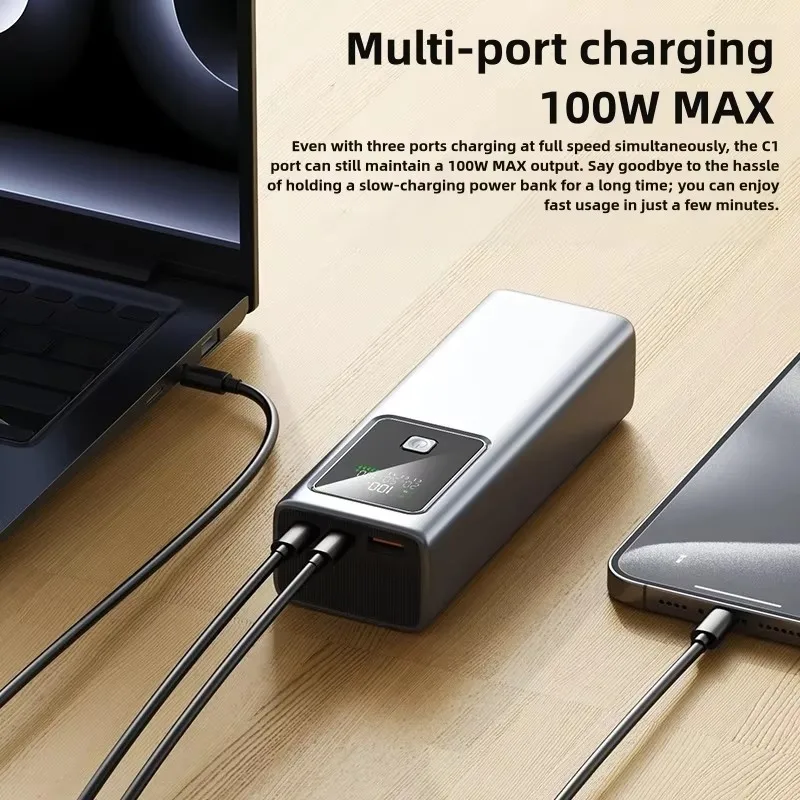
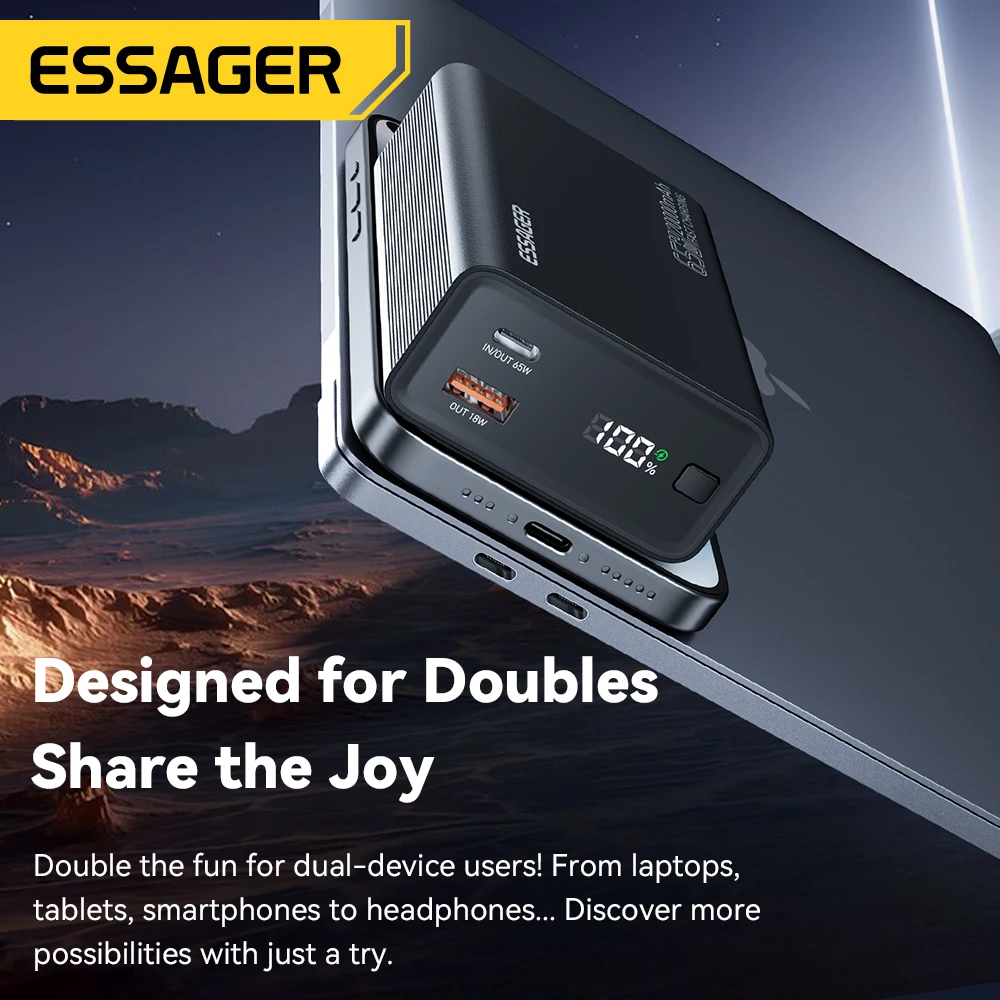
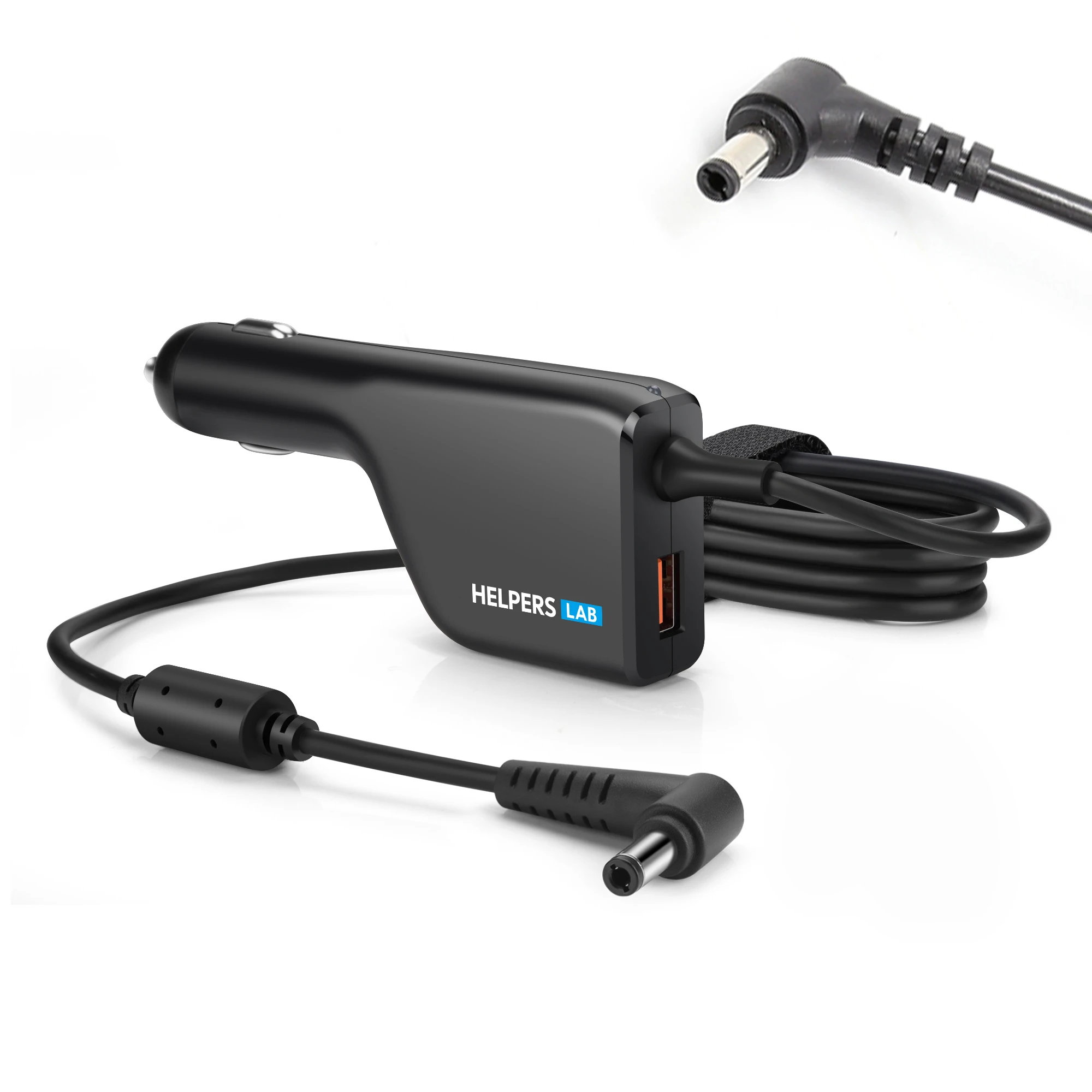
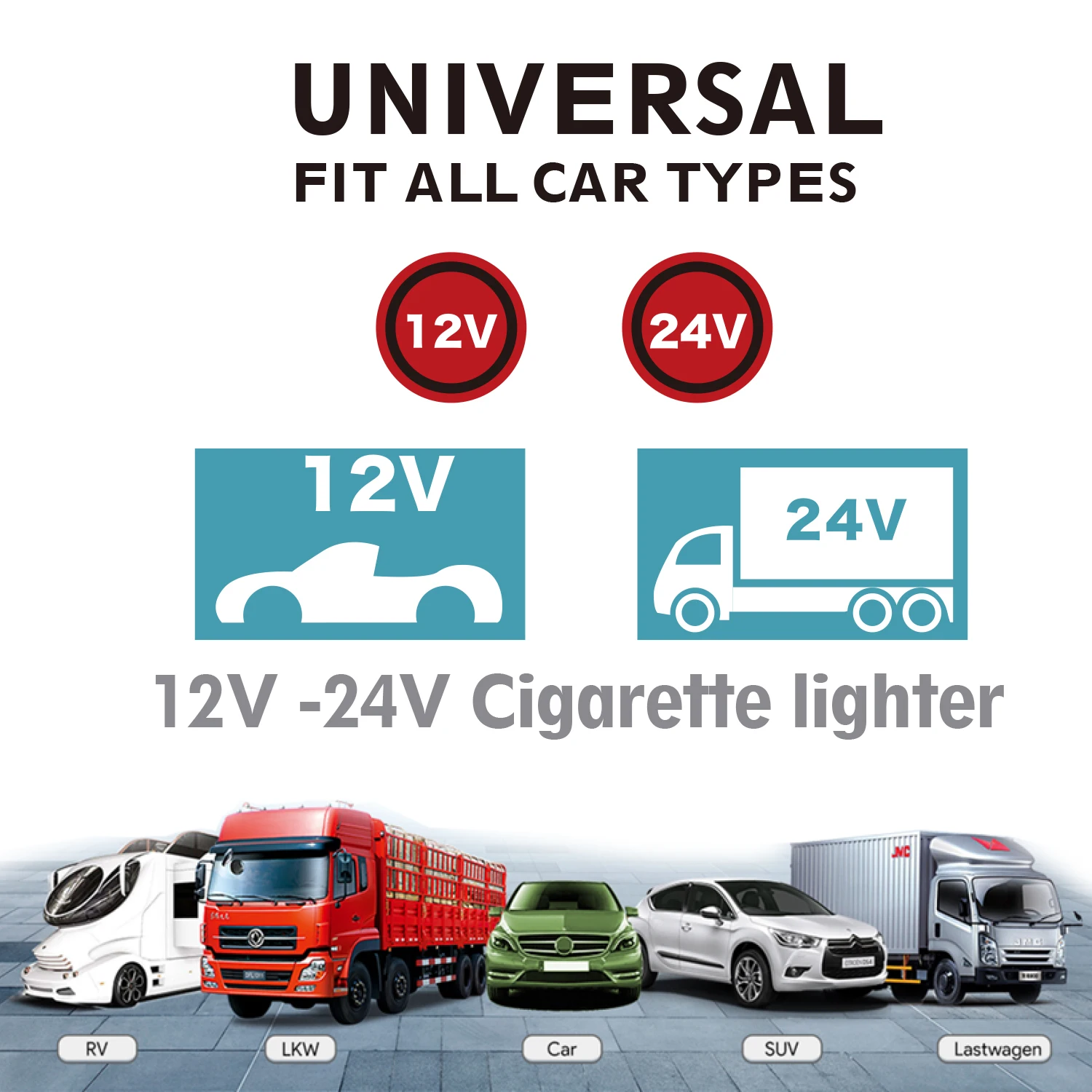
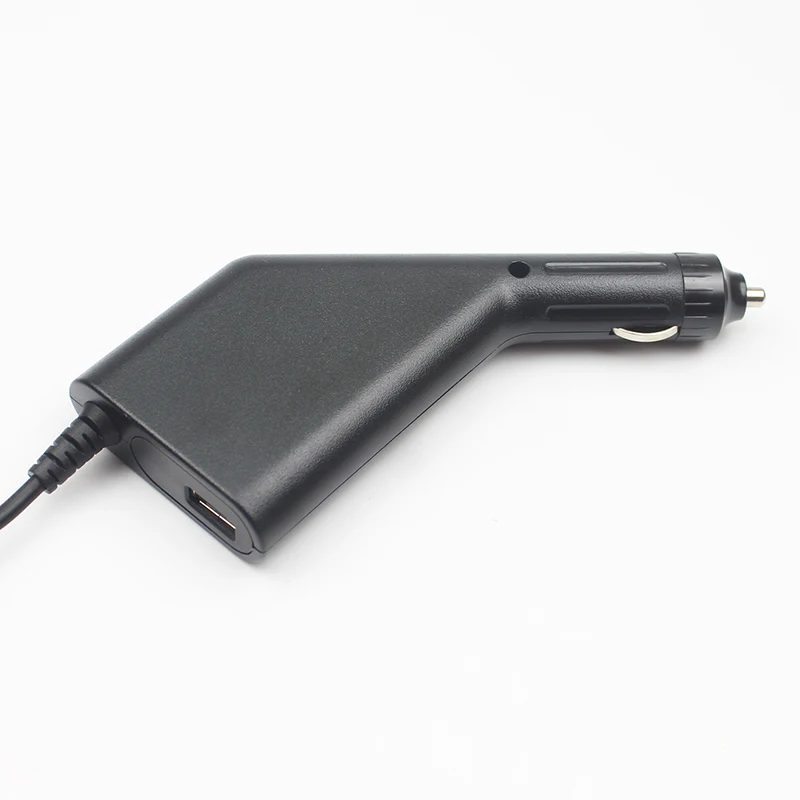
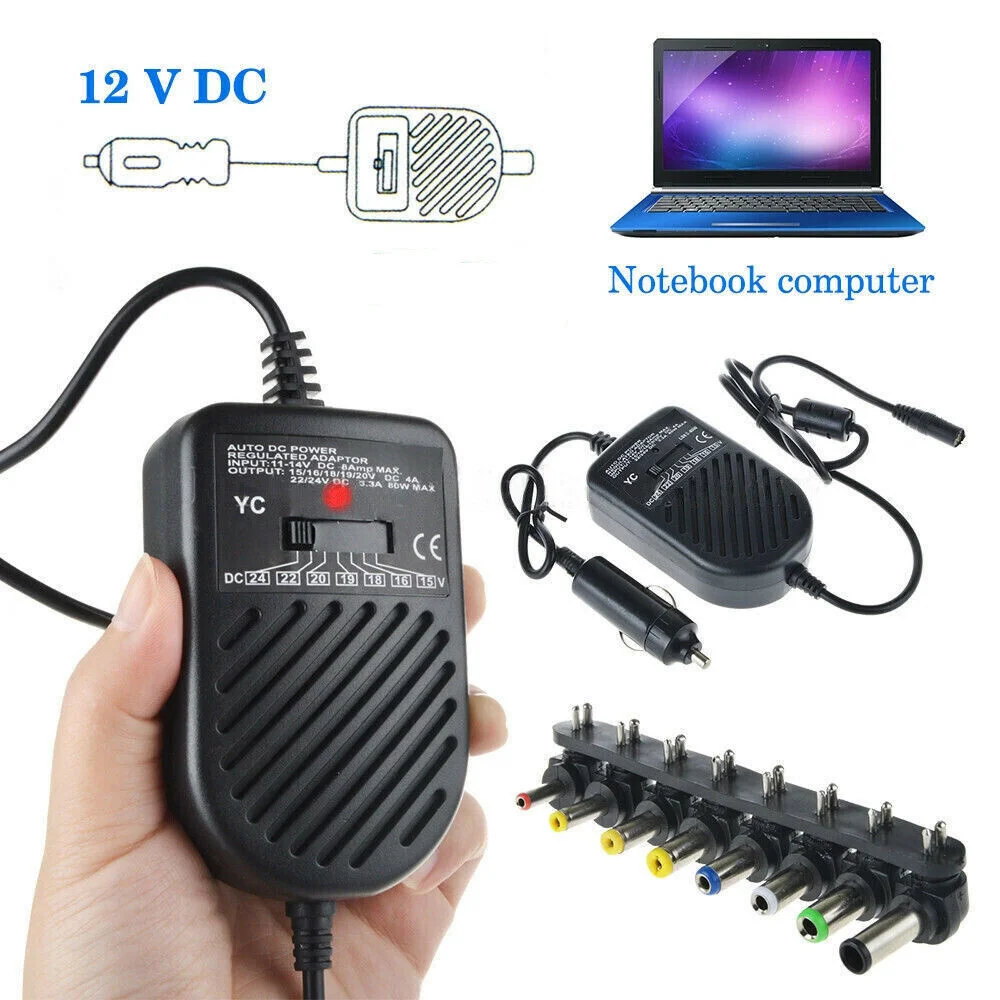
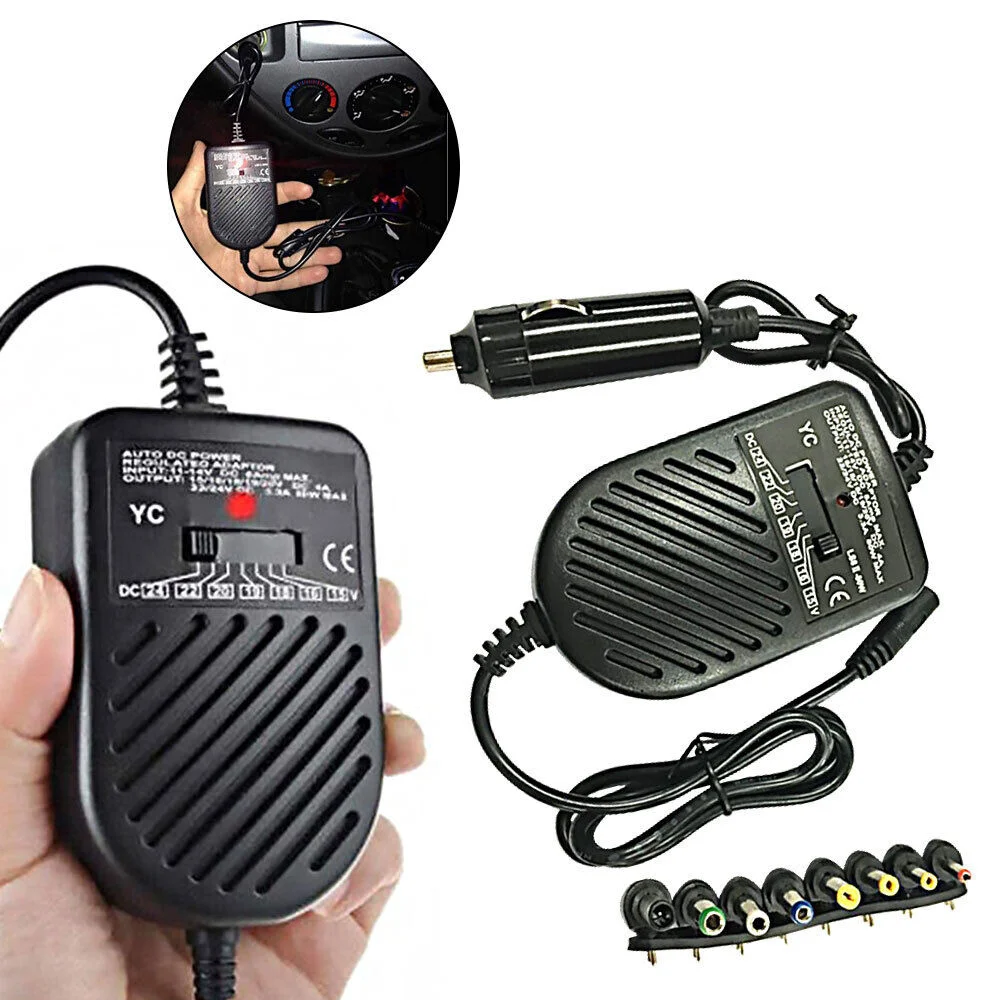
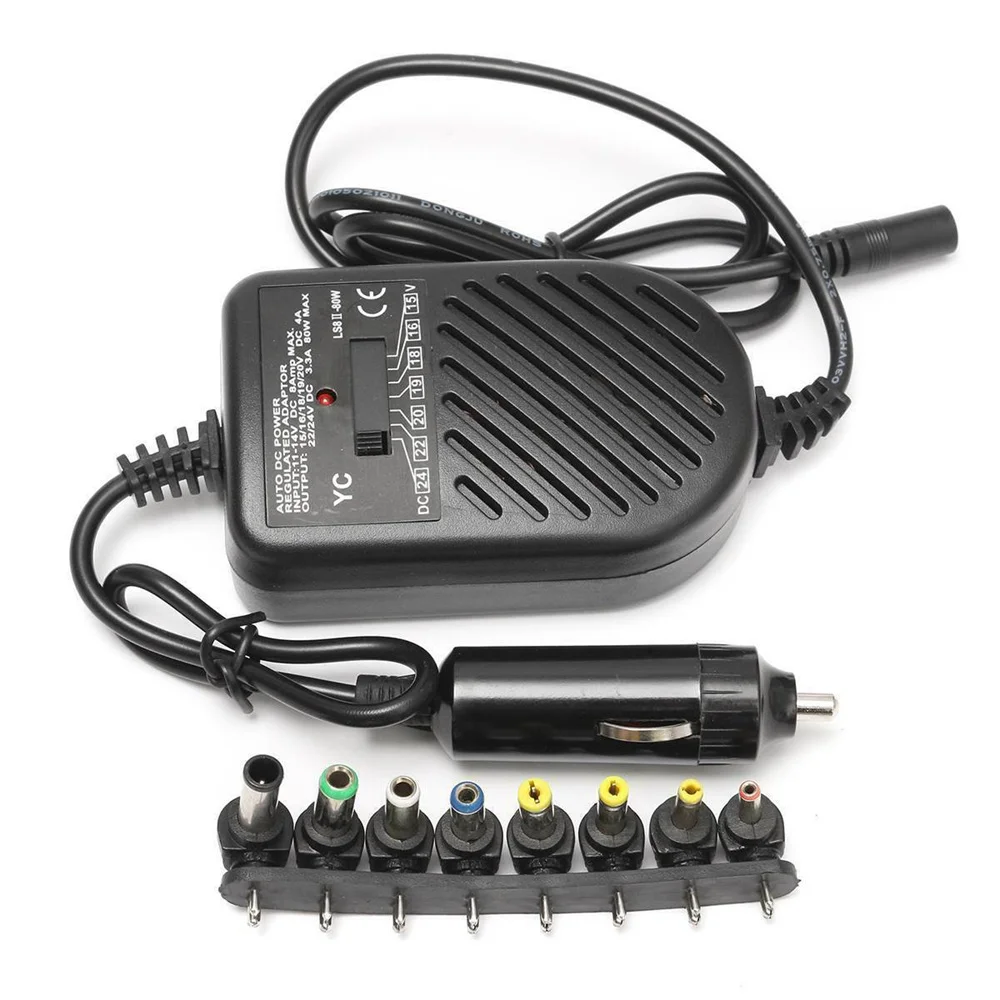
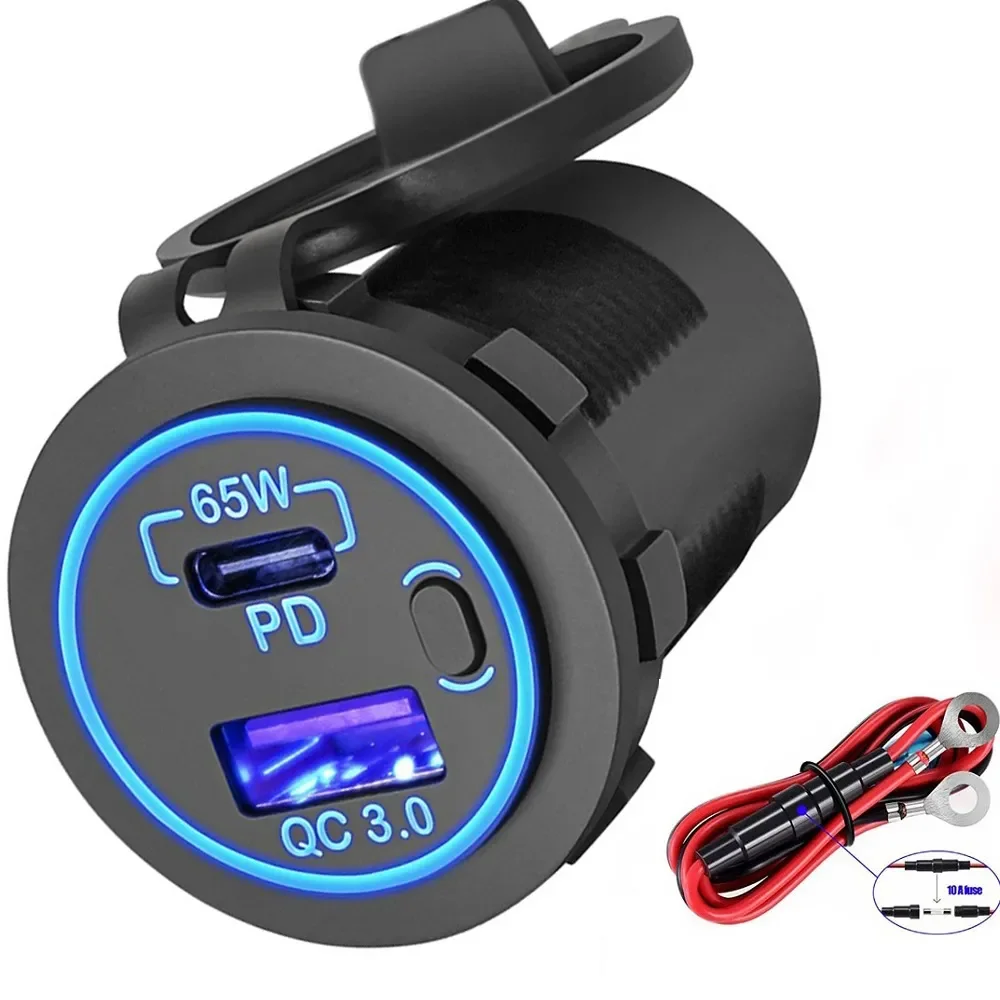
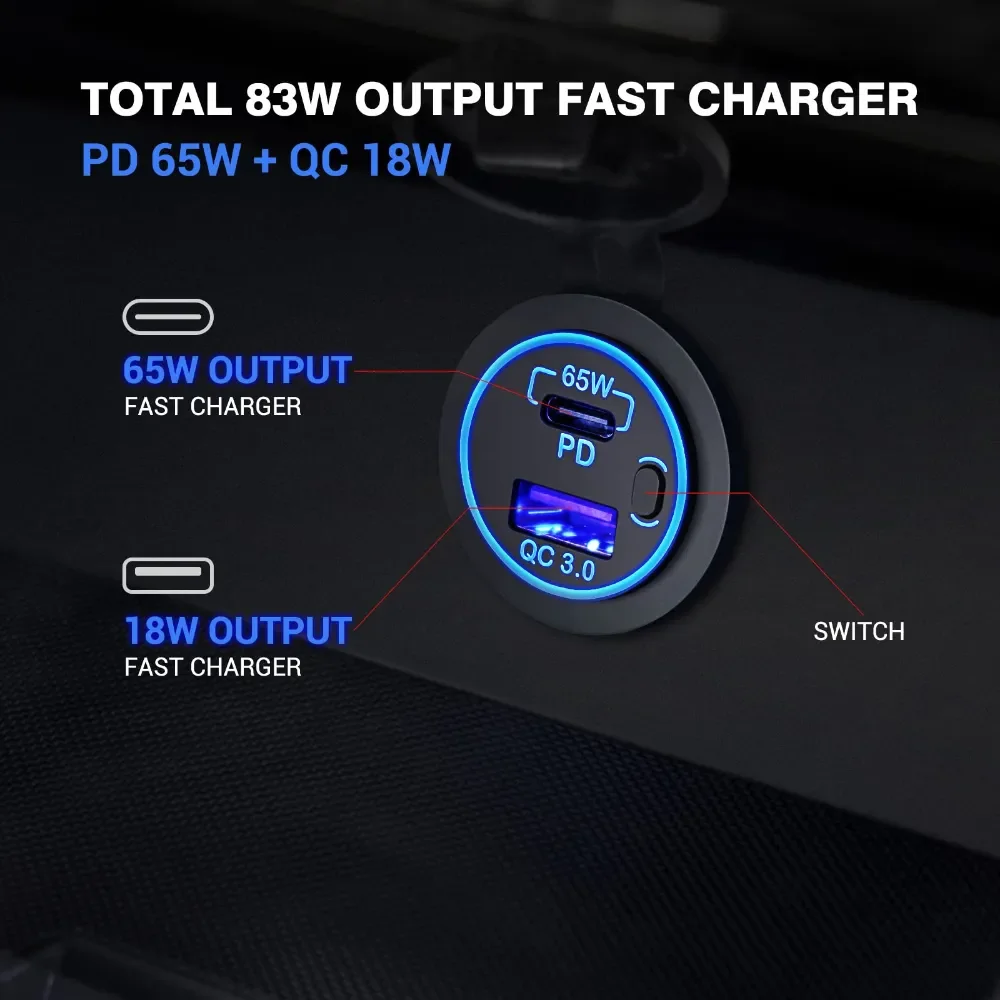
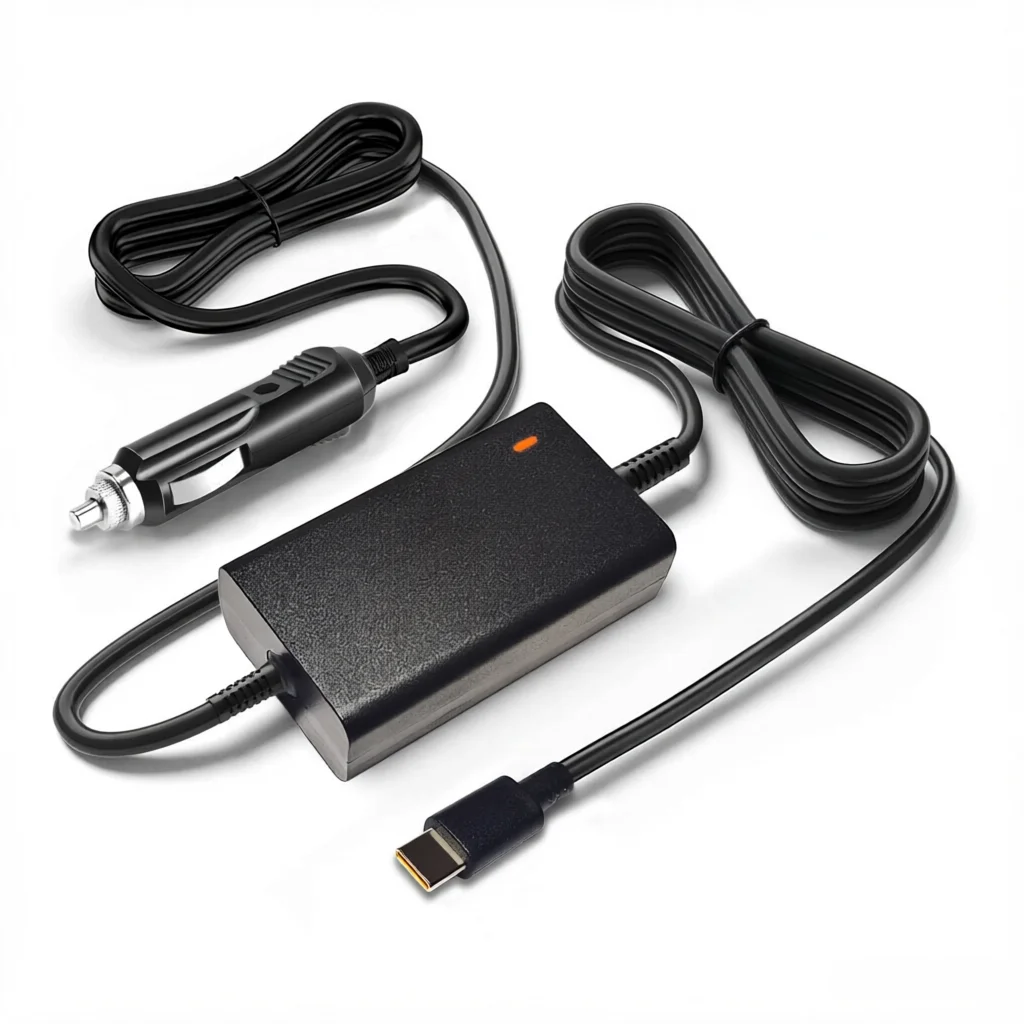
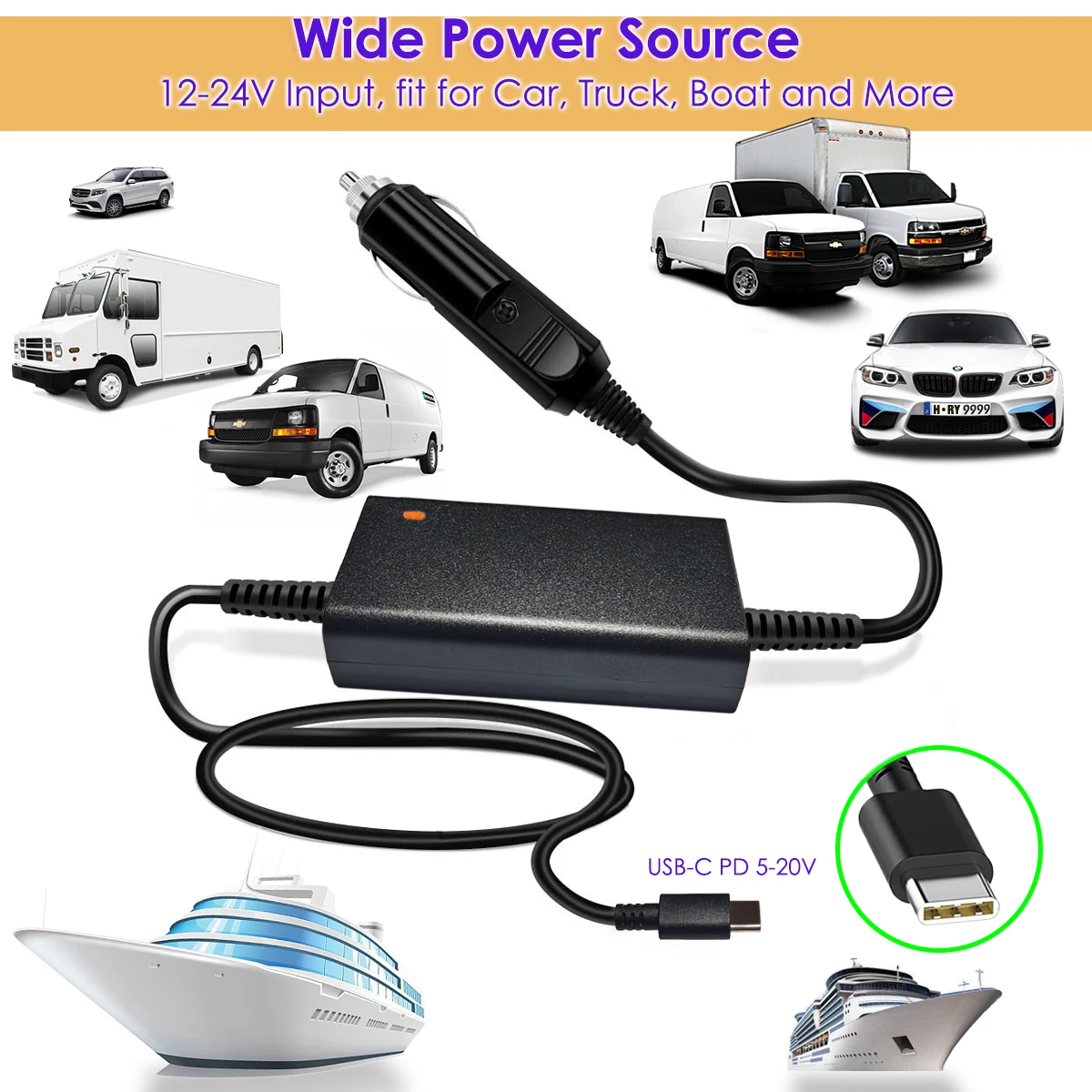
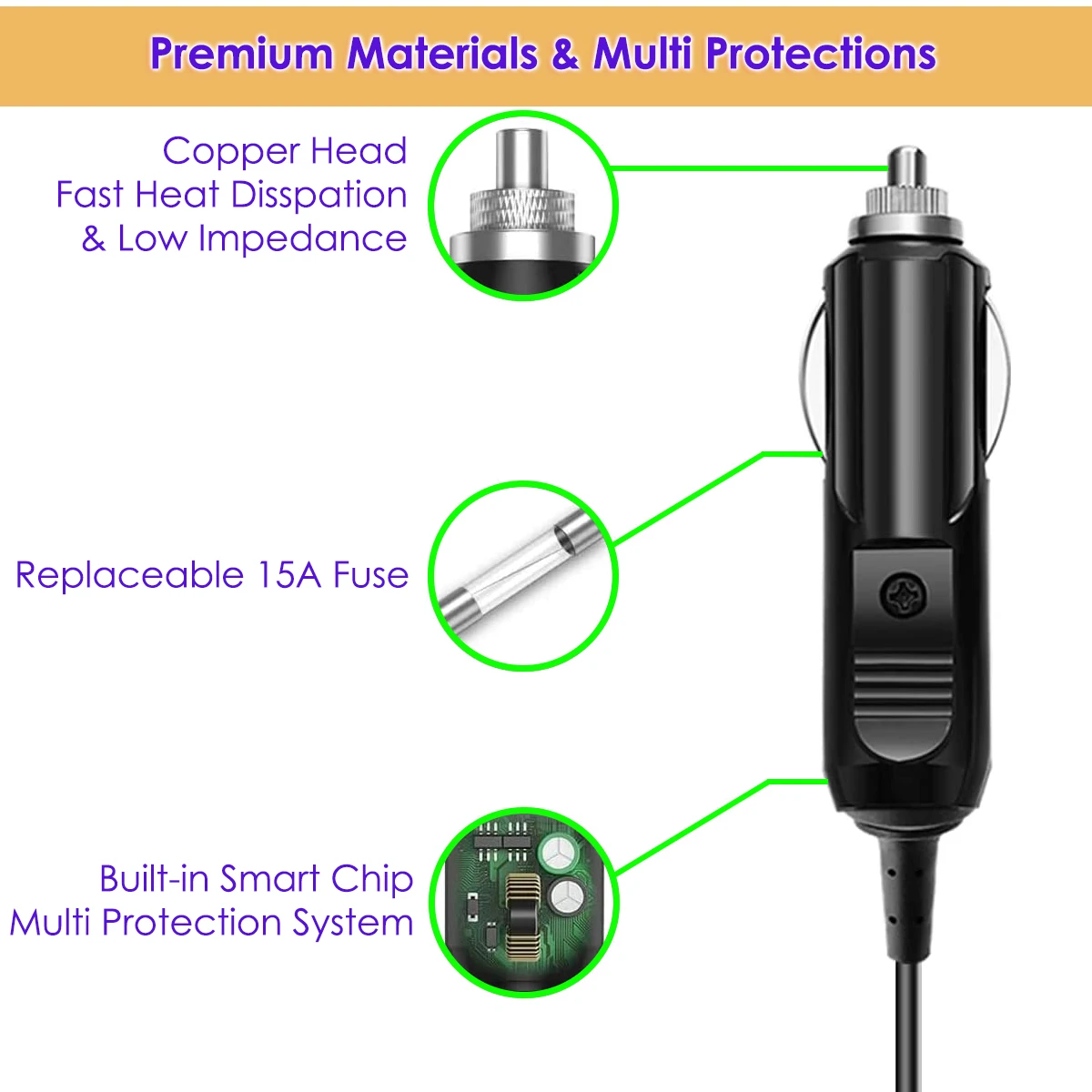
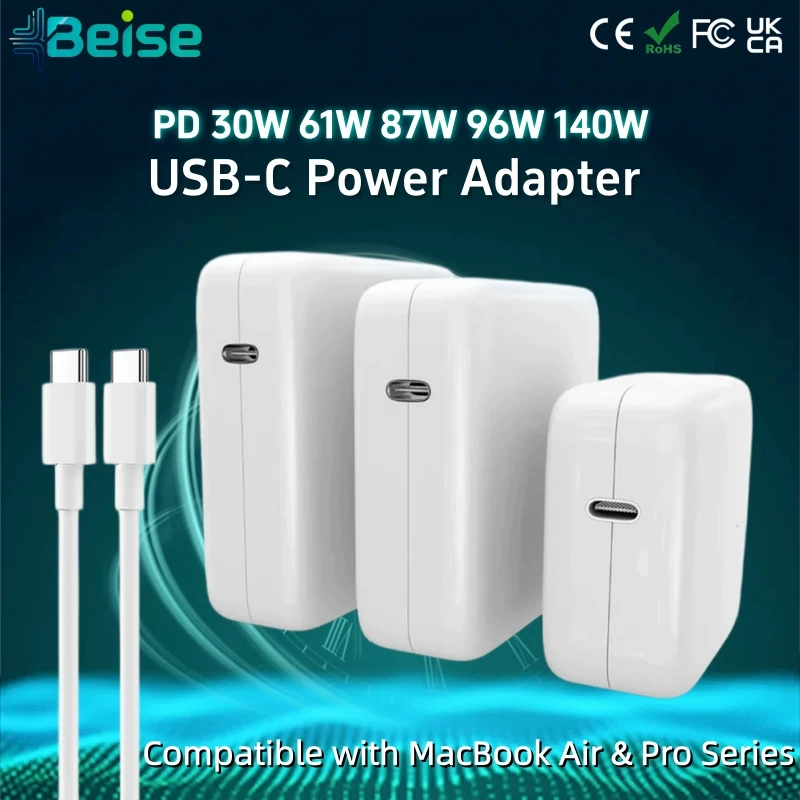
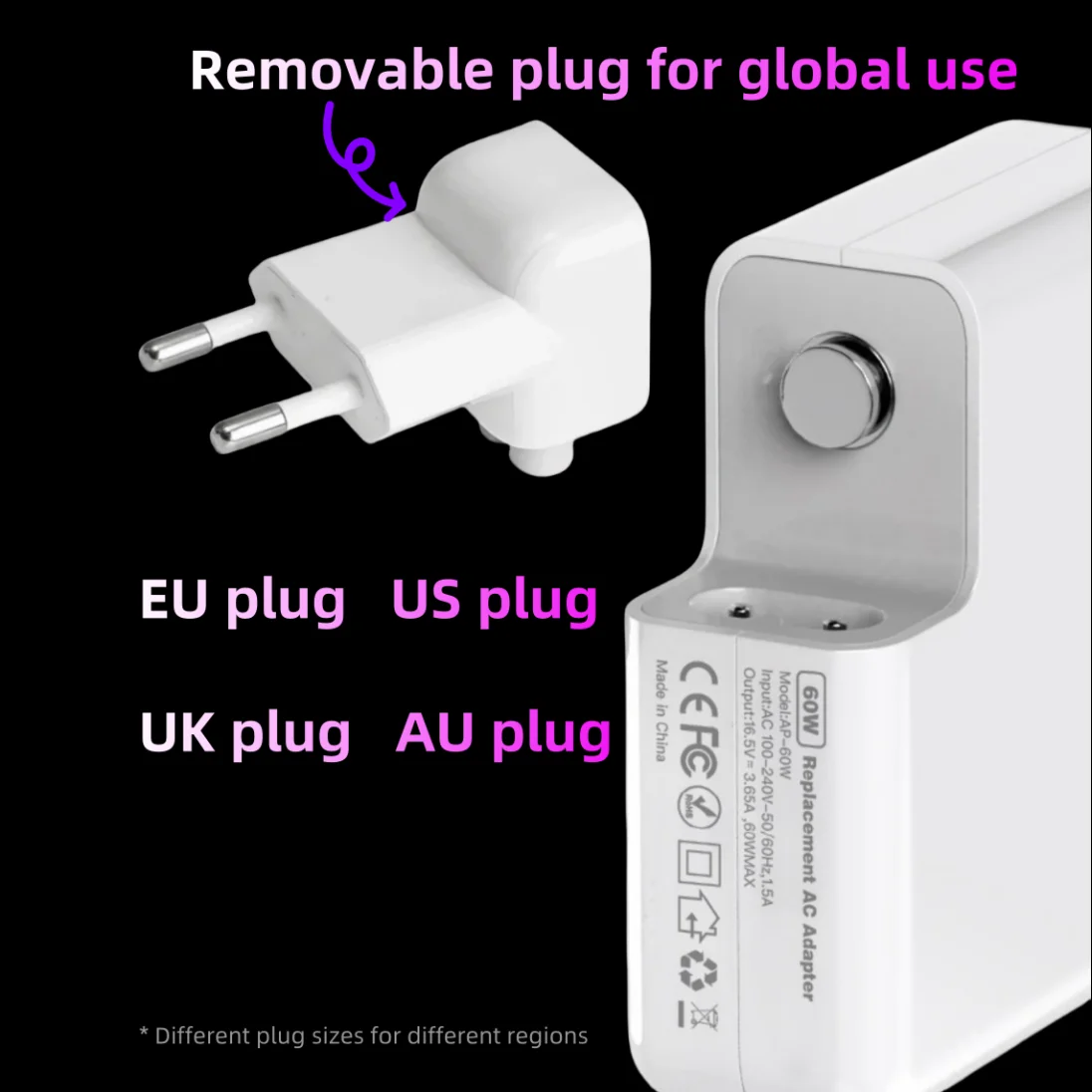
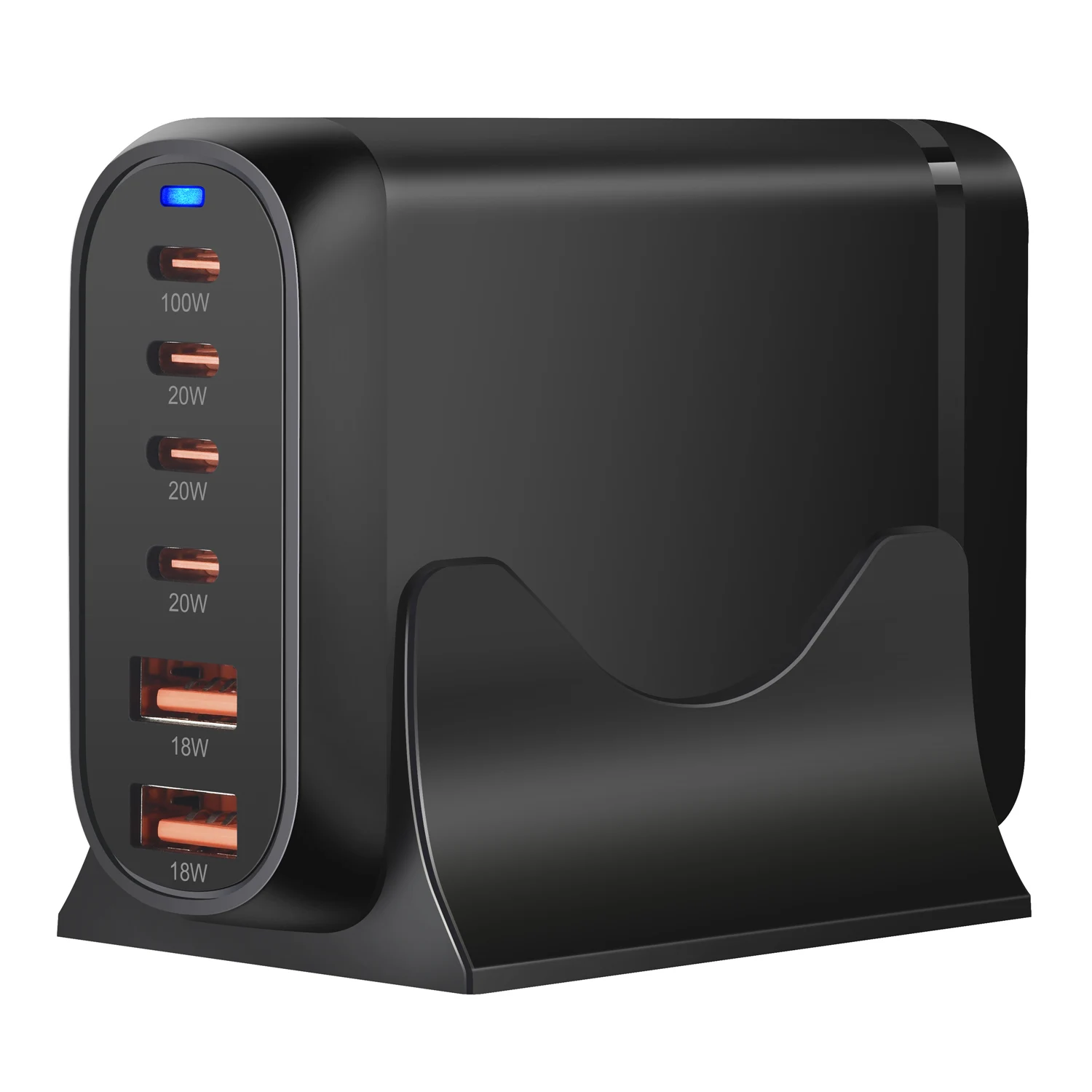
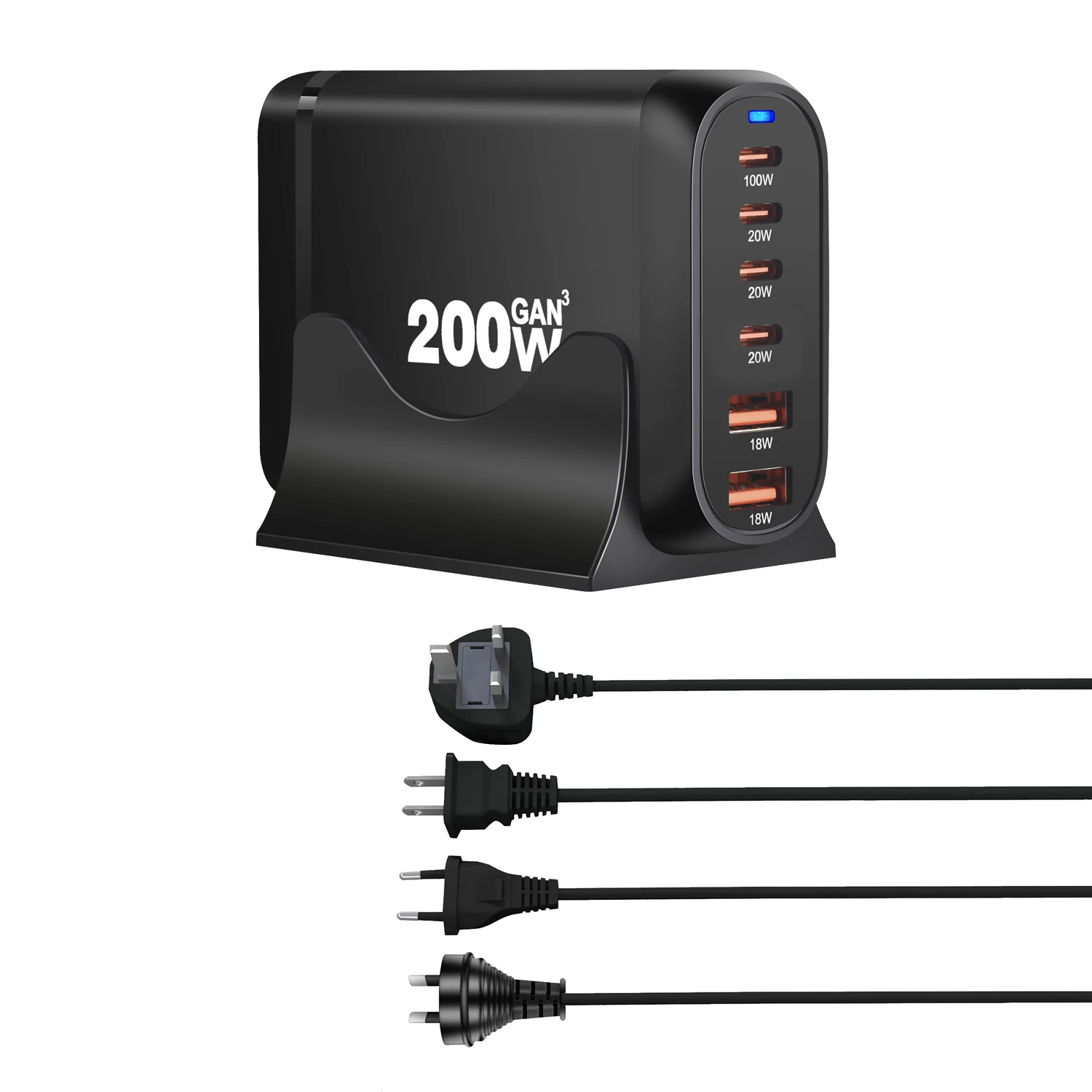
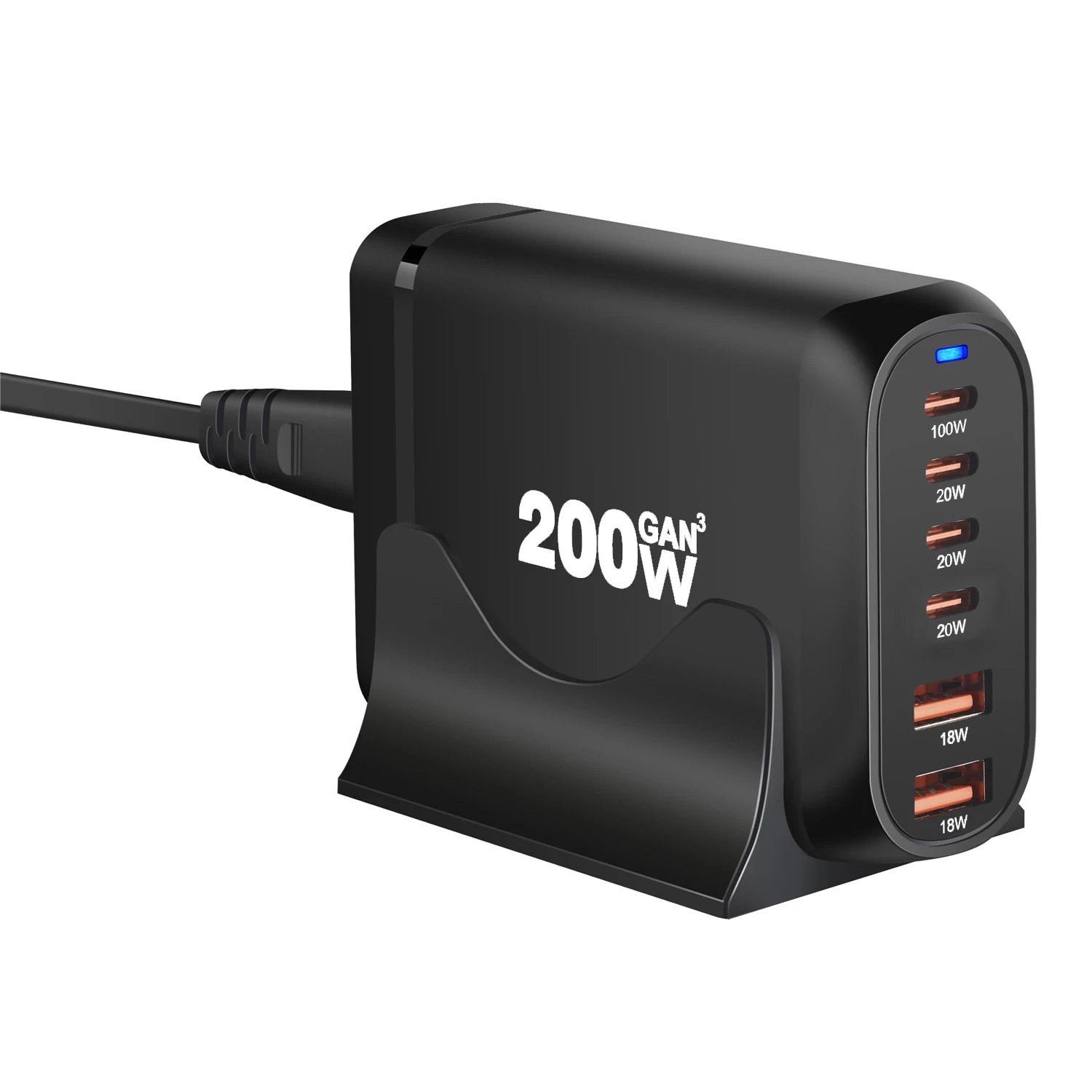
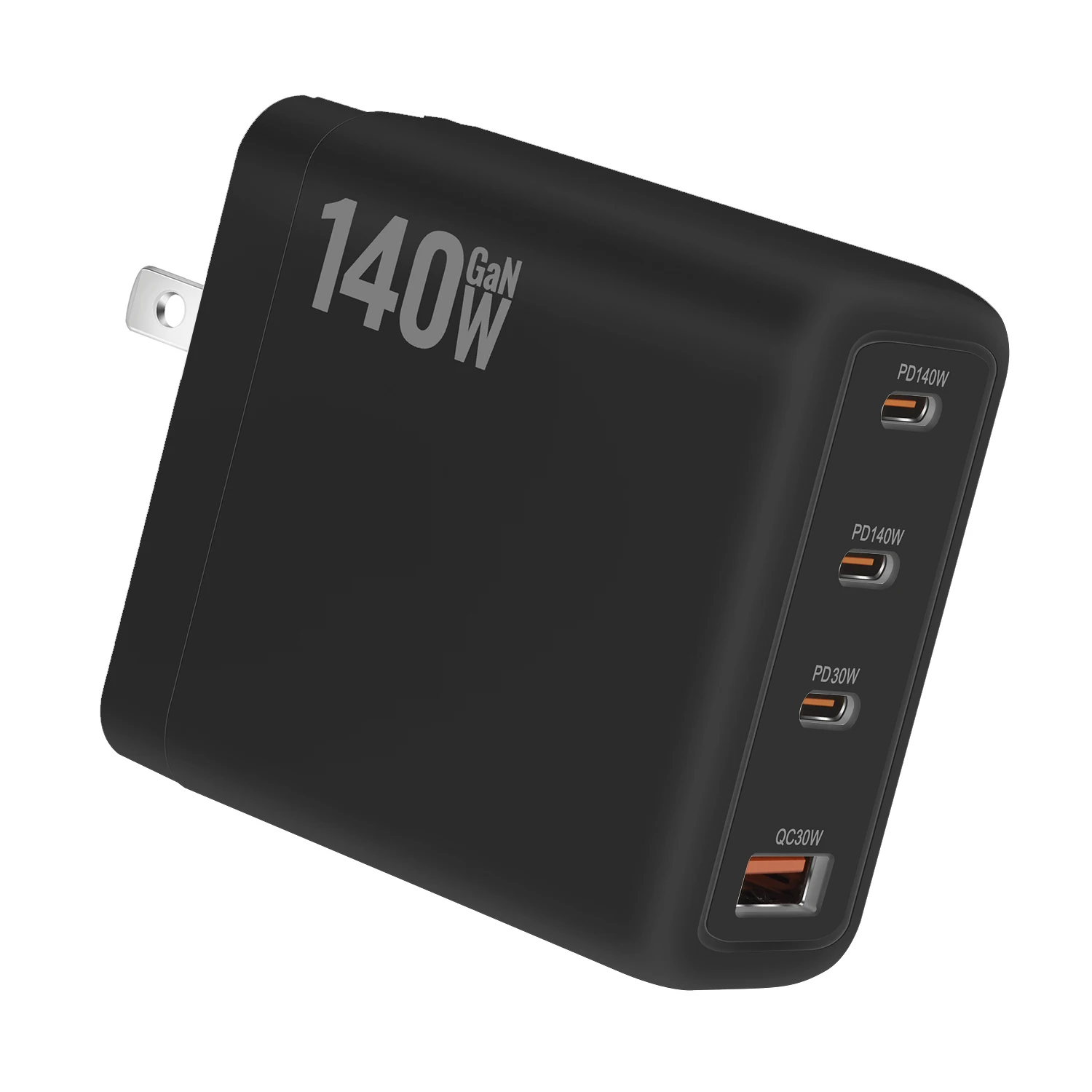
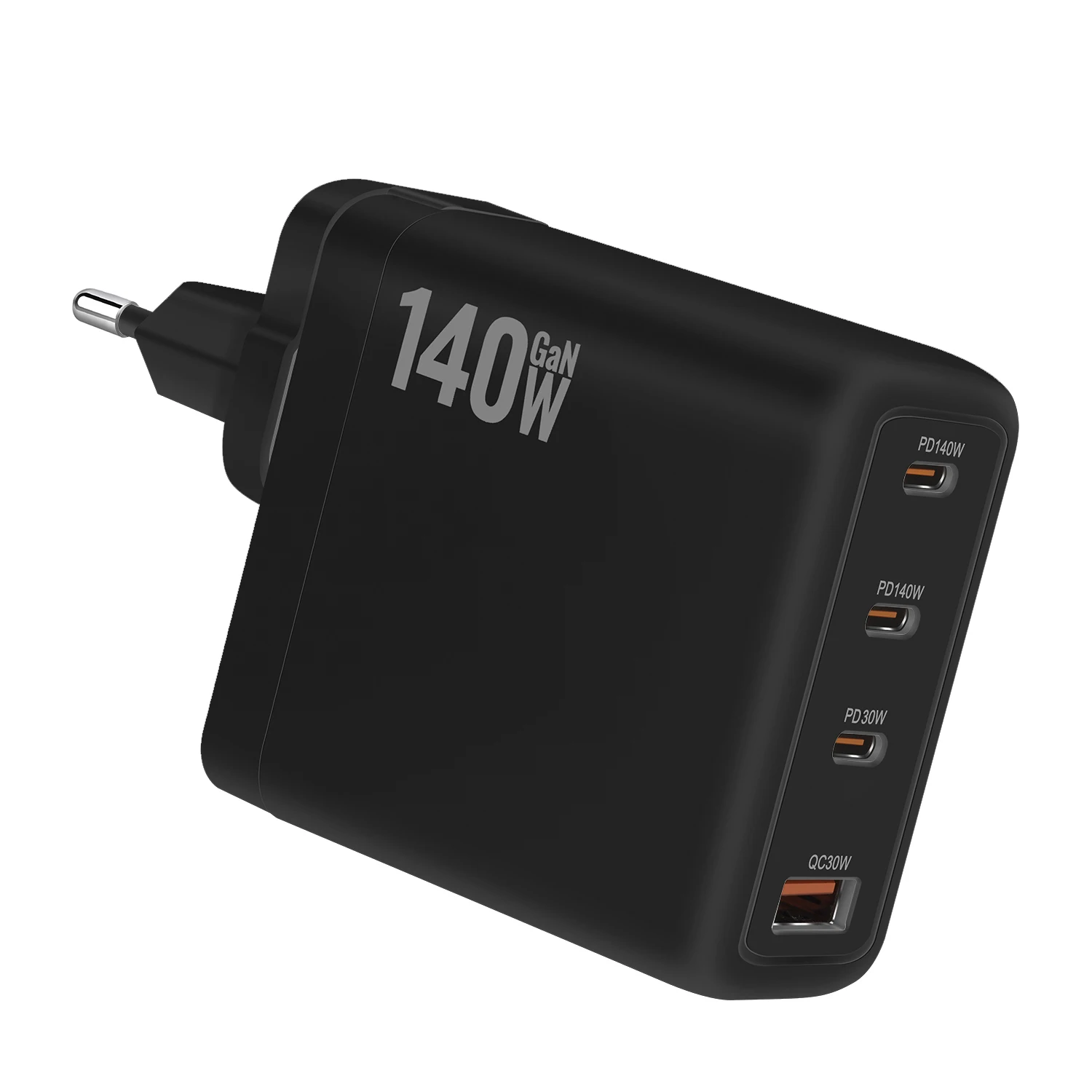
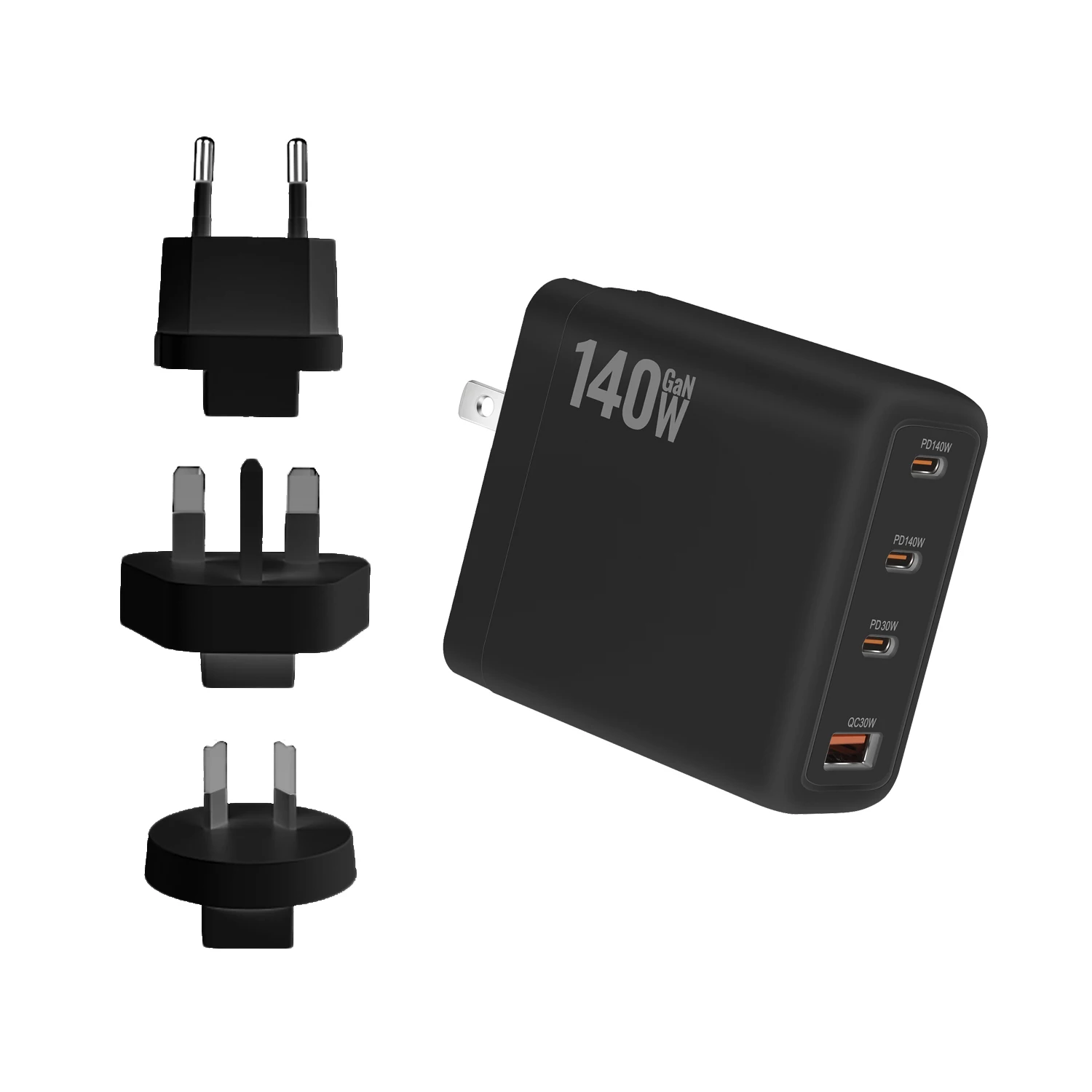
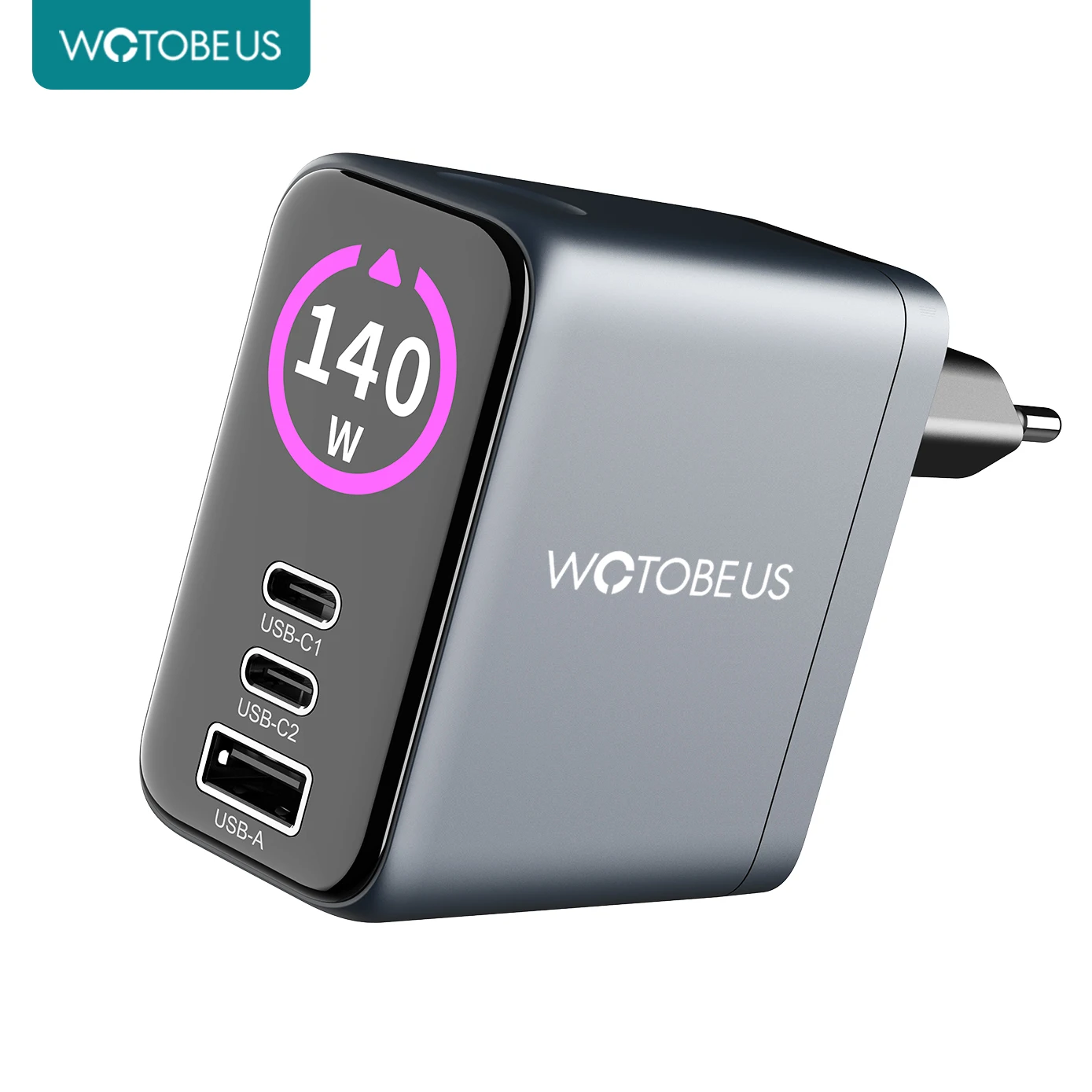
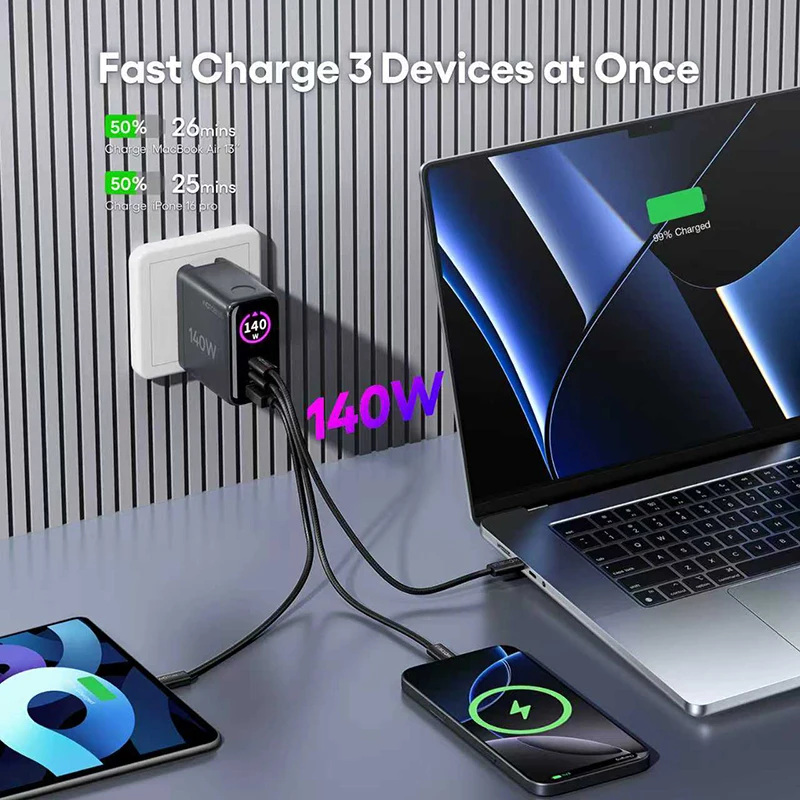
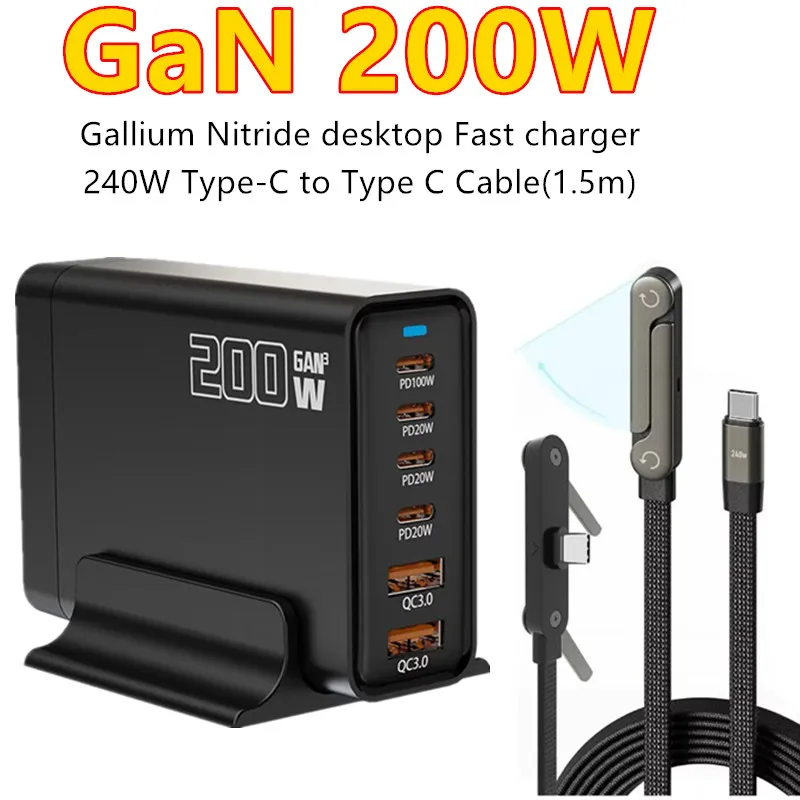
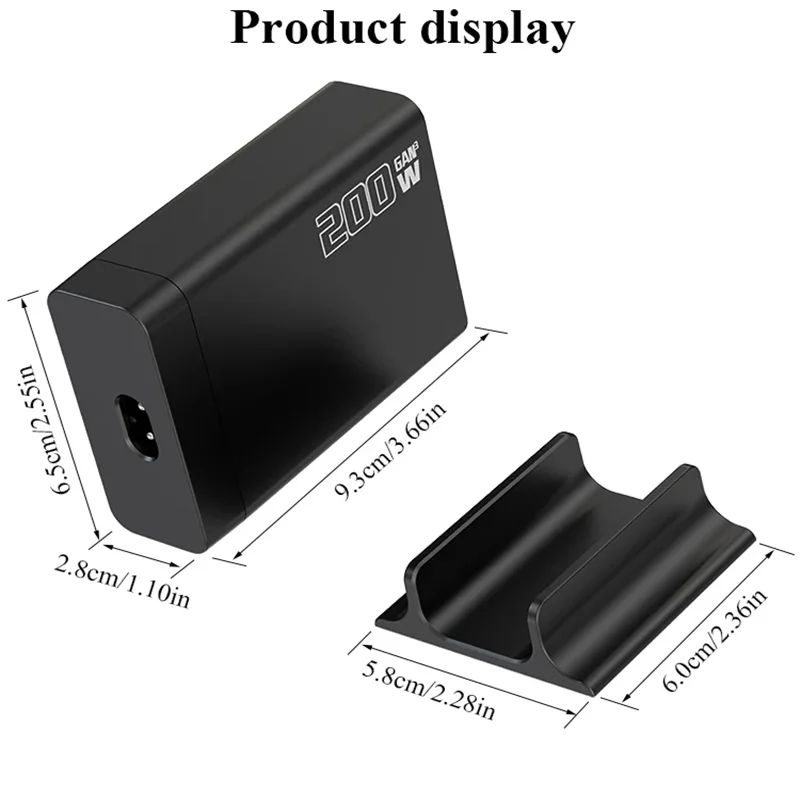
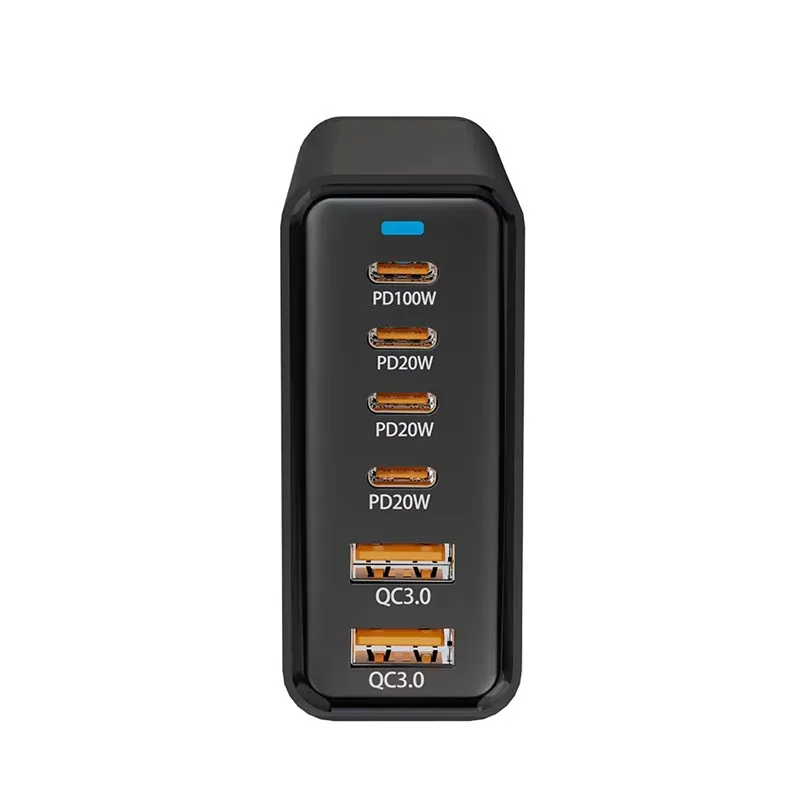
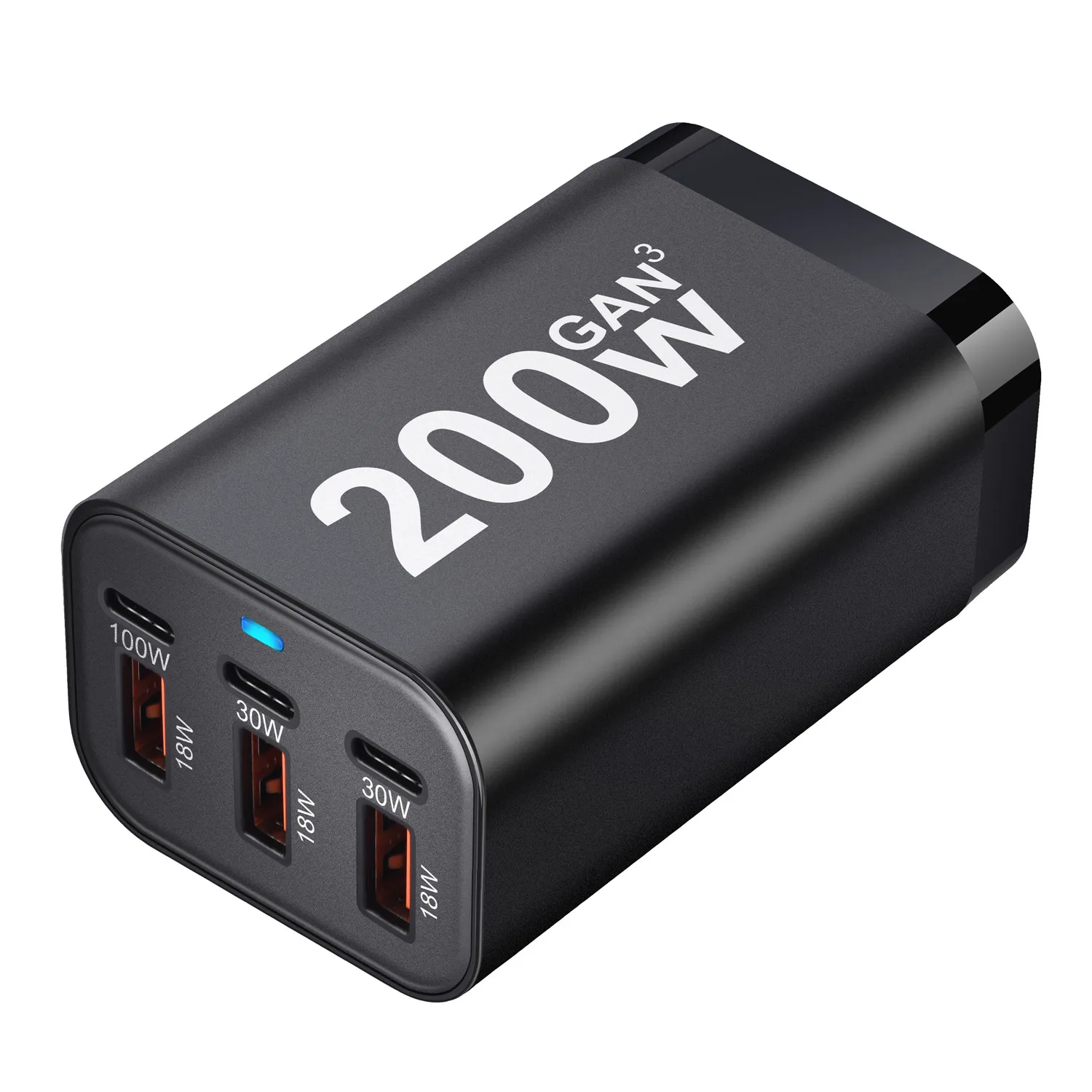
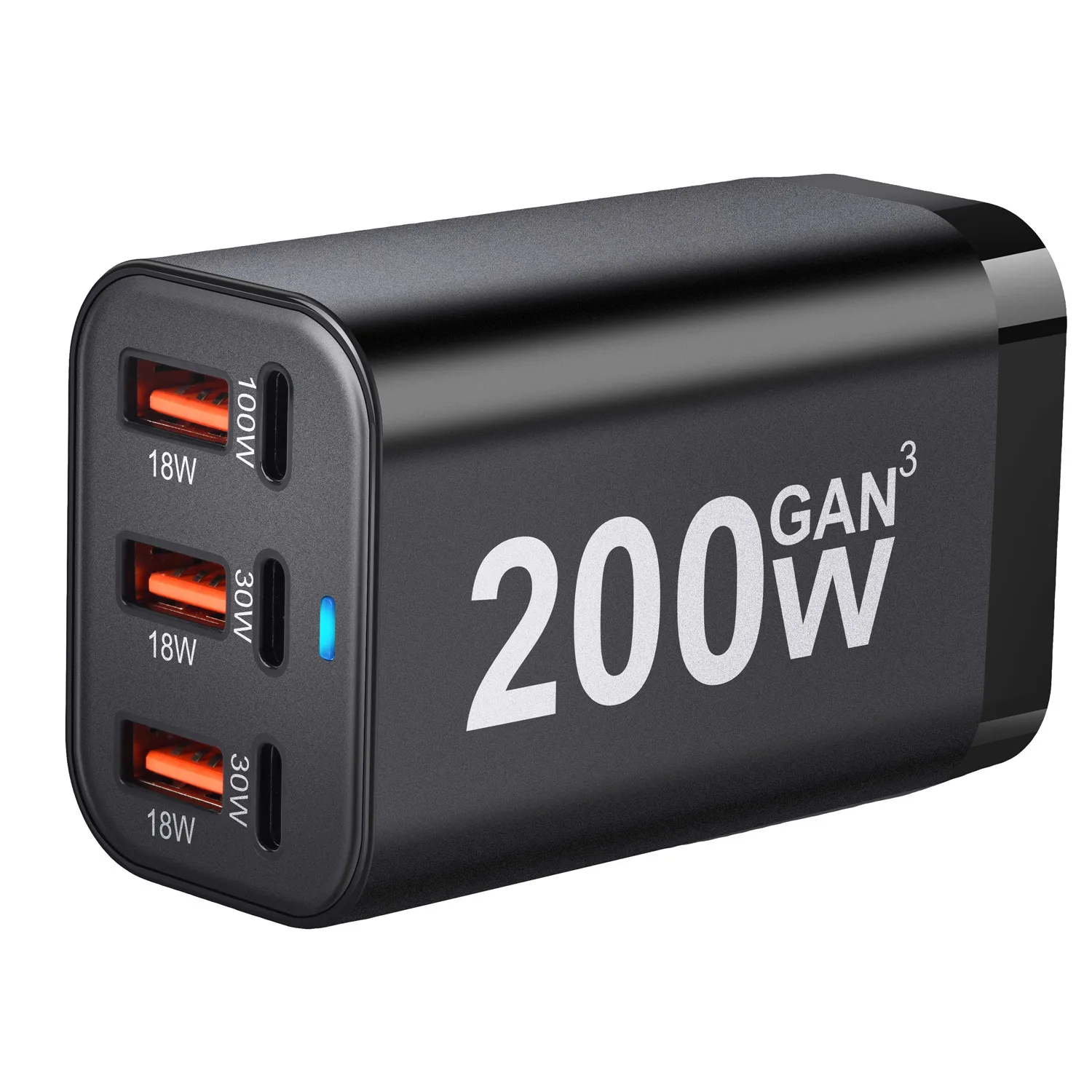
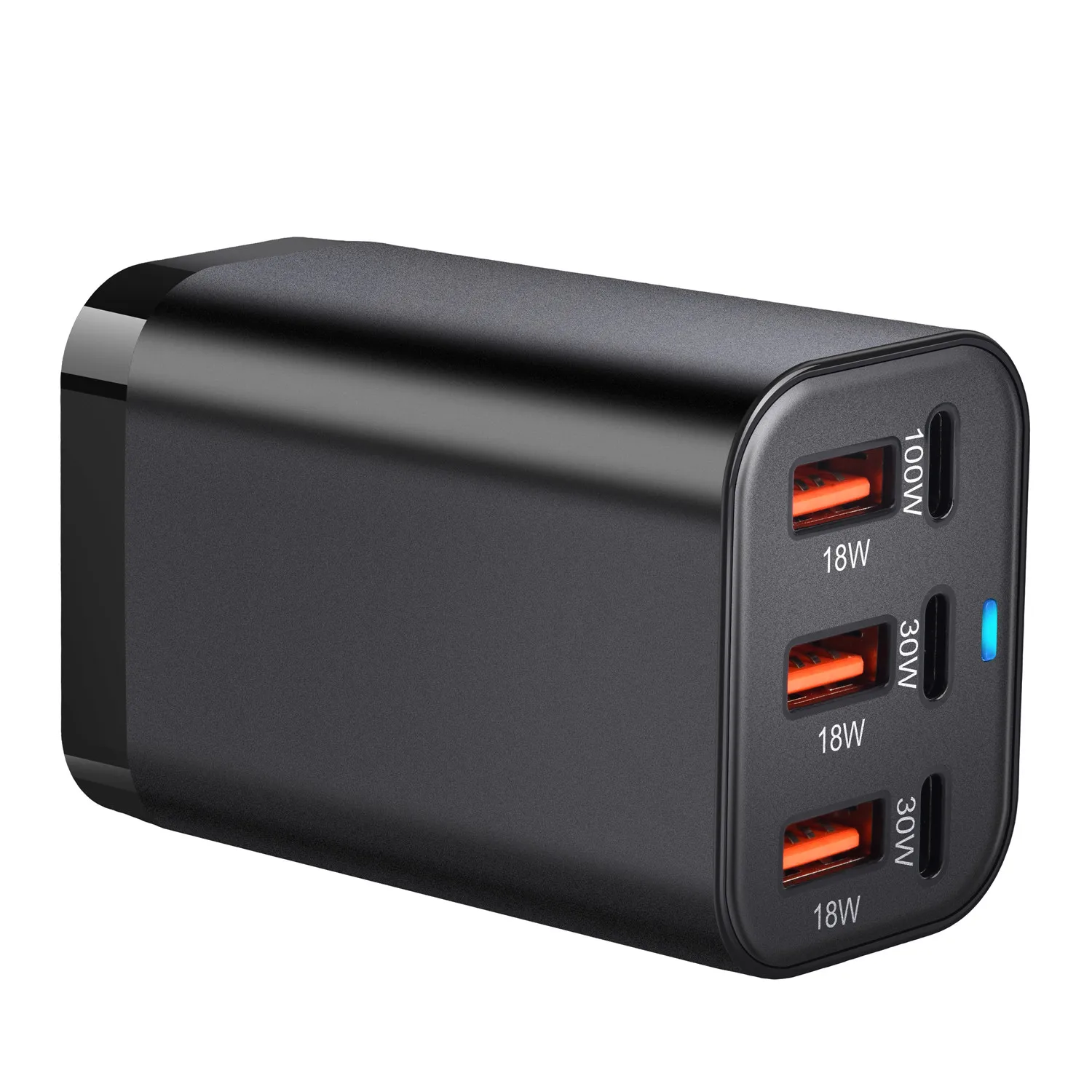
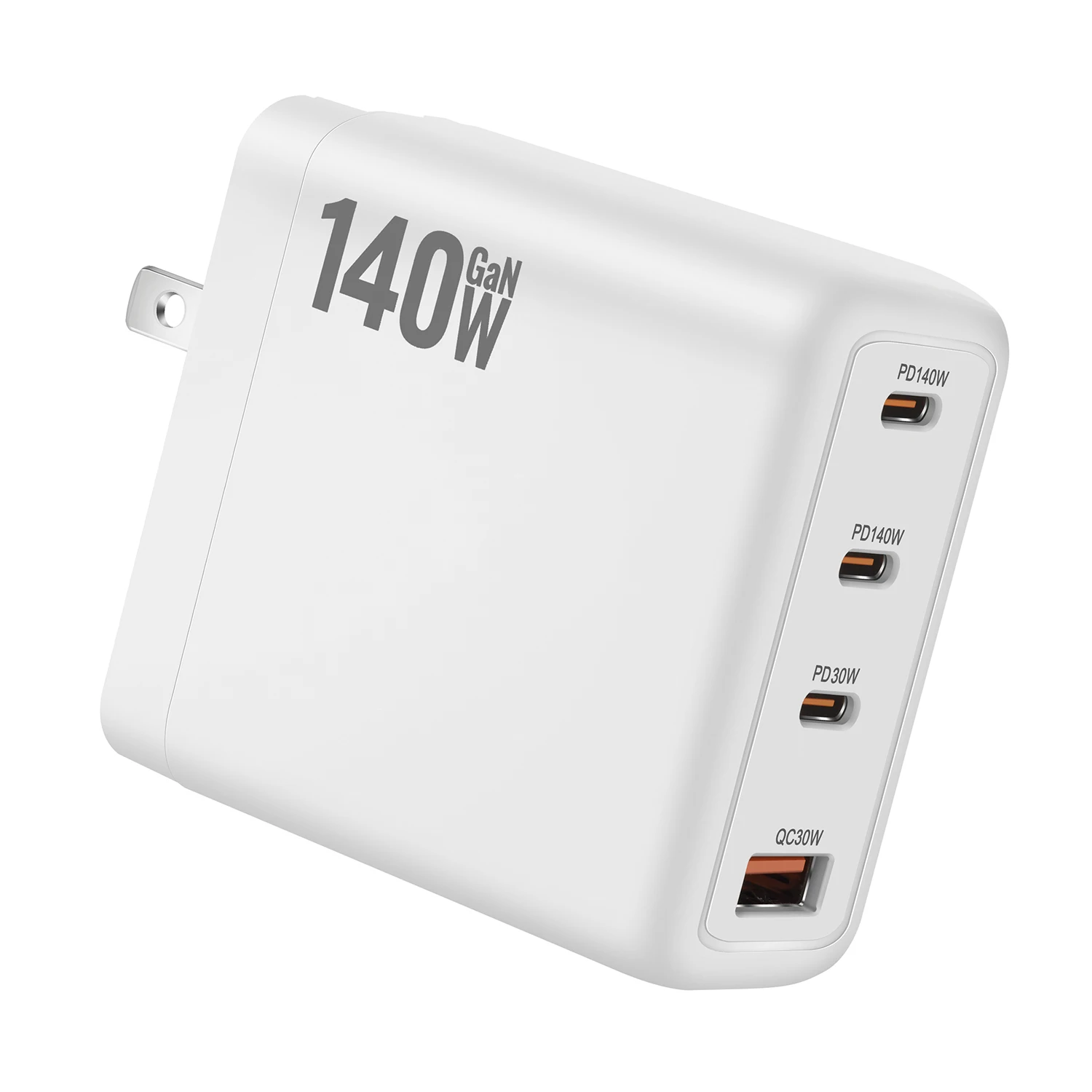
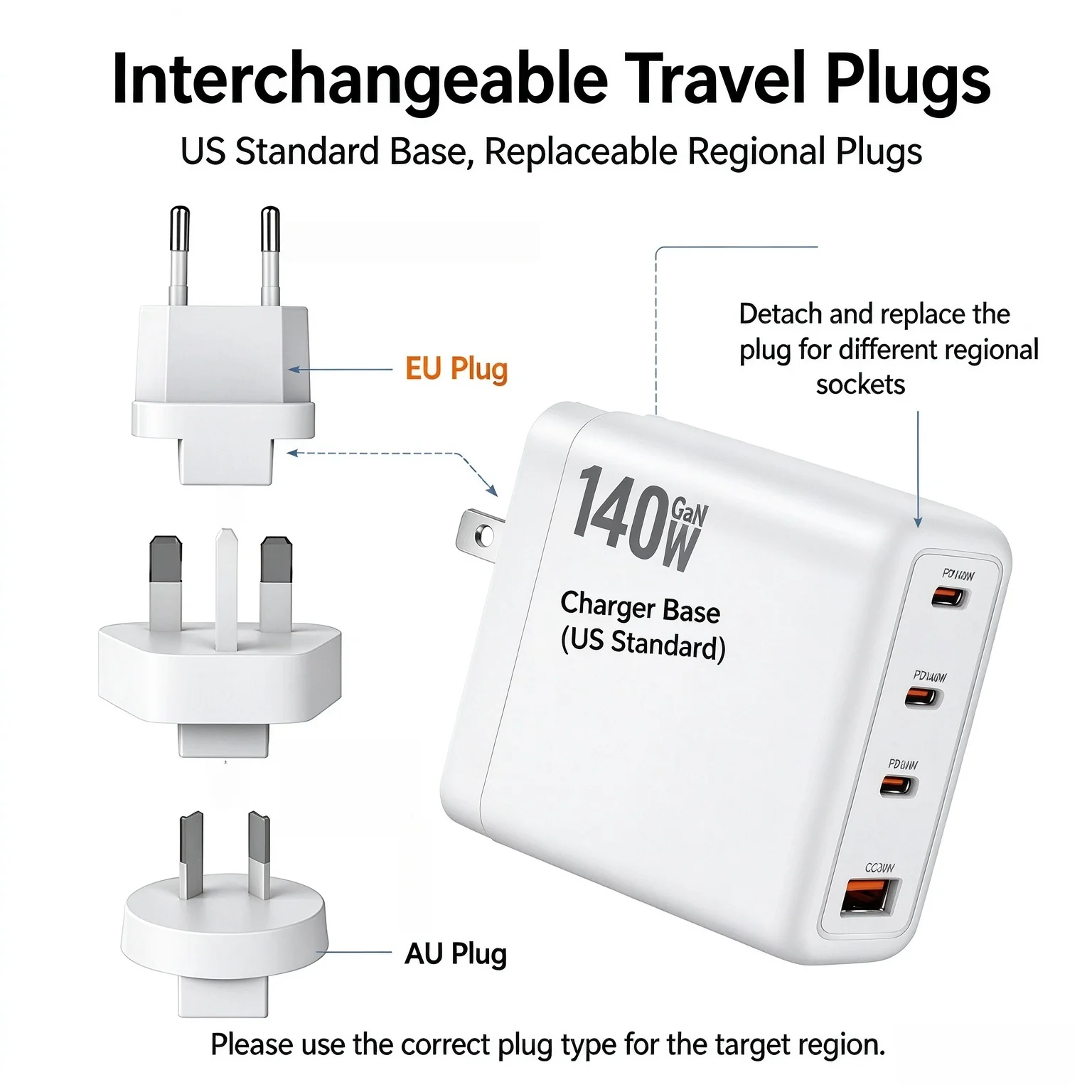
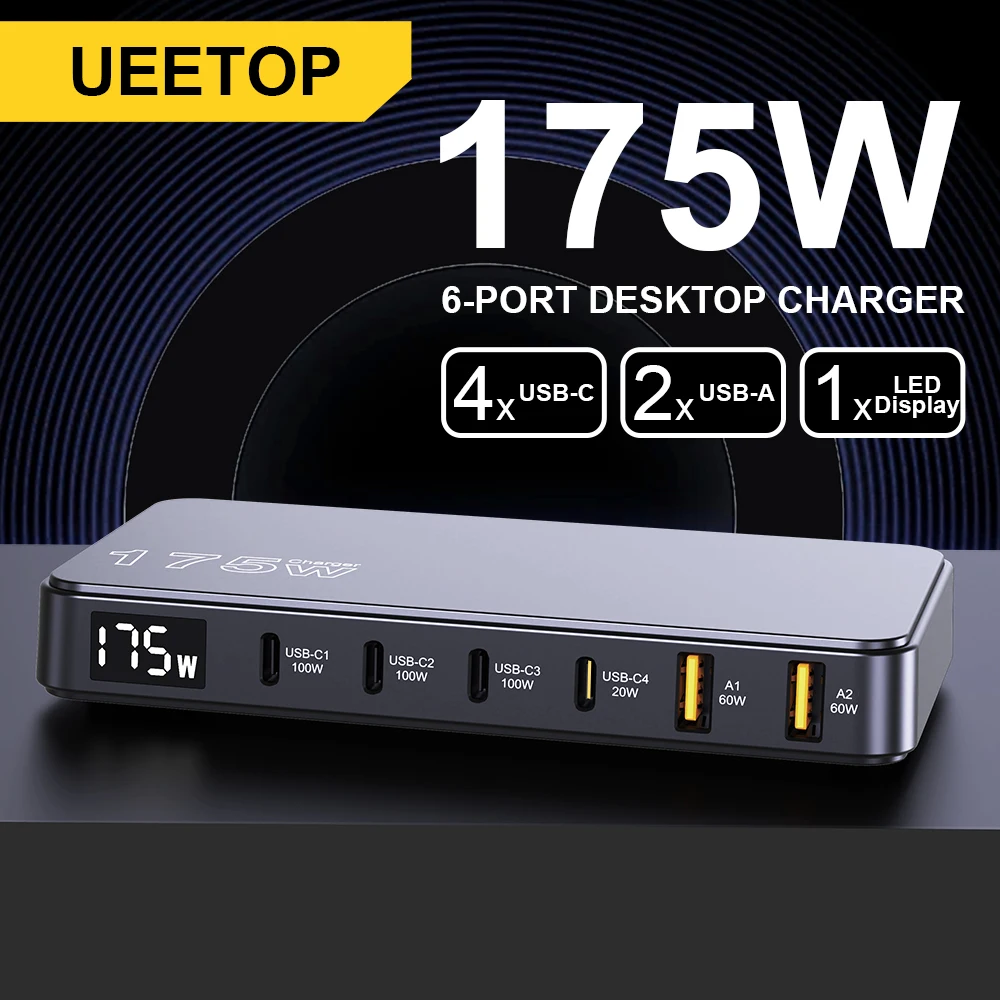
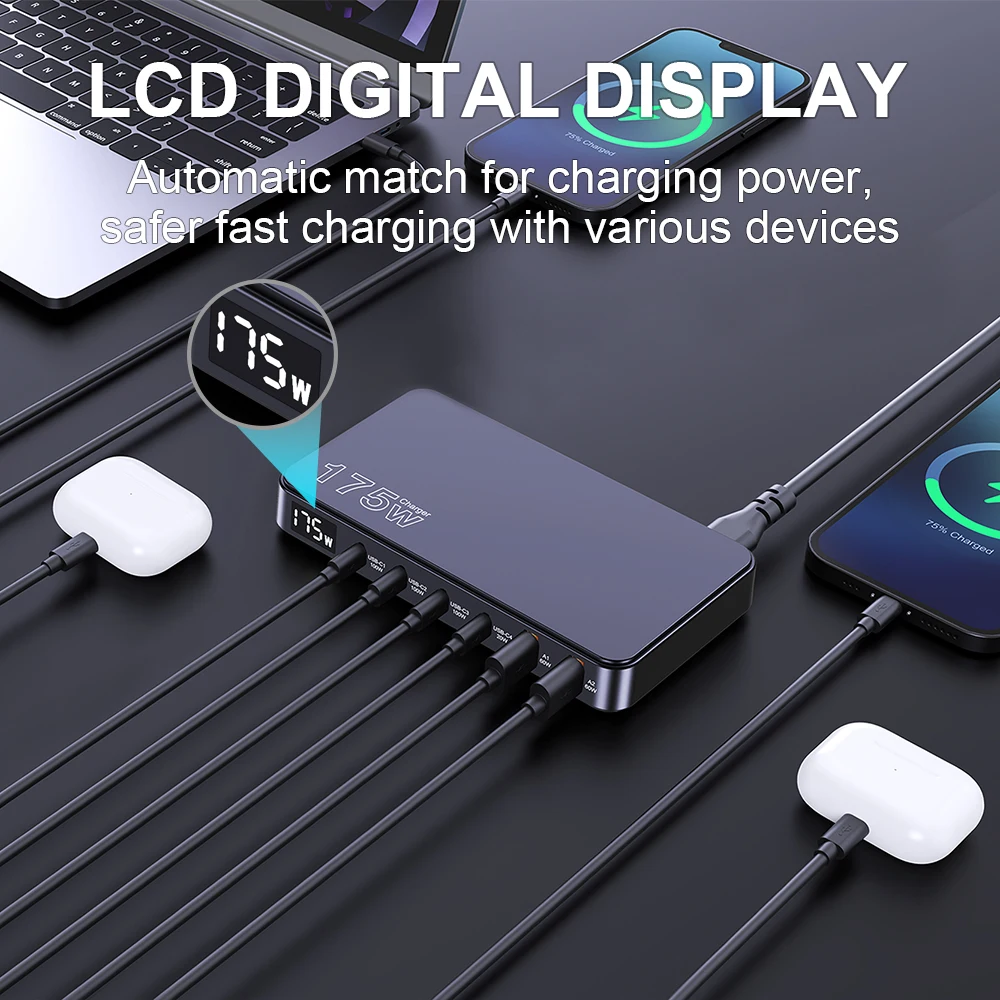
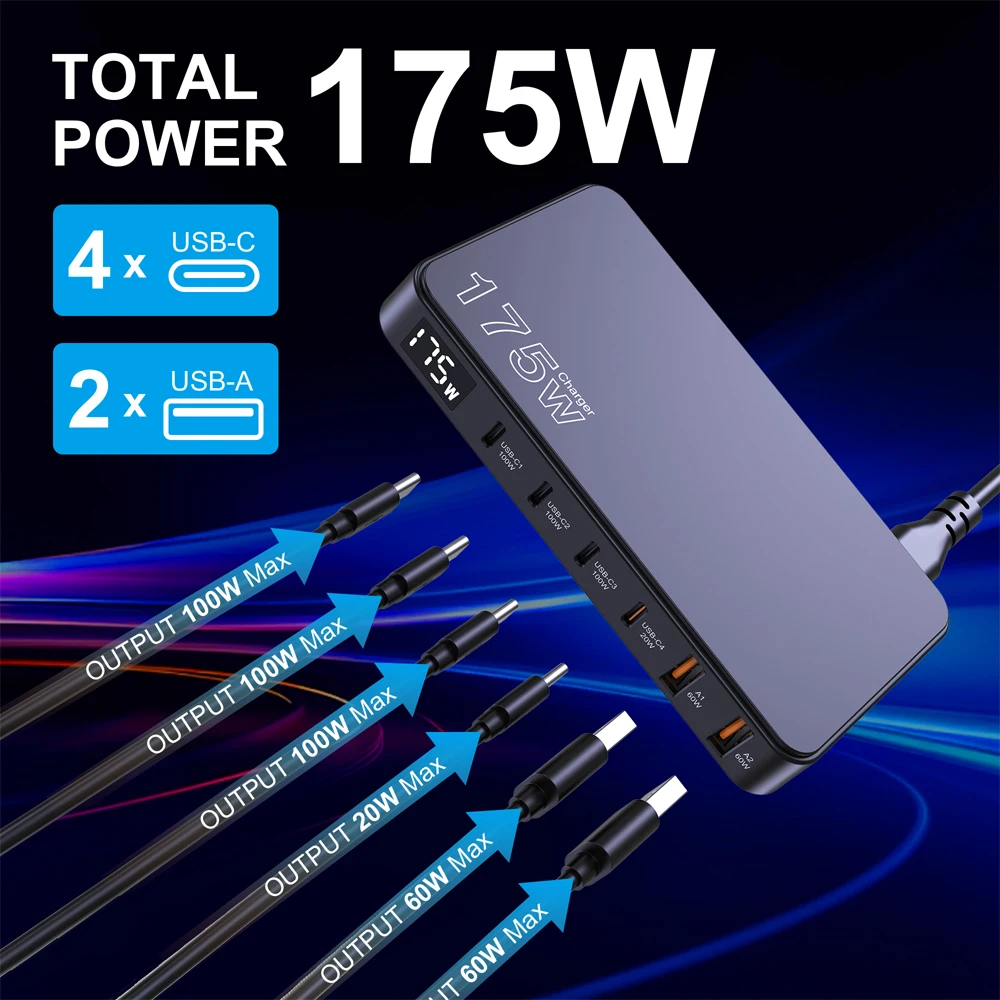
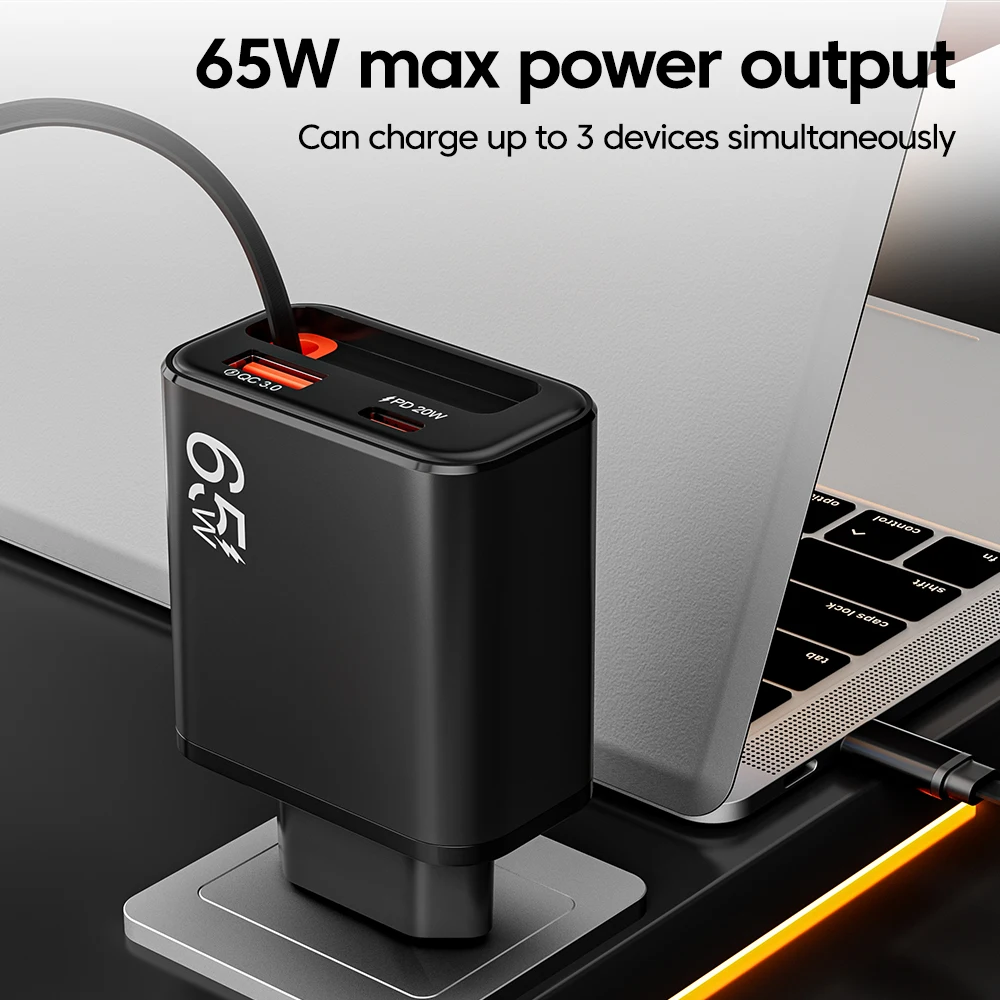
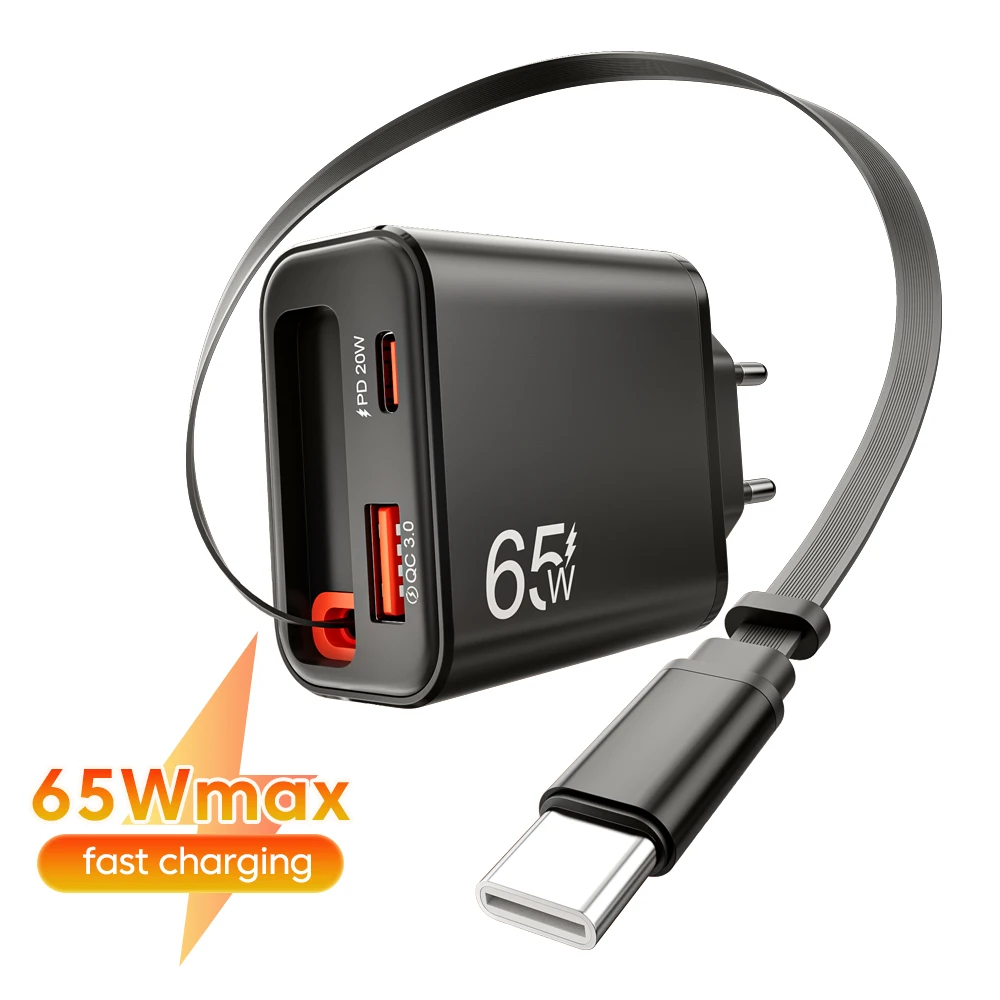
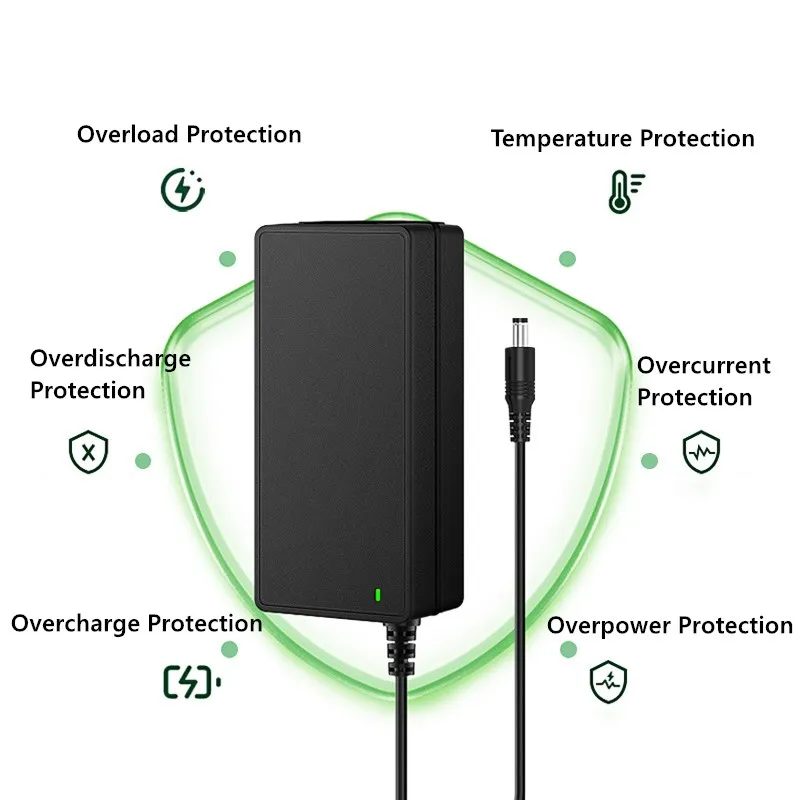
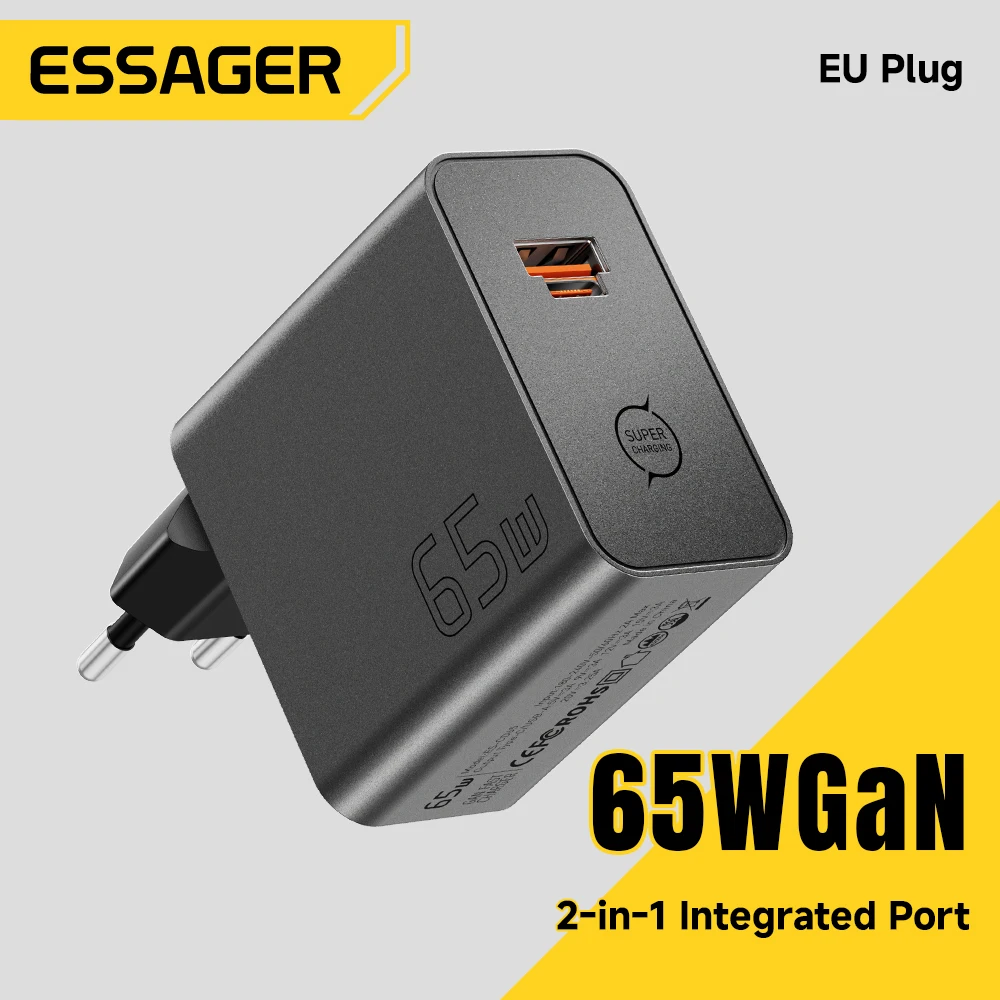
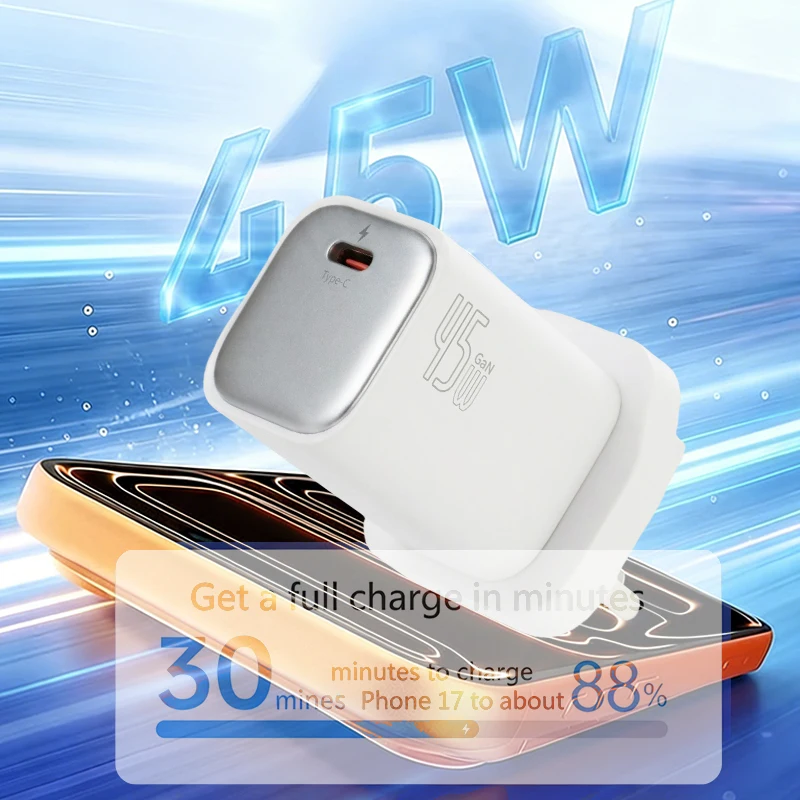
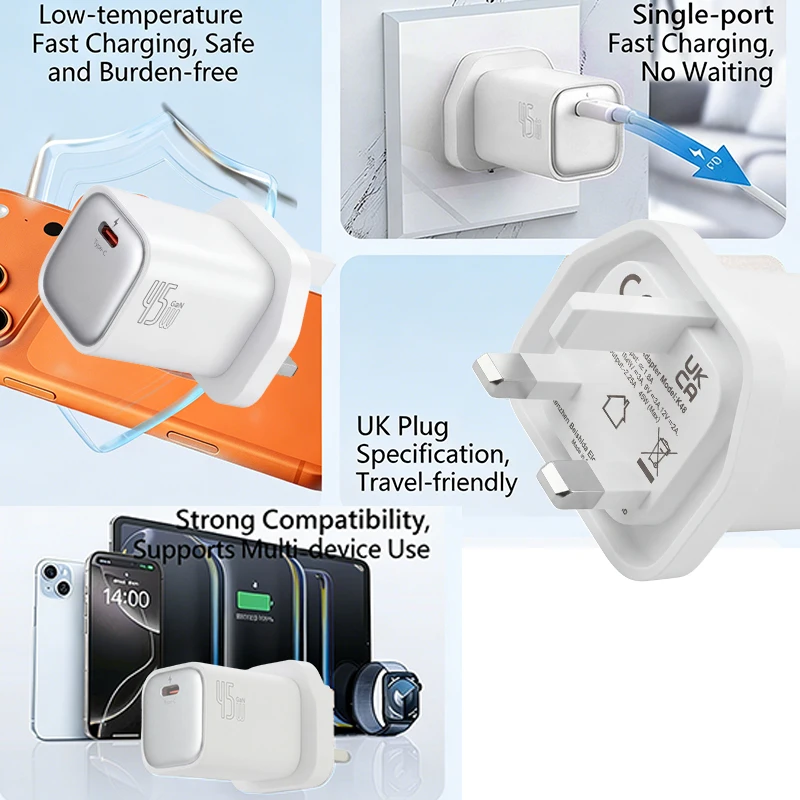
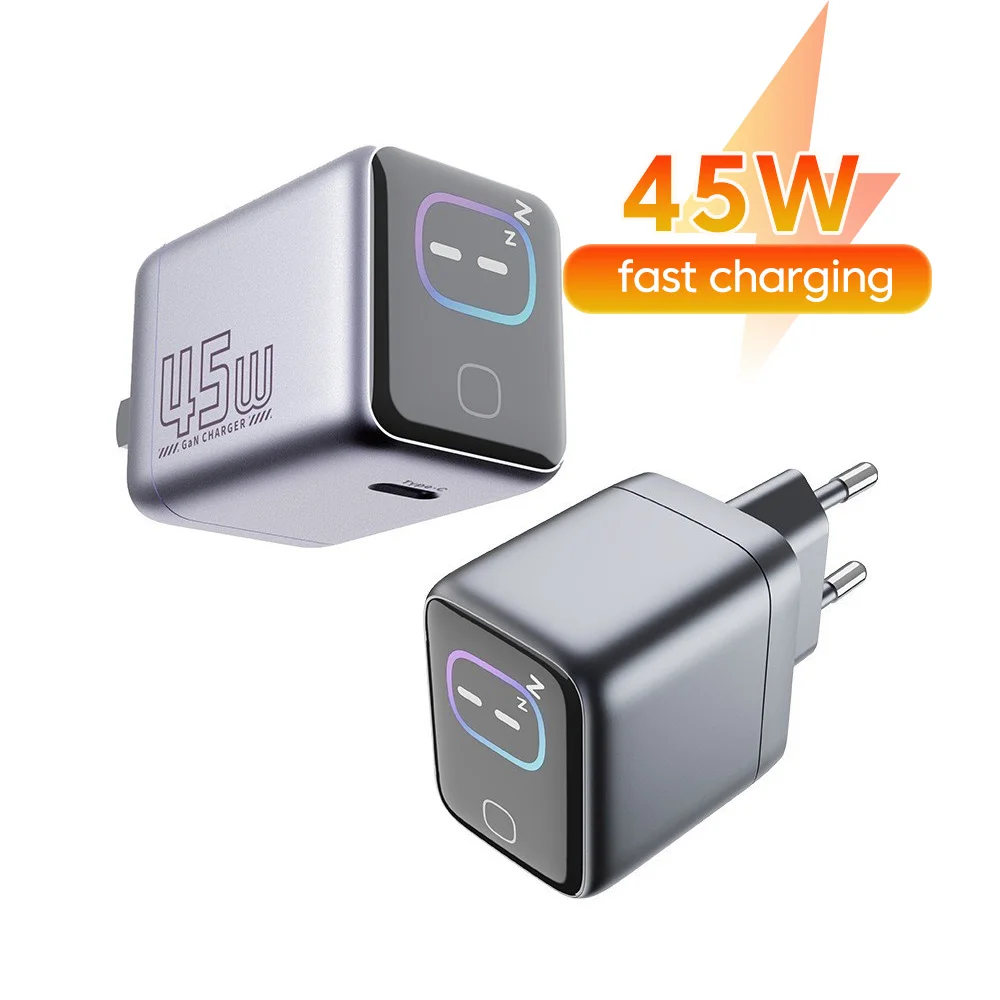
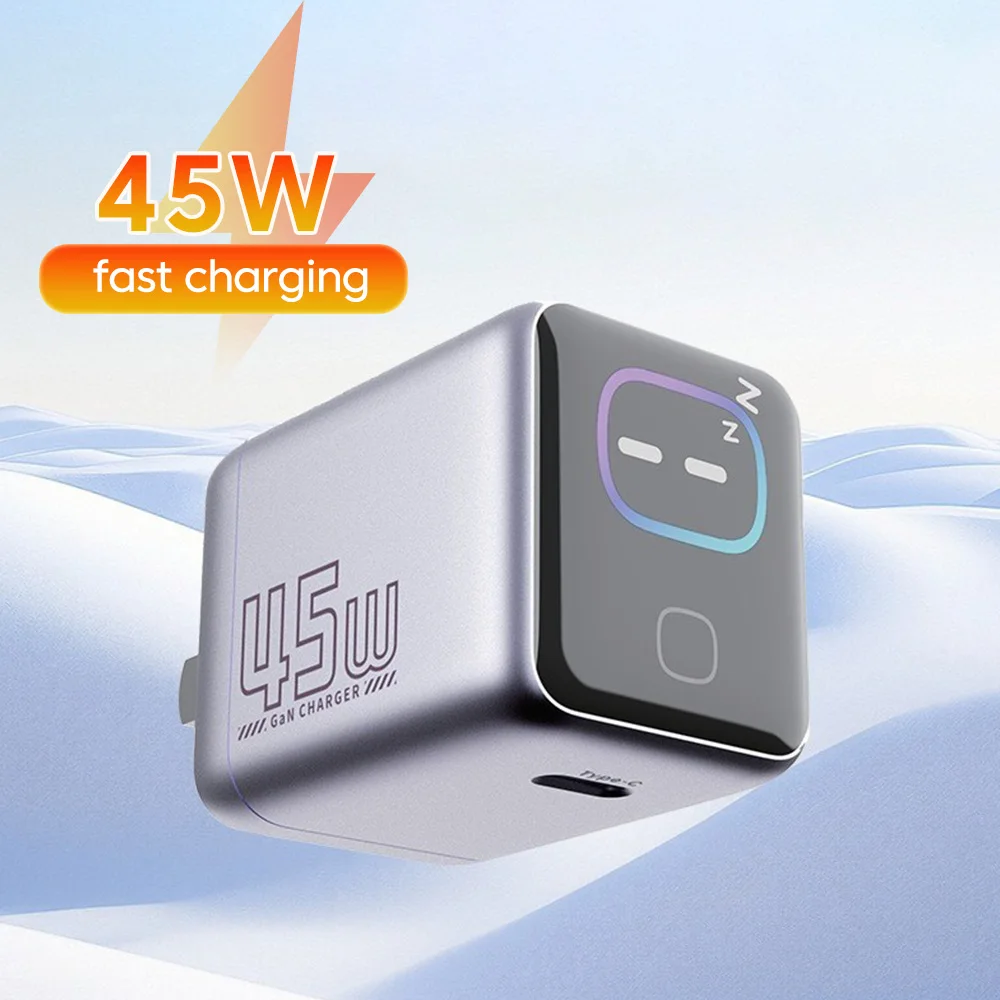
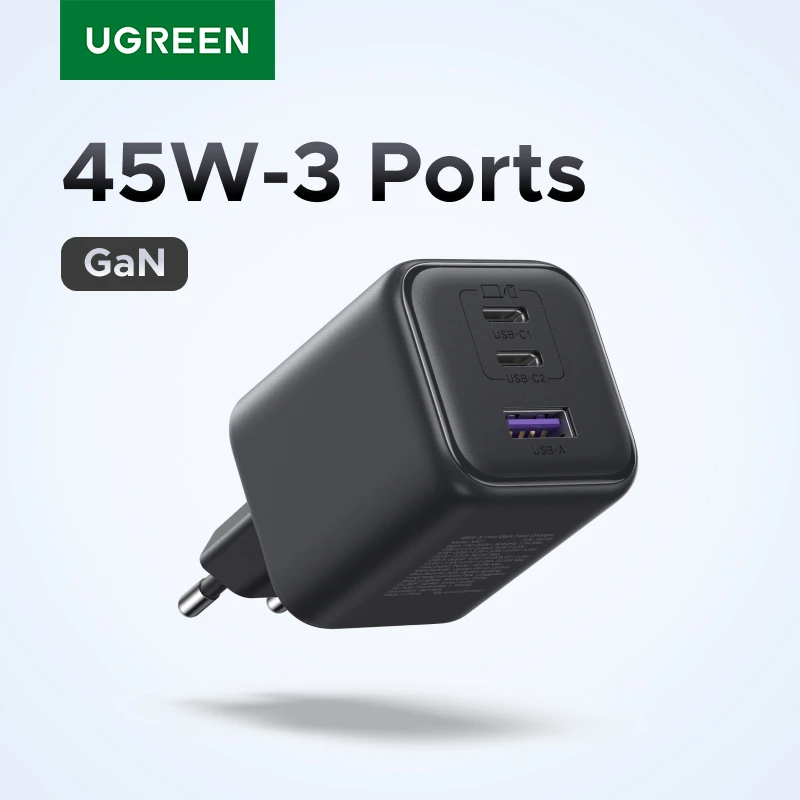
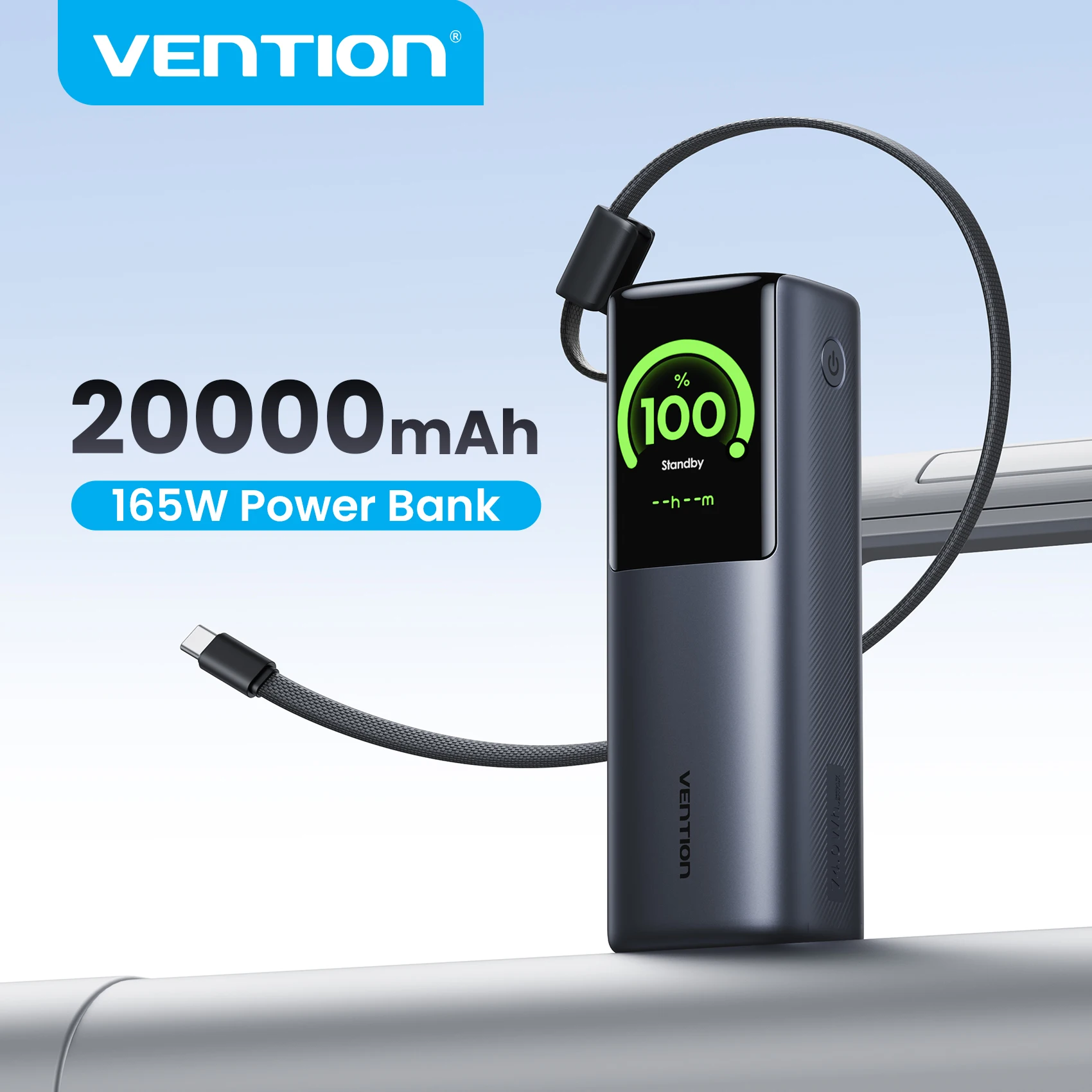
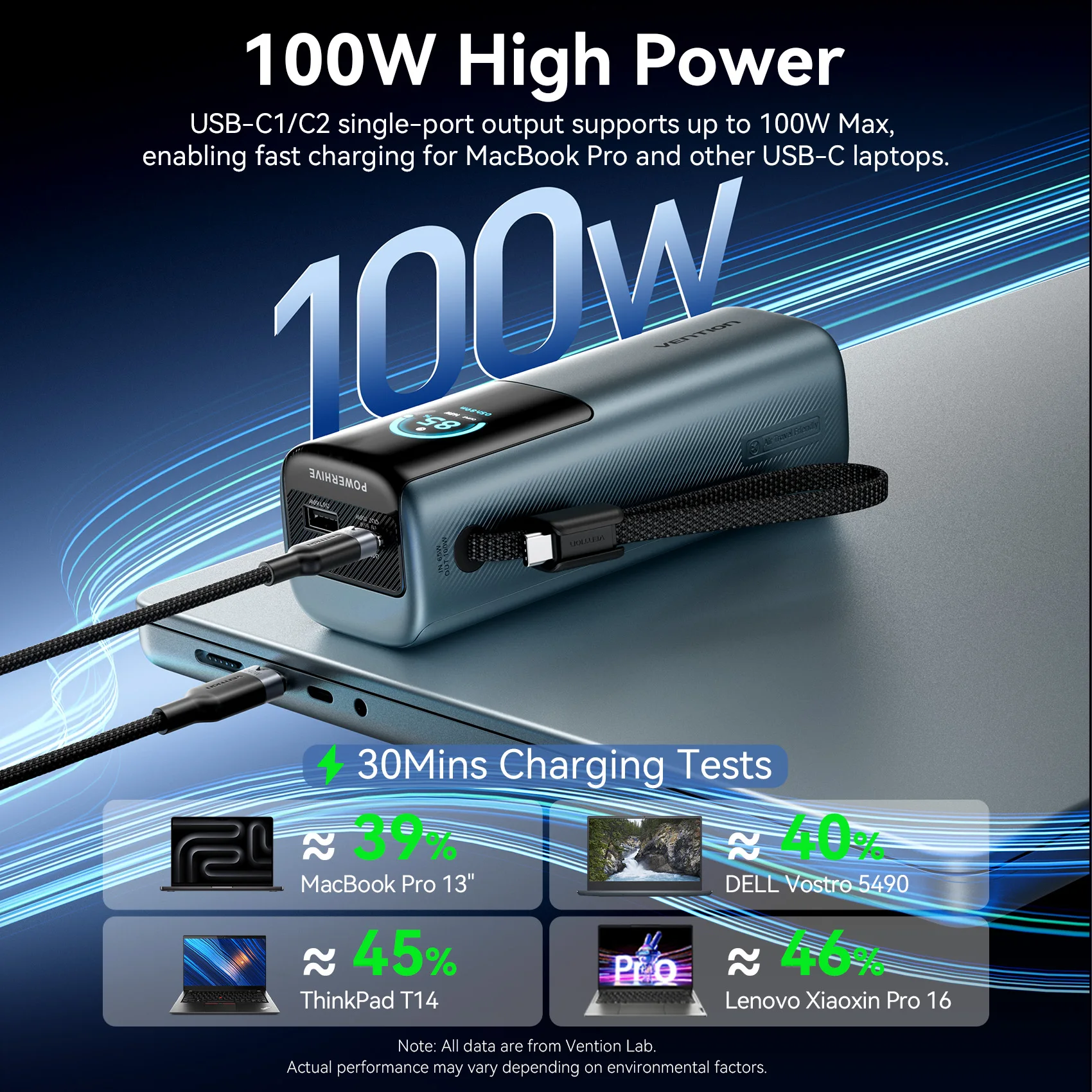
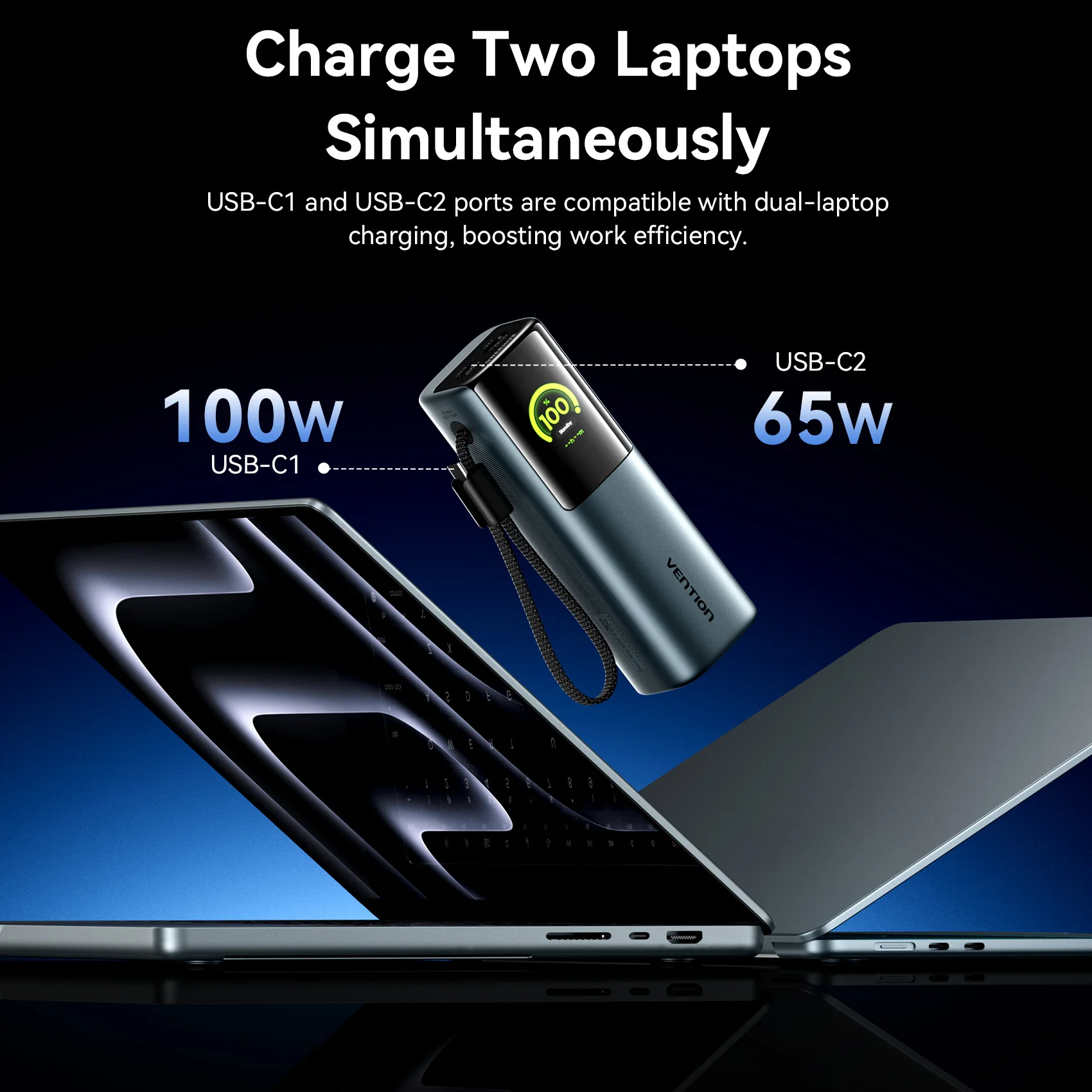
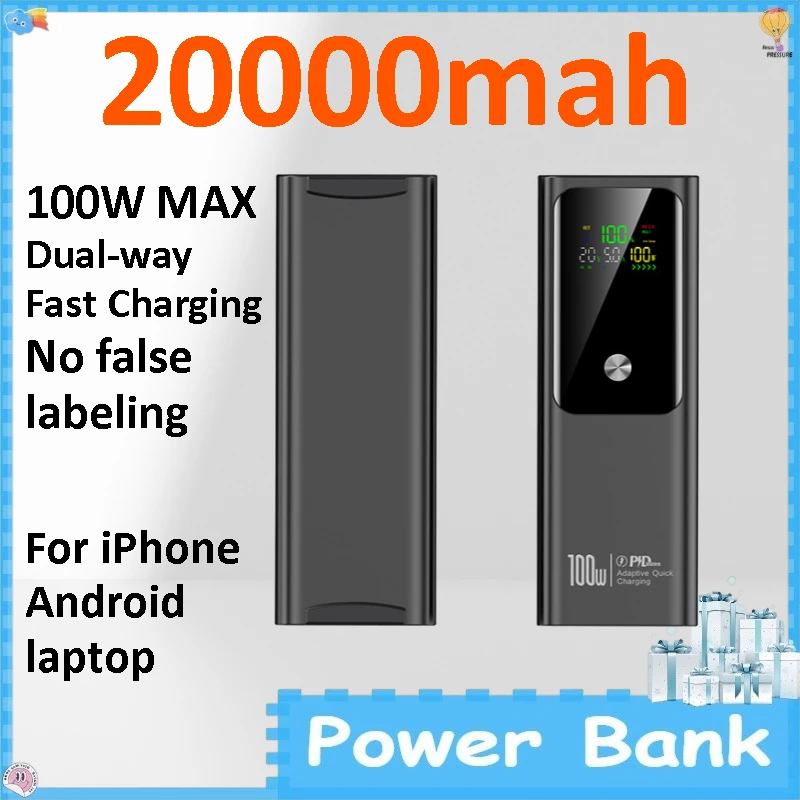
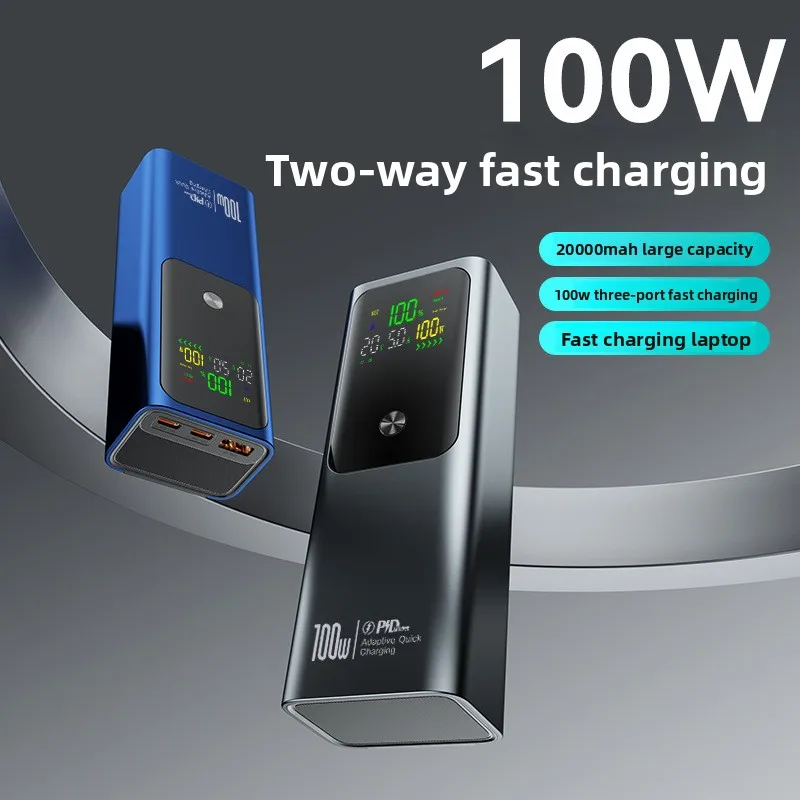
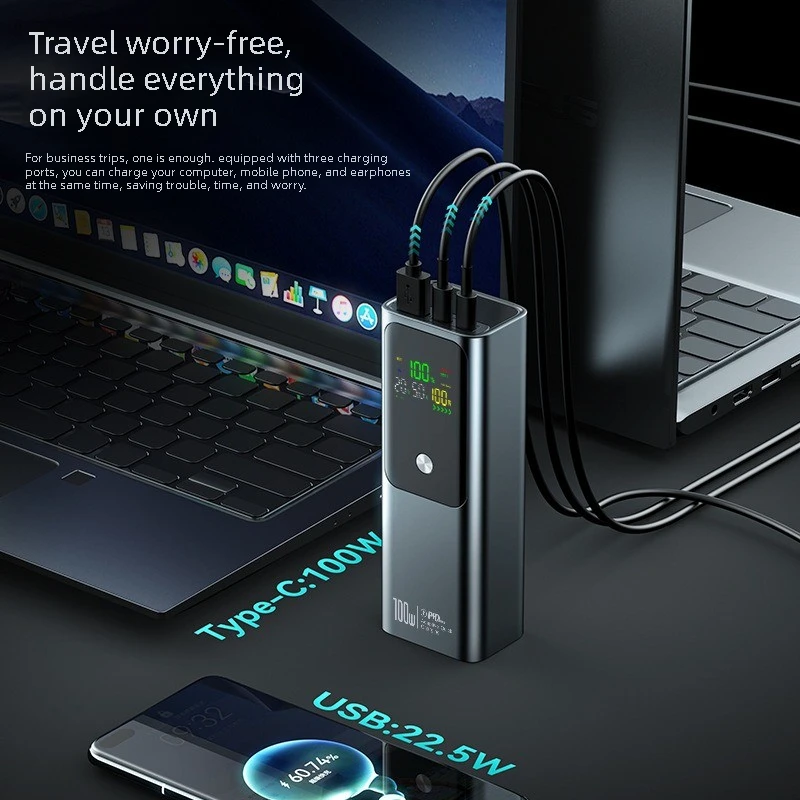
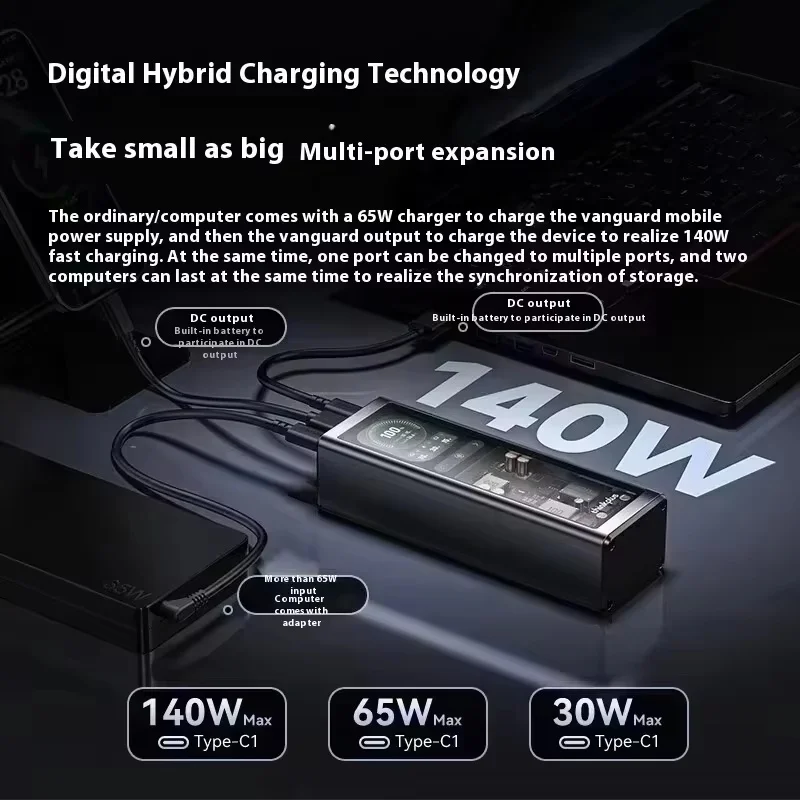
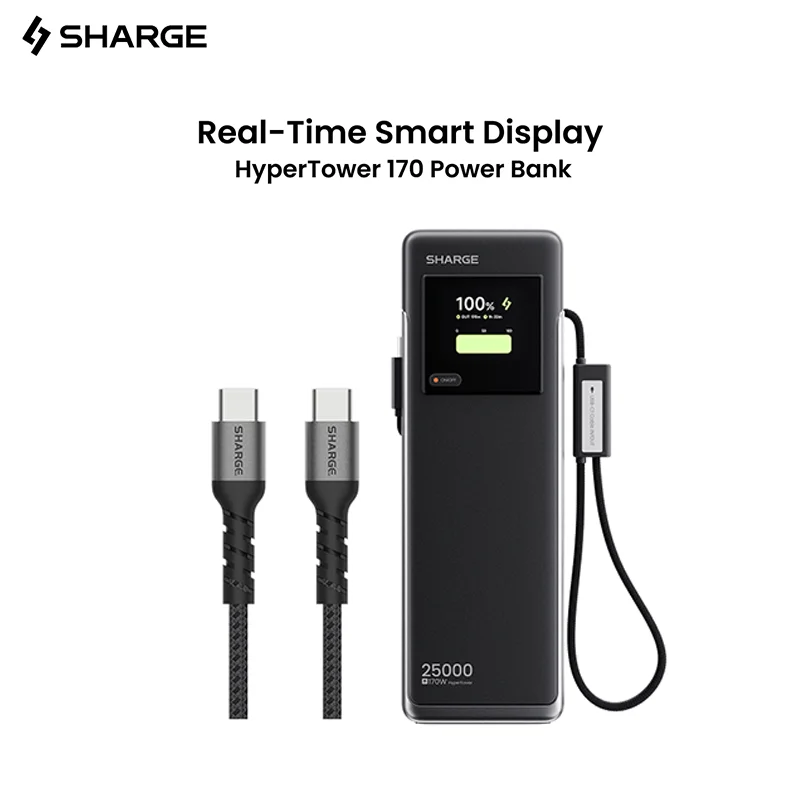
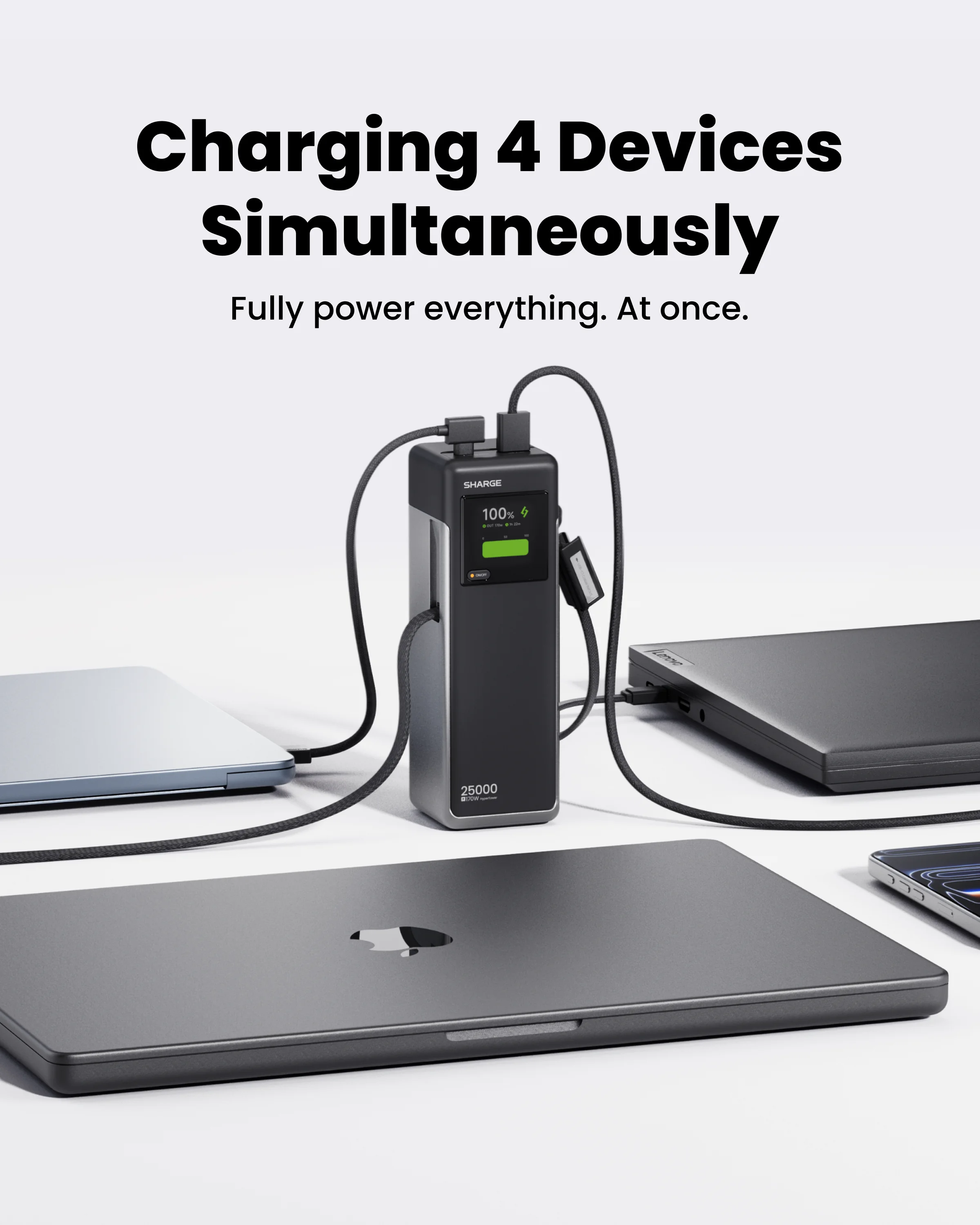
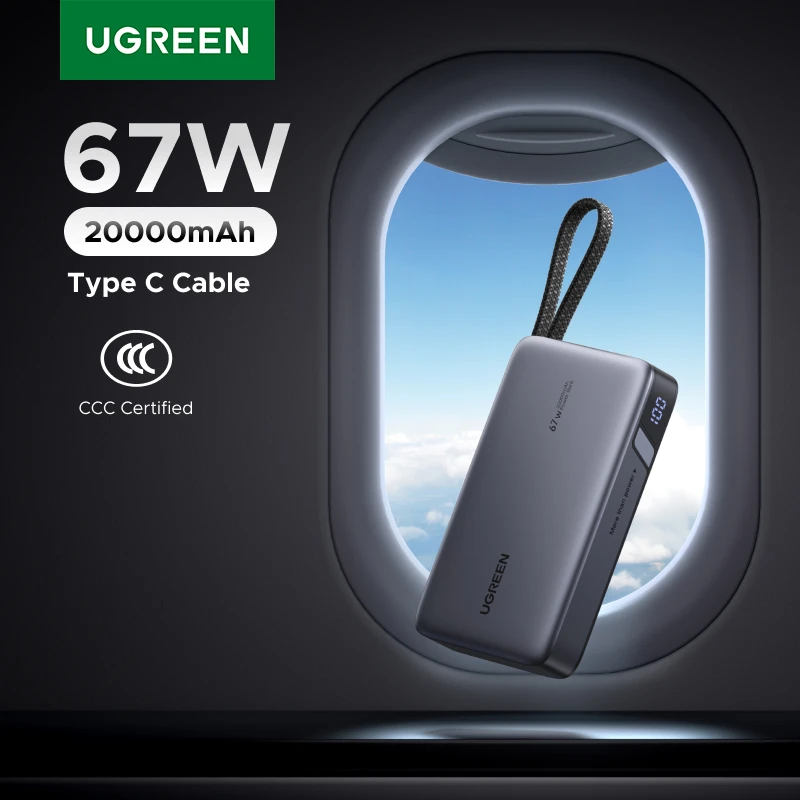
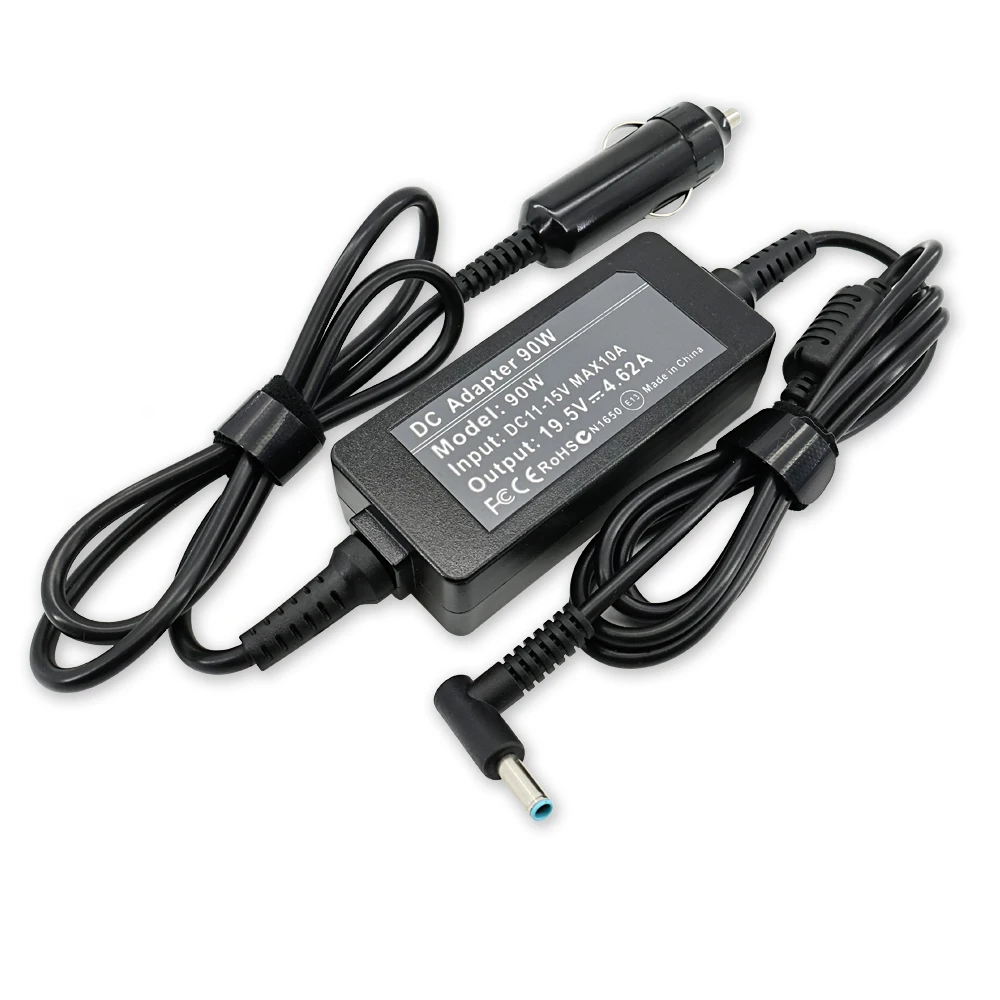
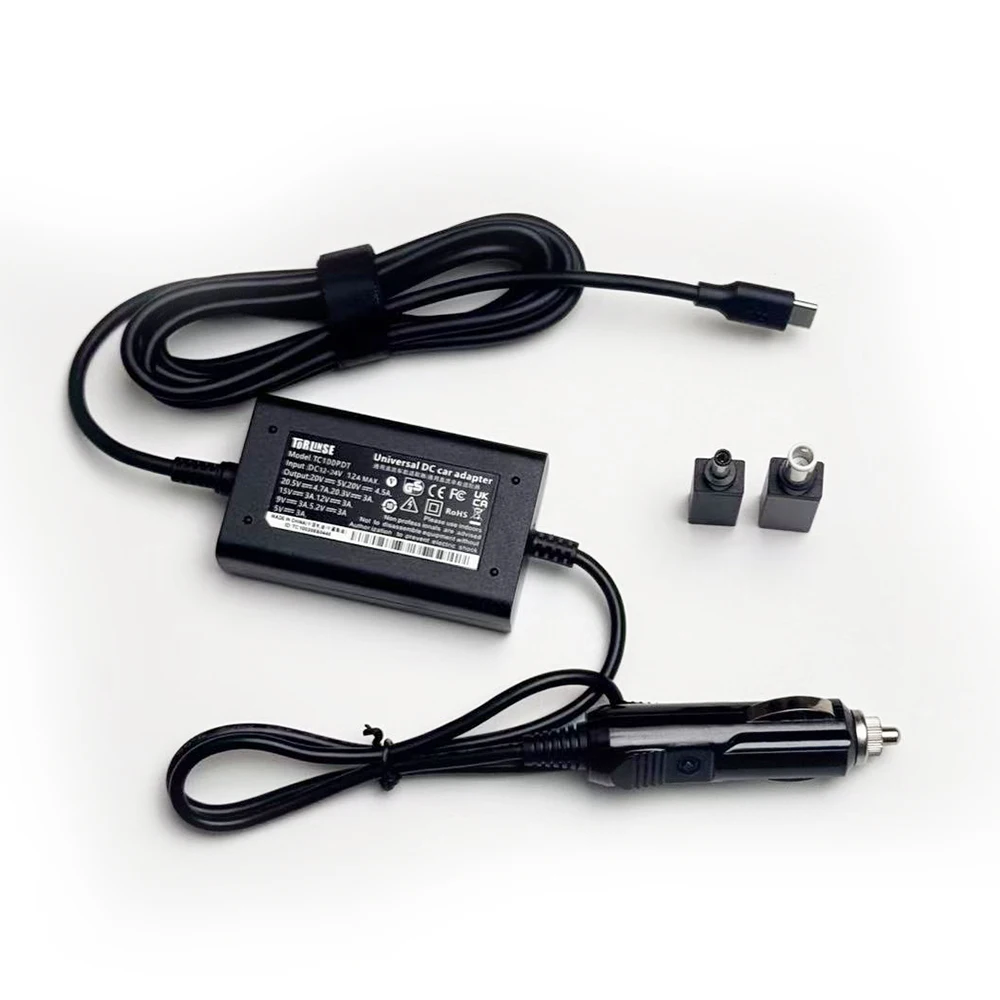
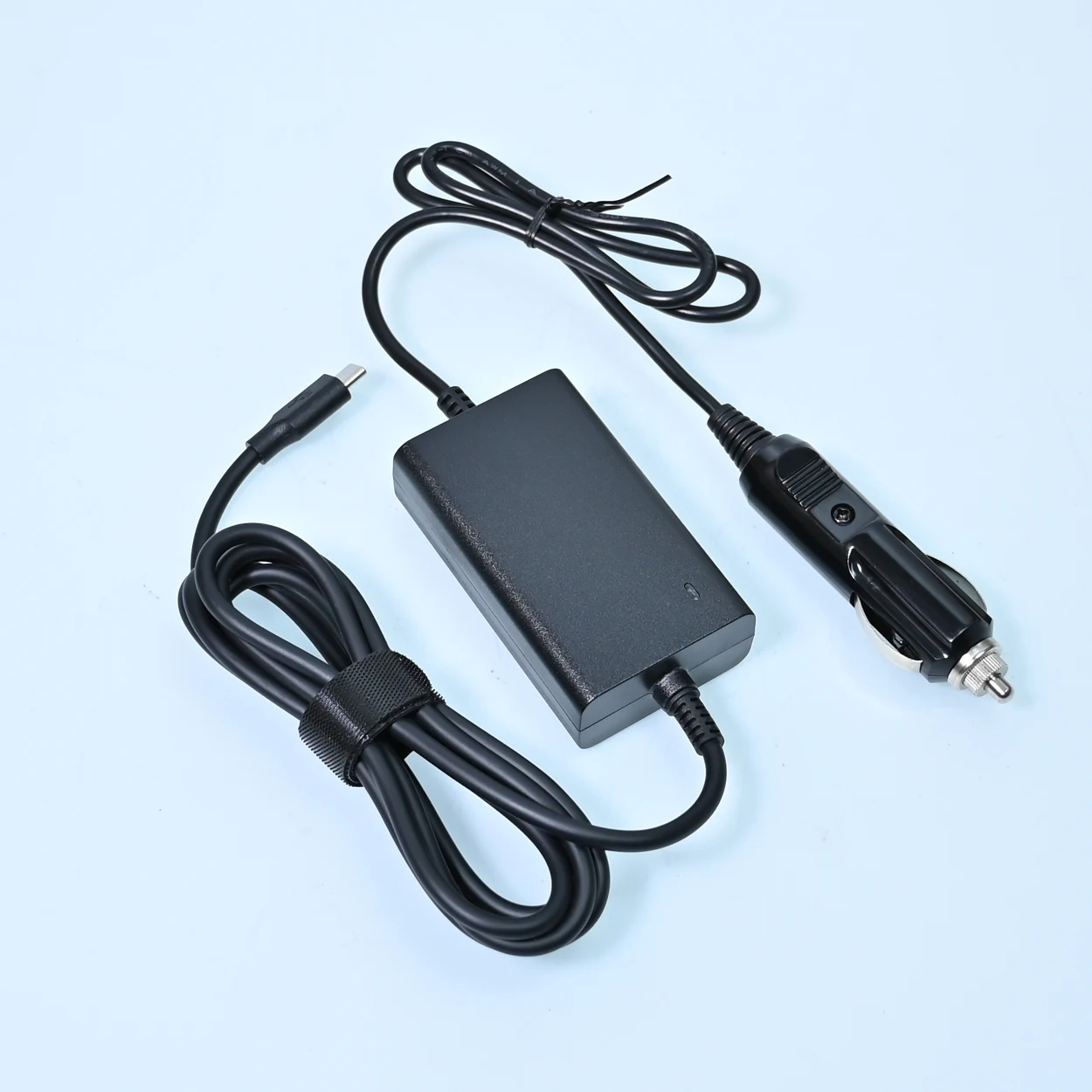
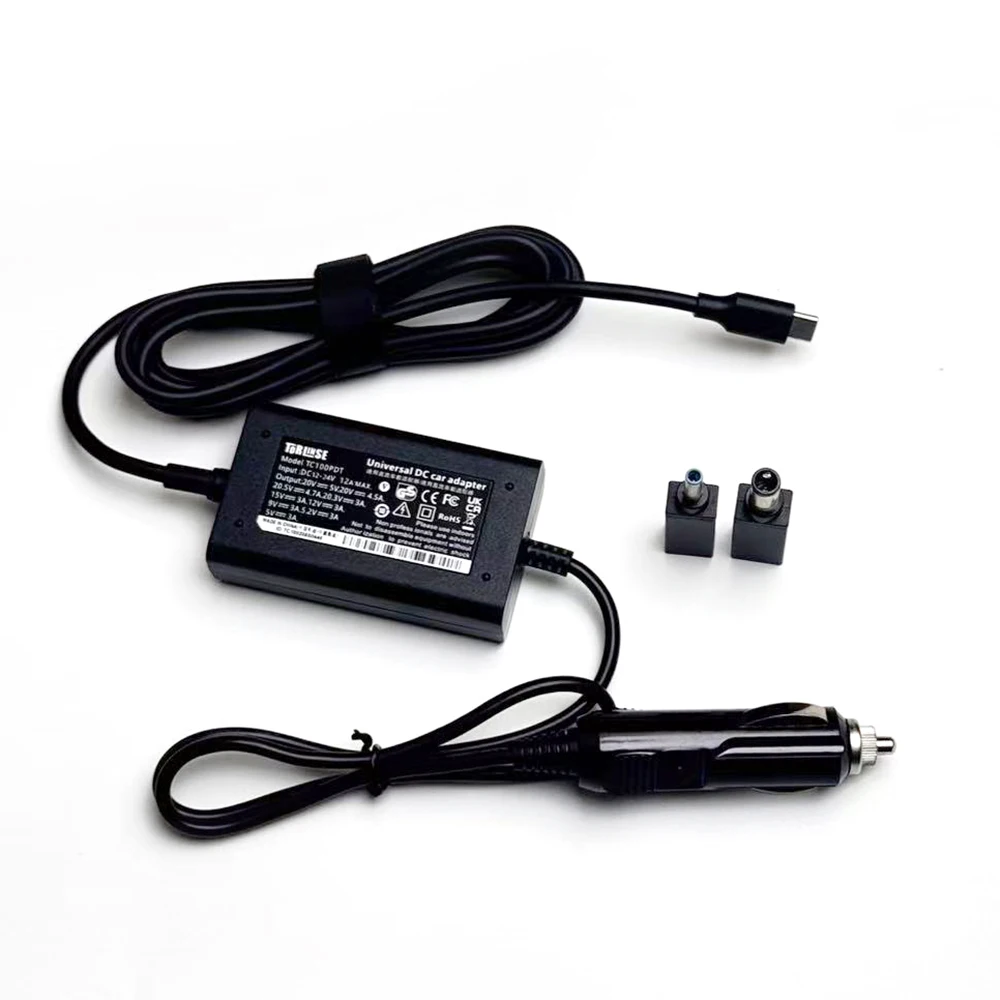
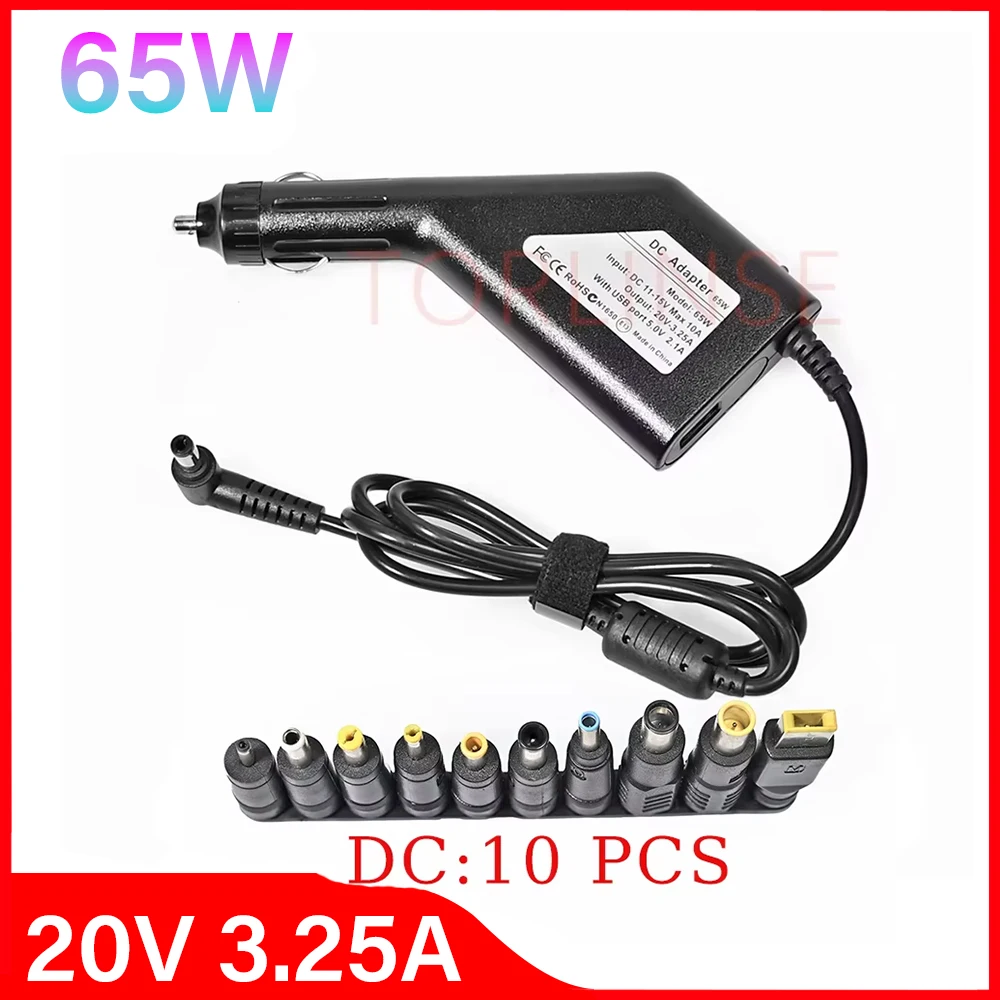
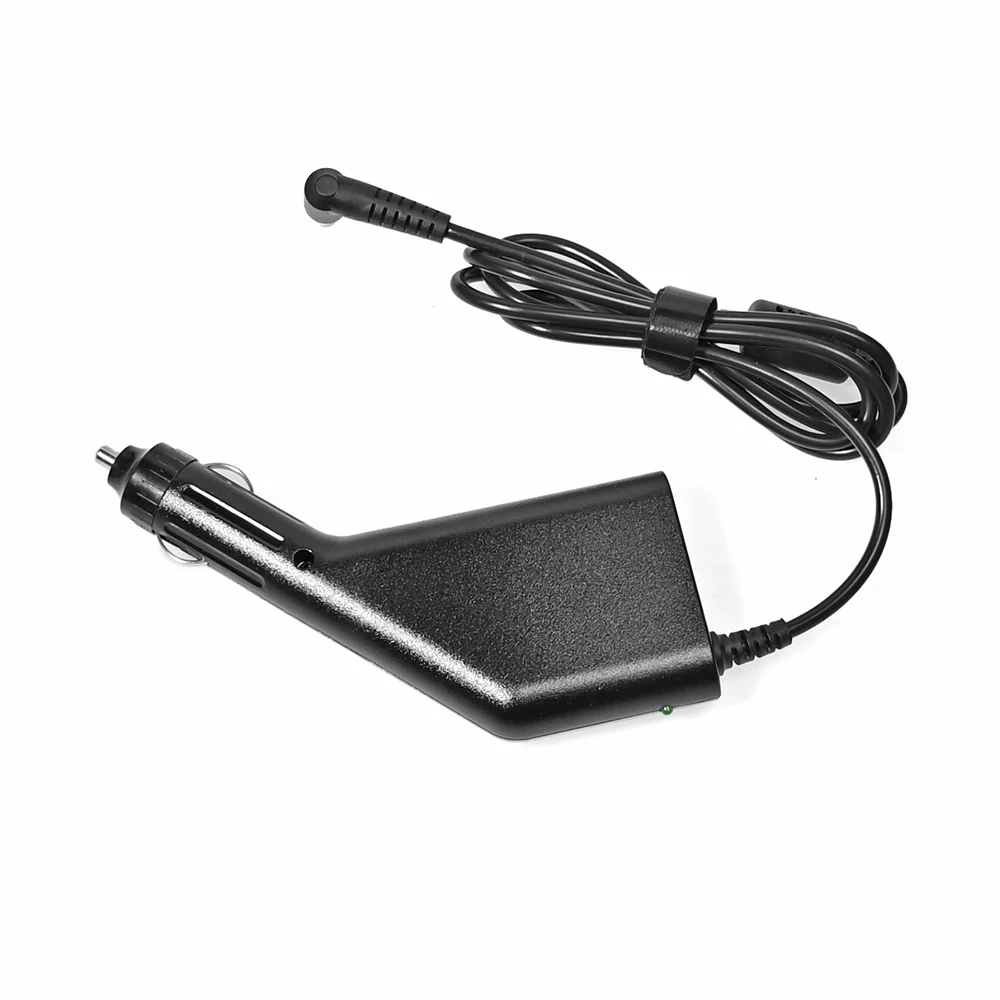
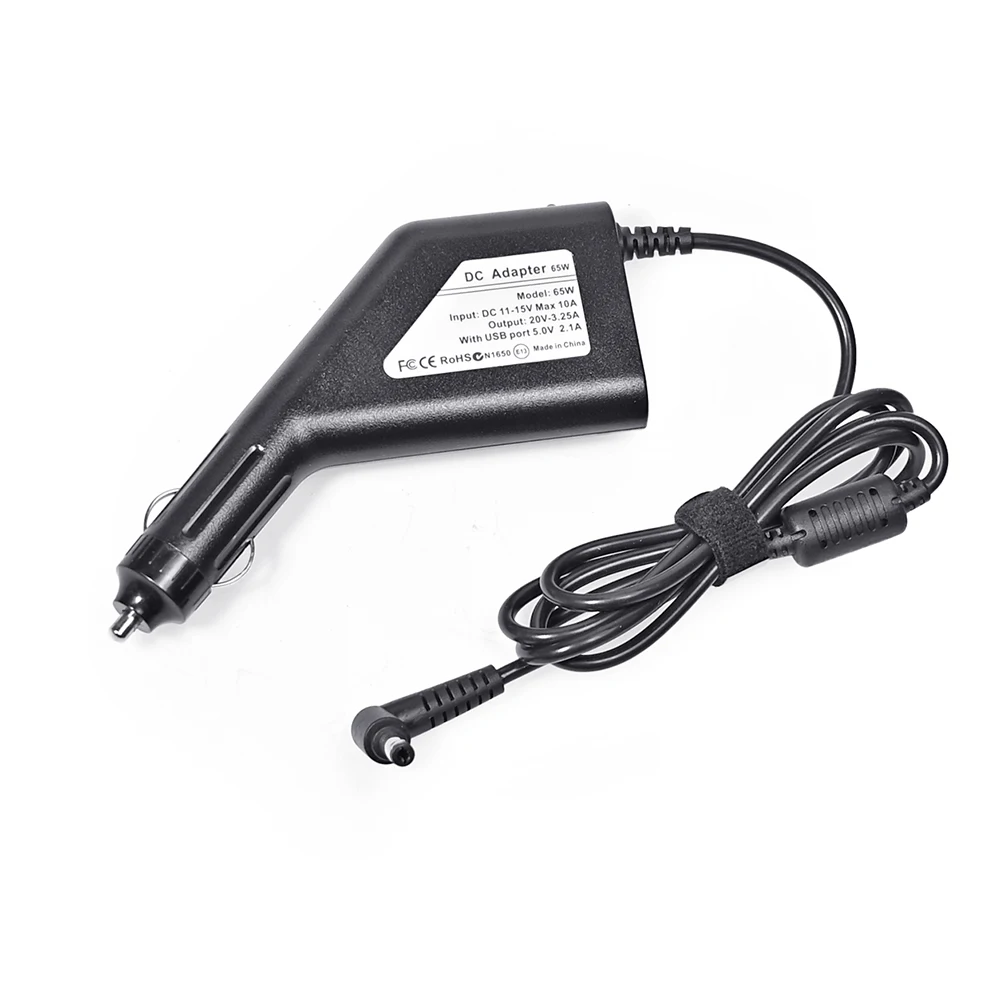
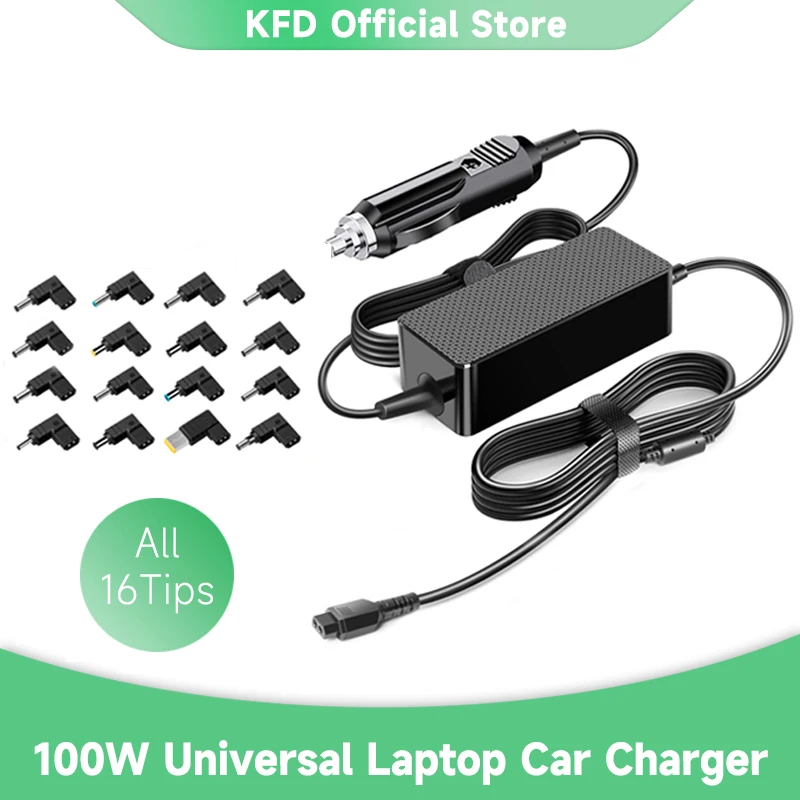
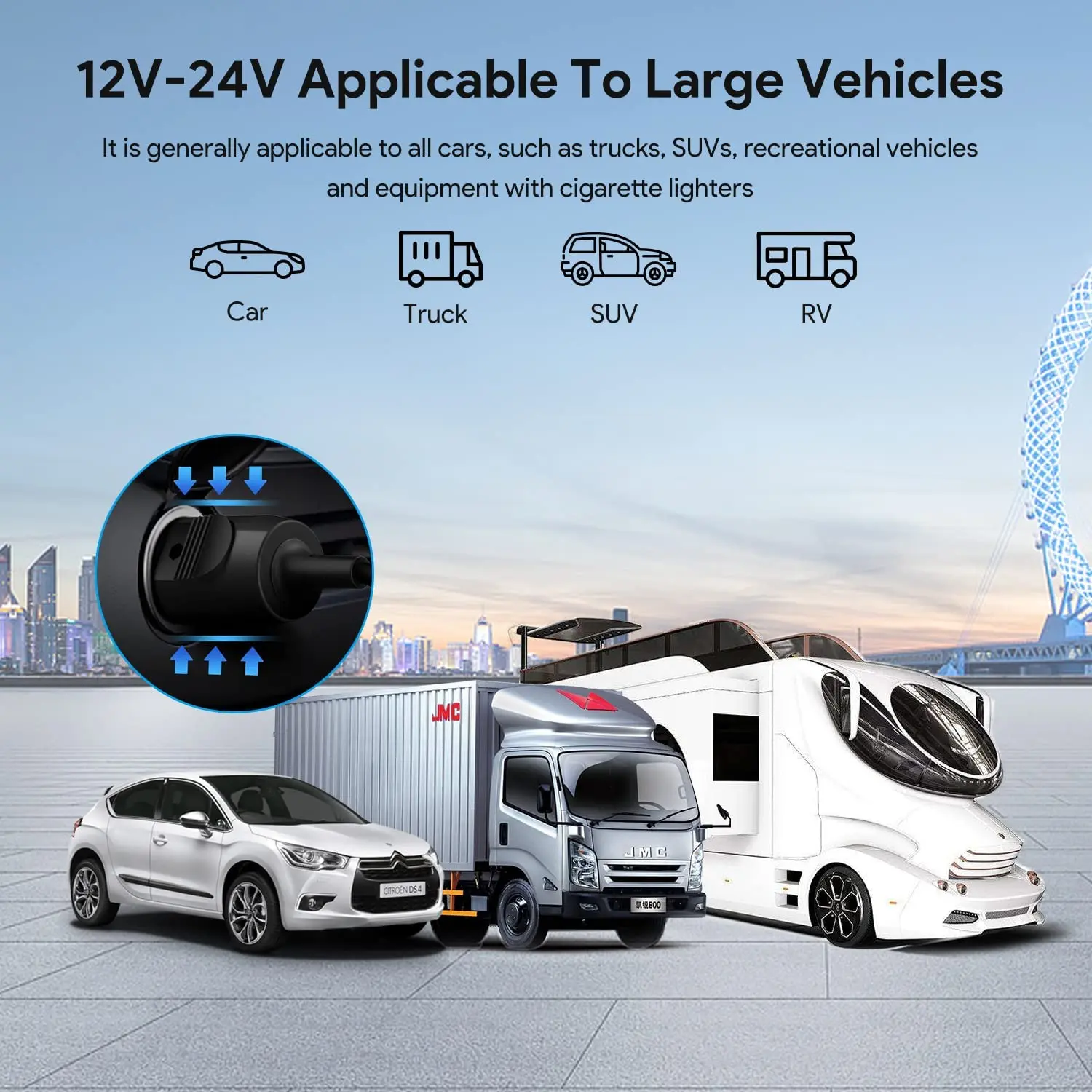
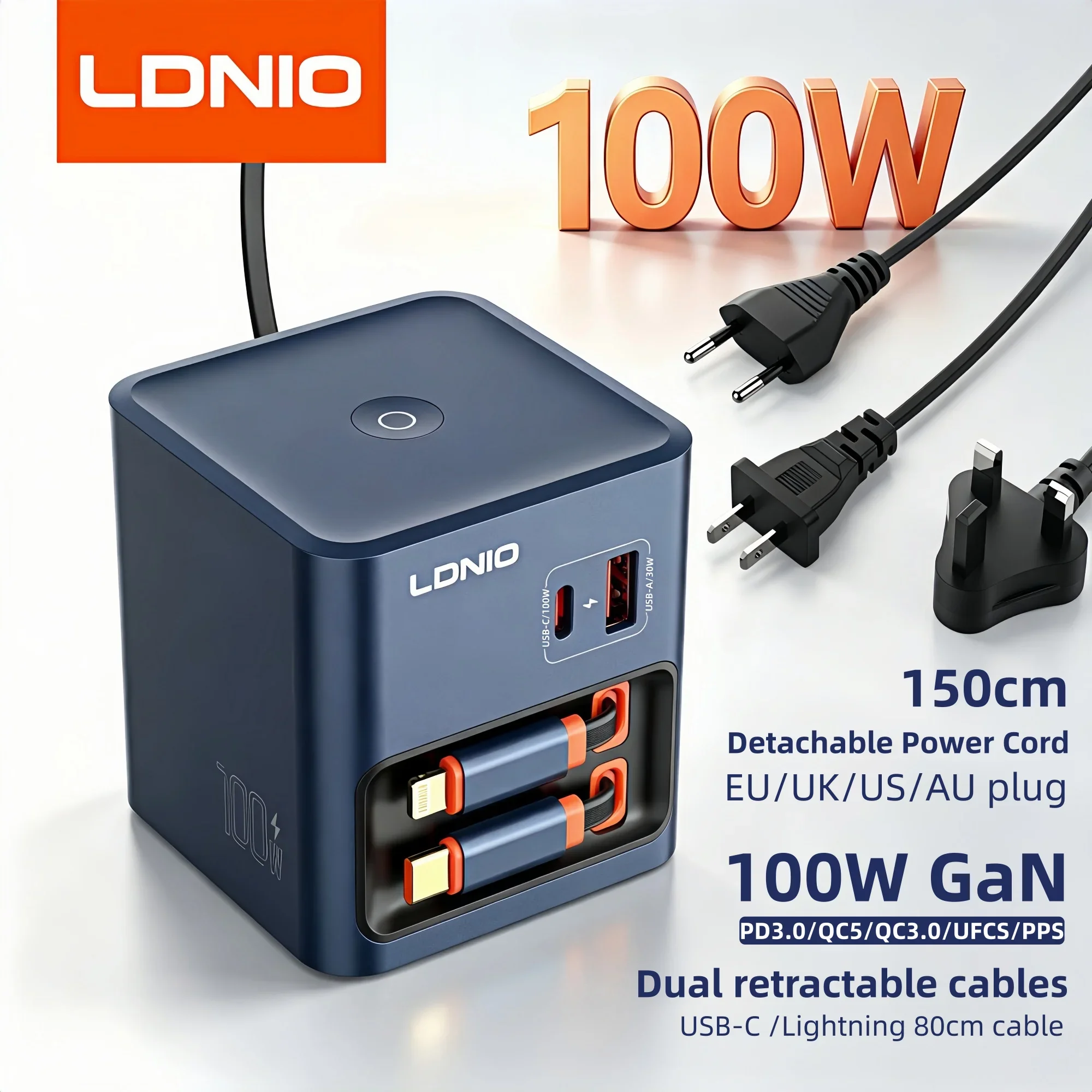
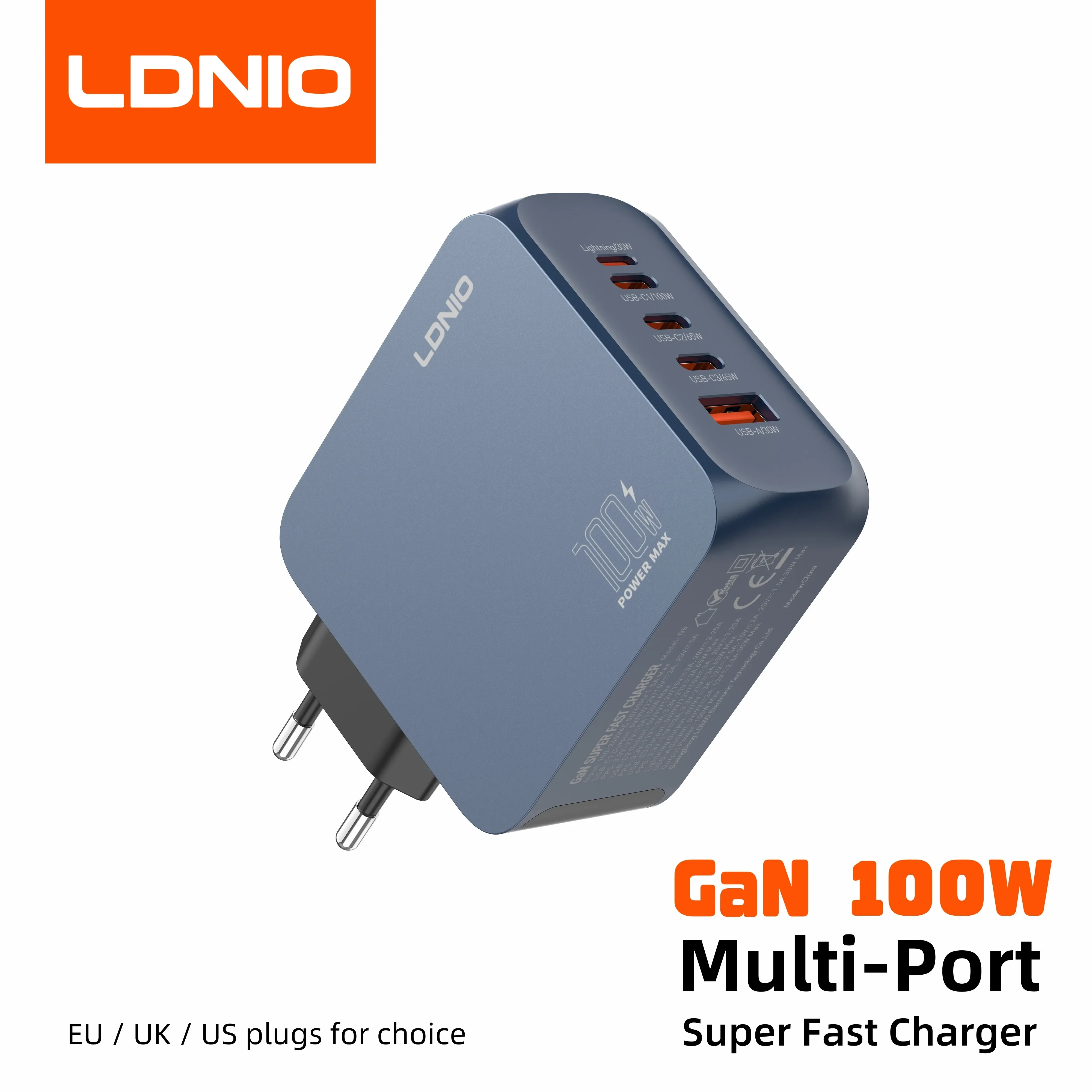
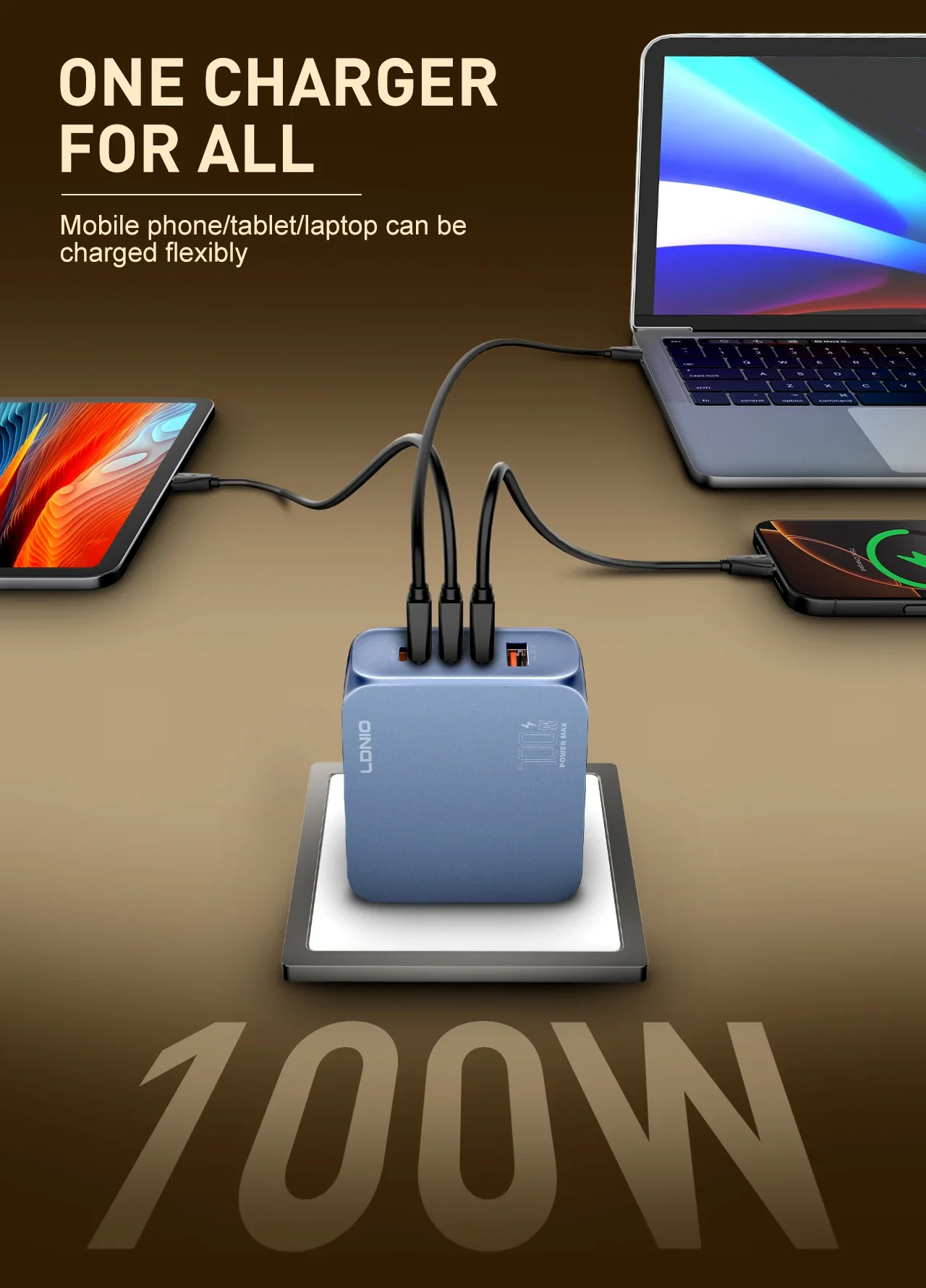
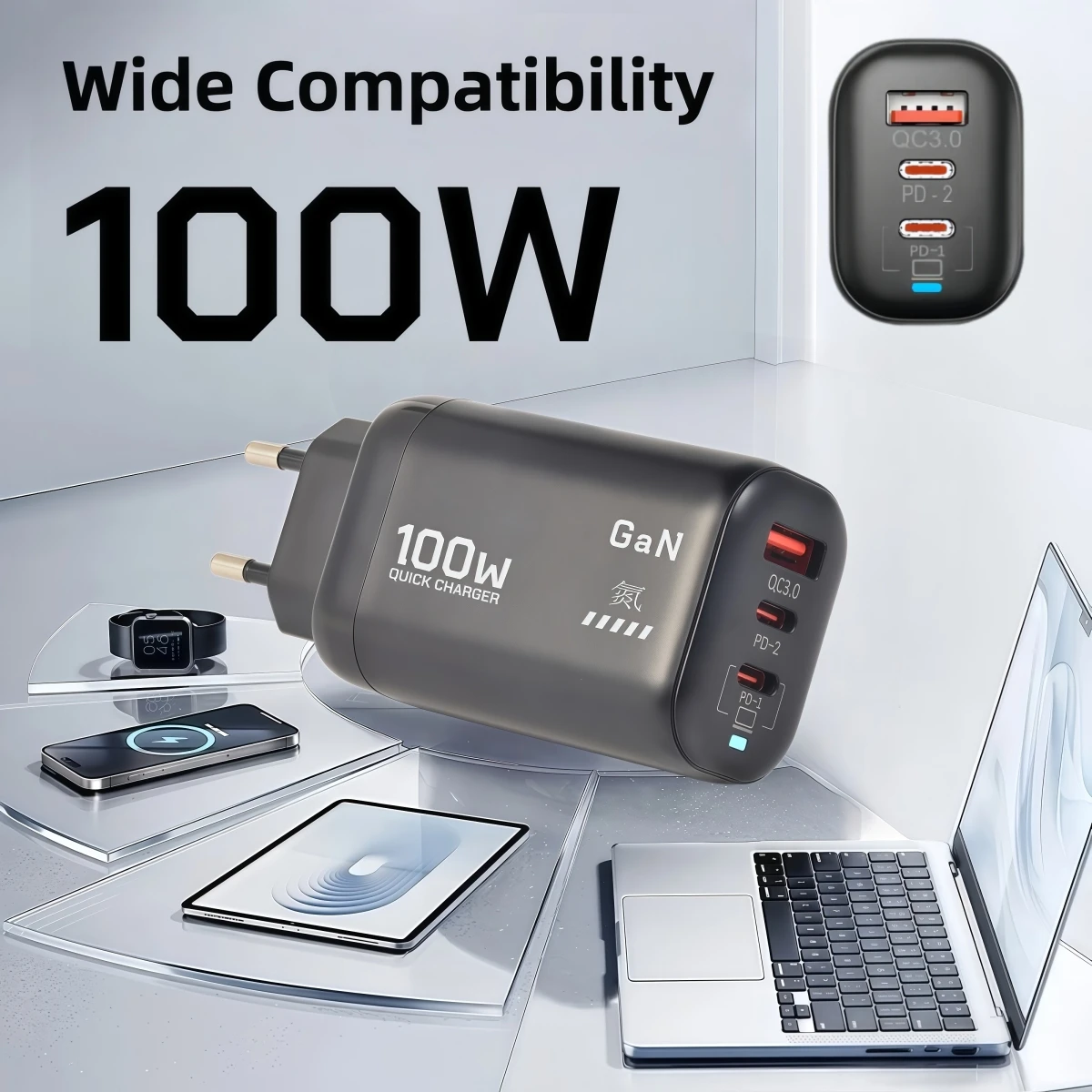
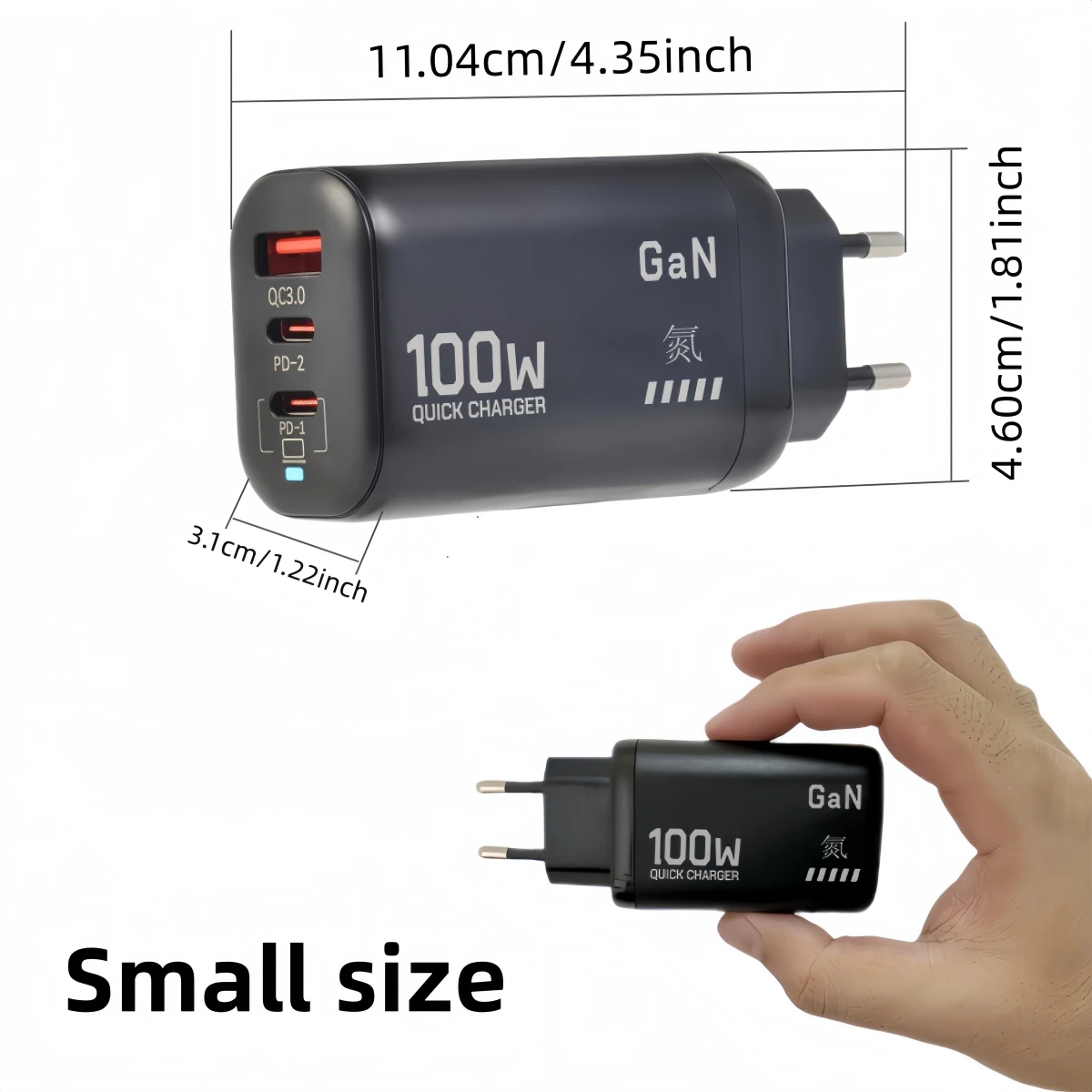
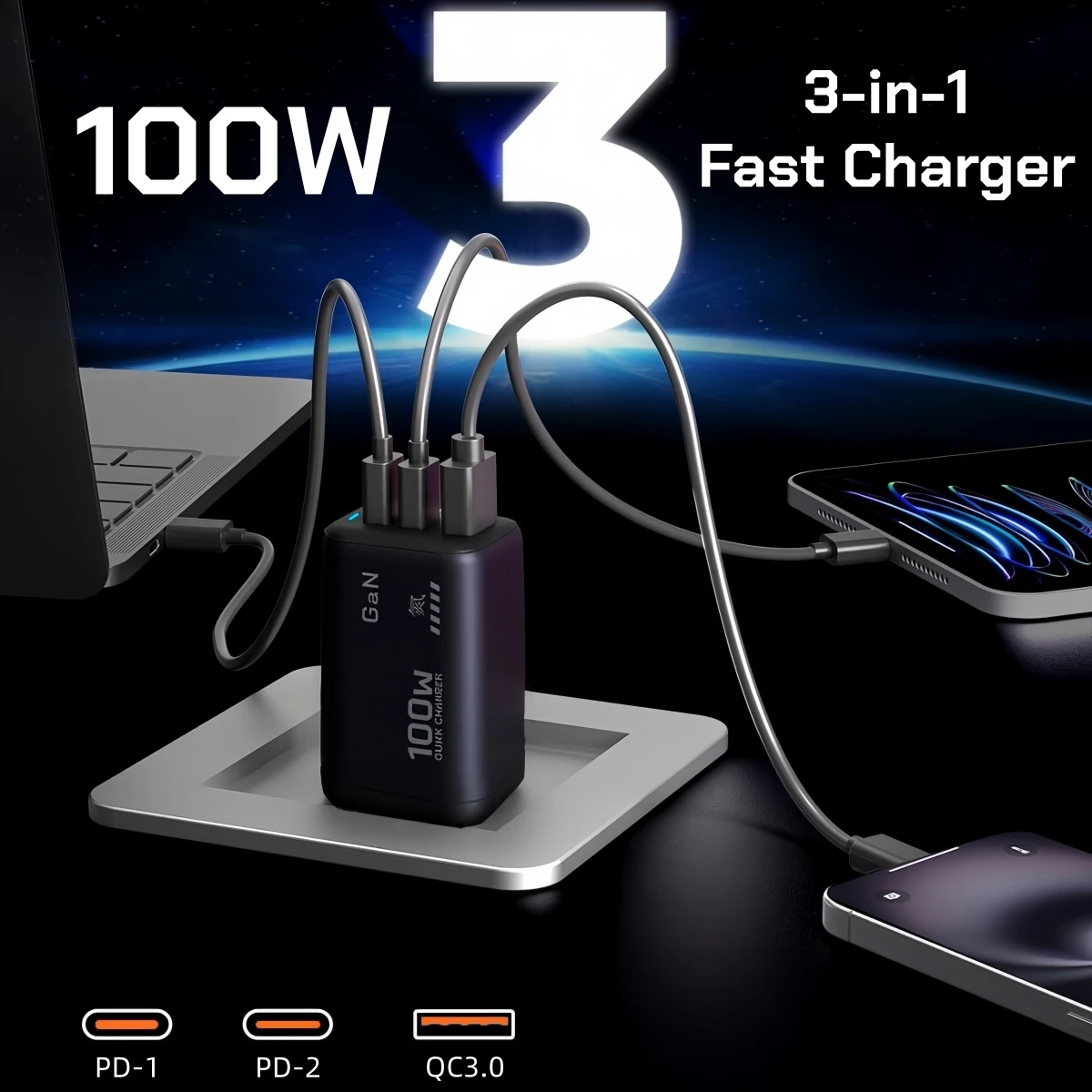
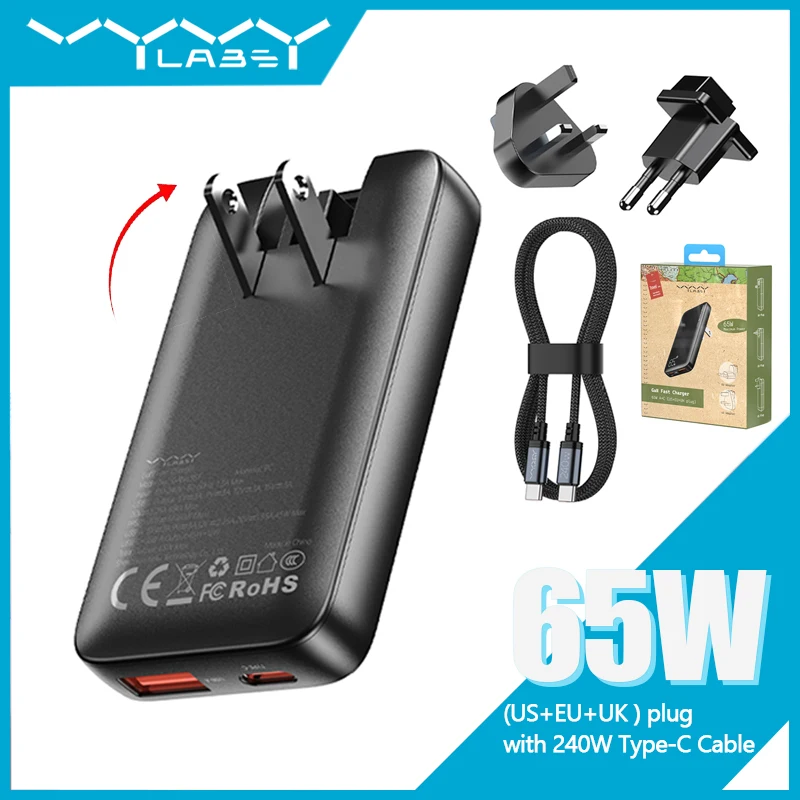
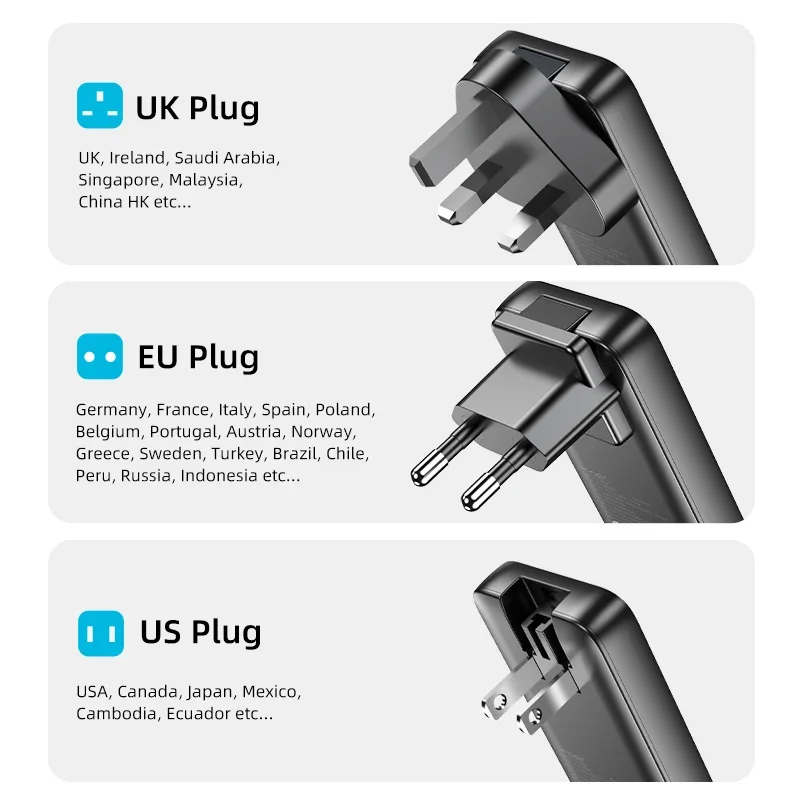
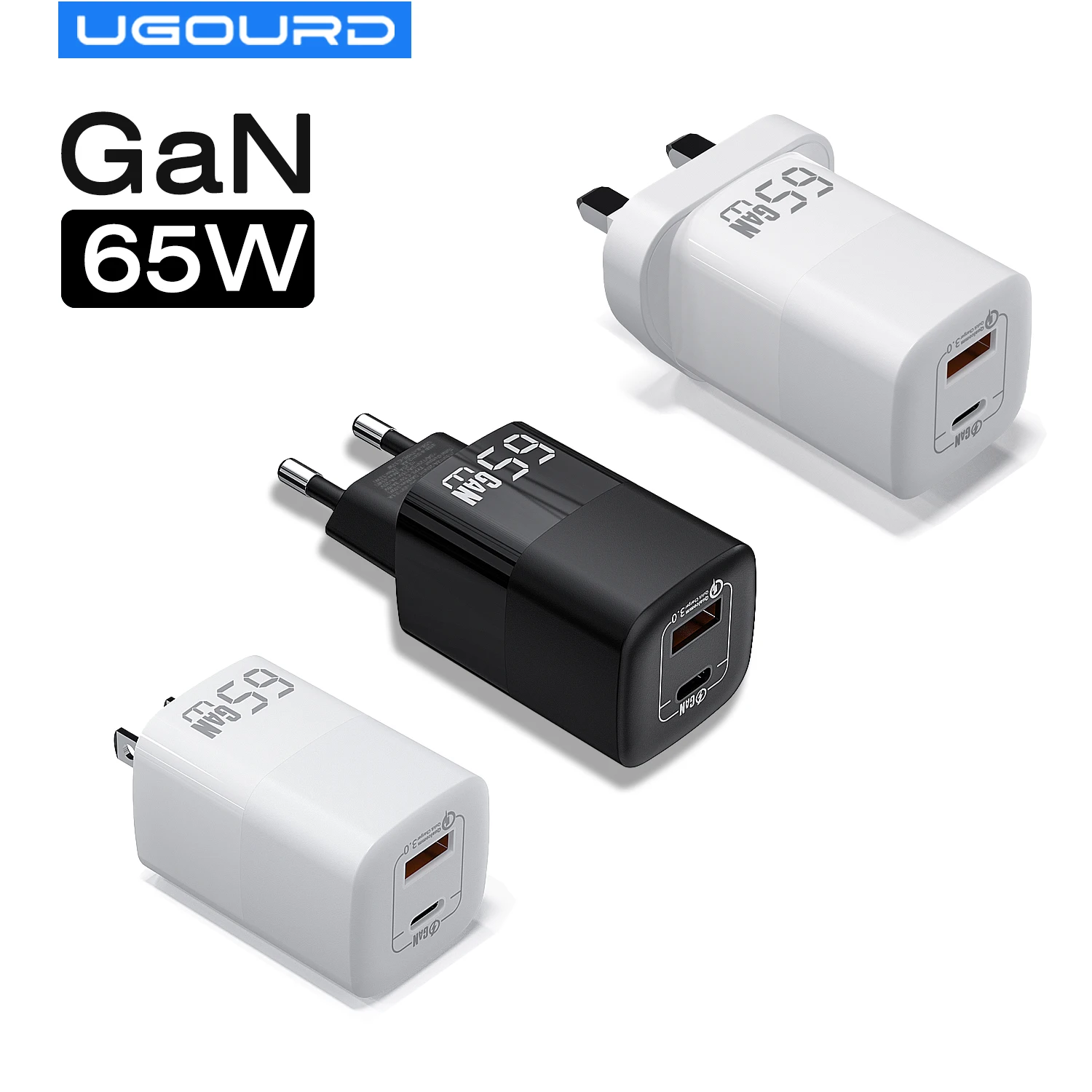
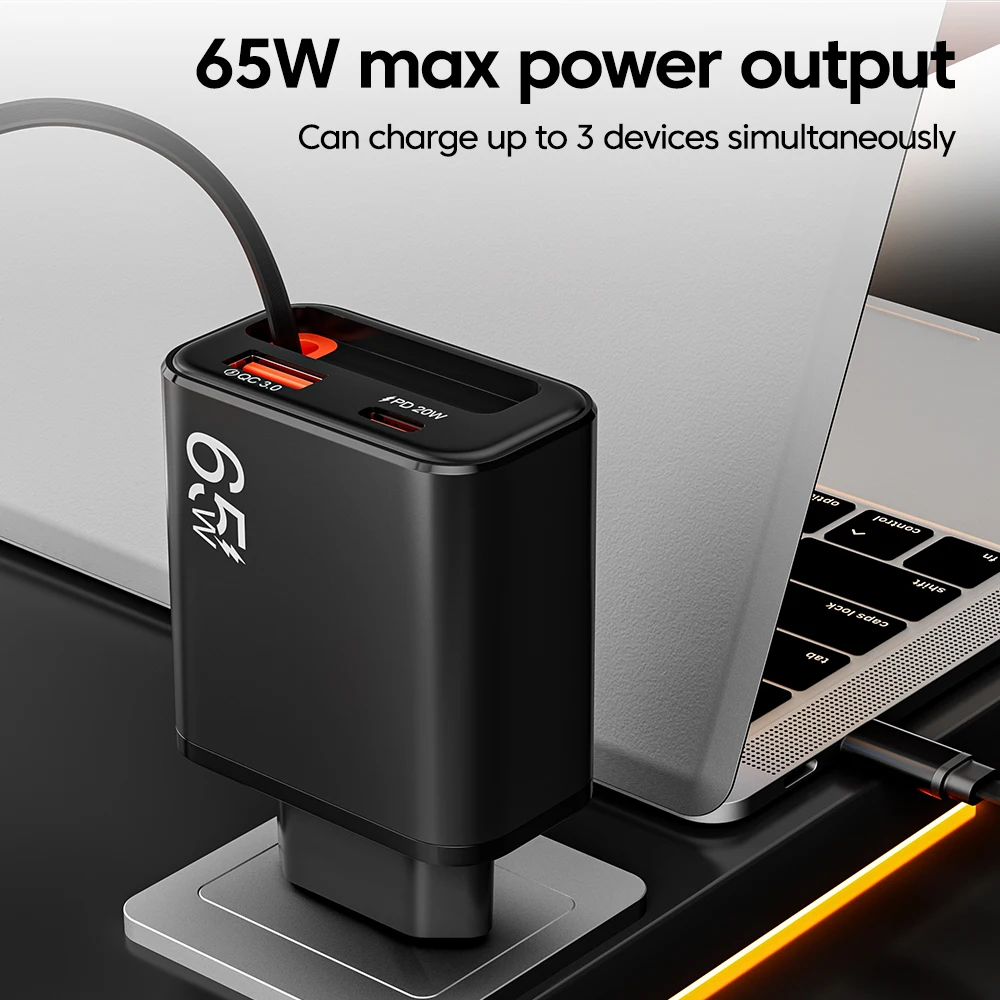
This department is everything that puts power into a laptop: a spare or replacement charger for the desk, a charger for the car, and a power bank big enough to charge a laptop rather than only a phone. Every mains charger here comes with a UK three-pin plug. That matters more than it sounds. UK law requires an electrical appliance to be fitted with a standard plug, with three rectangular pins made for a BS 1363 socket and a fuse to BS 1362, and the UK's product safety regulator, the Office for Product Safety and Standards, has recalled and stopped laptop chargers whose plugs did not meet those rules.
The ranges in this department
How to choose: the watts and the plug
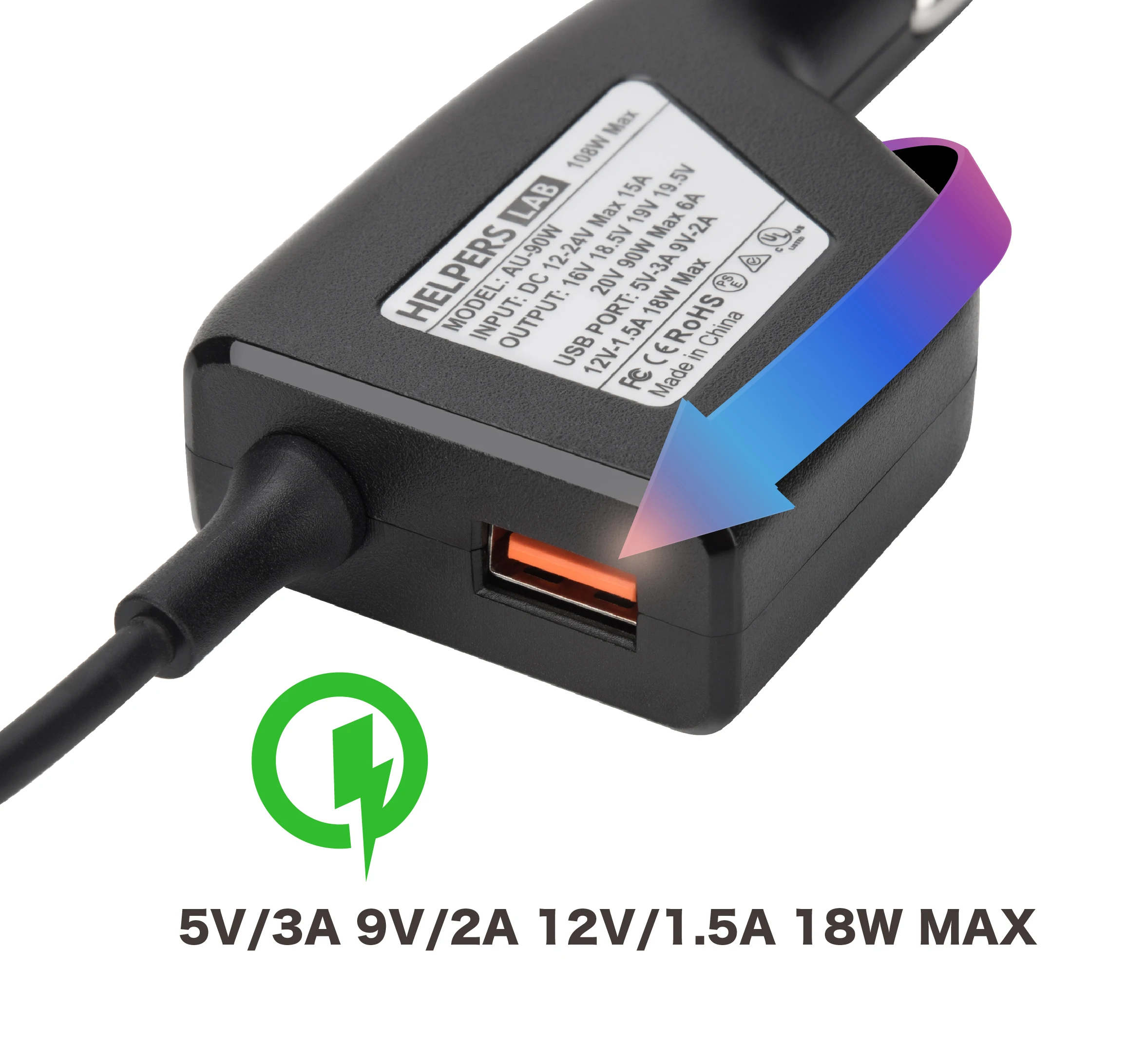
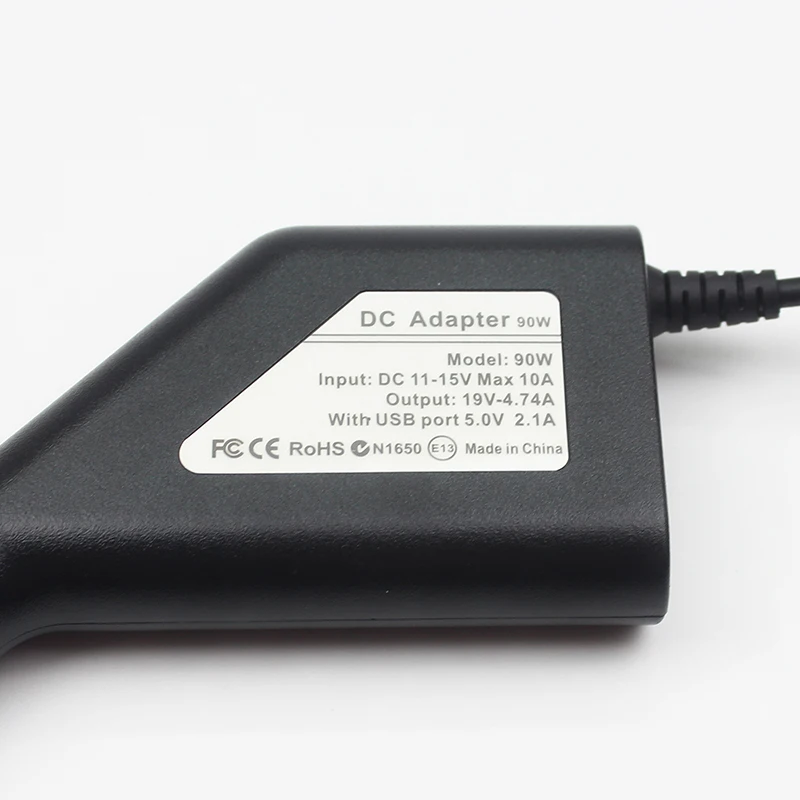
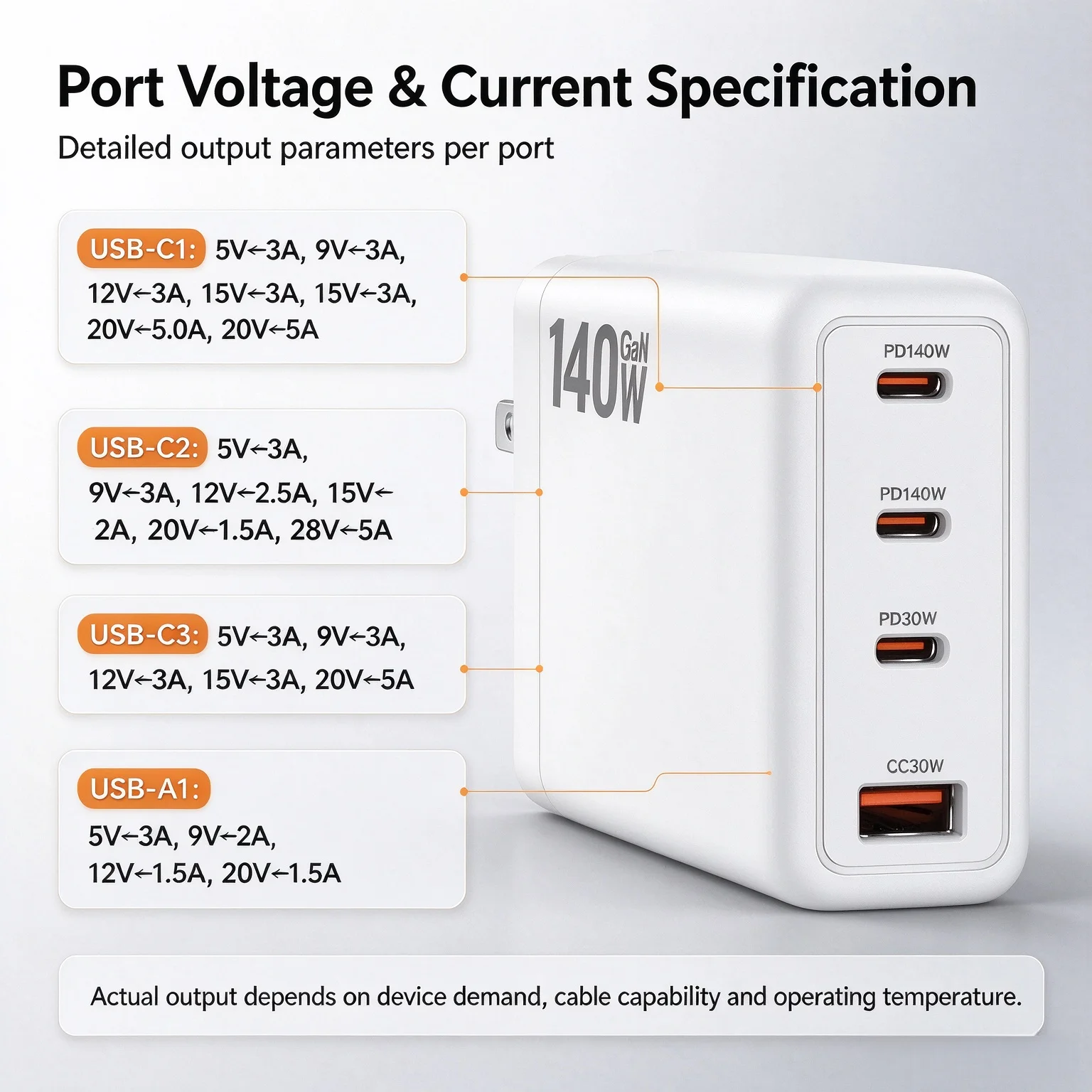
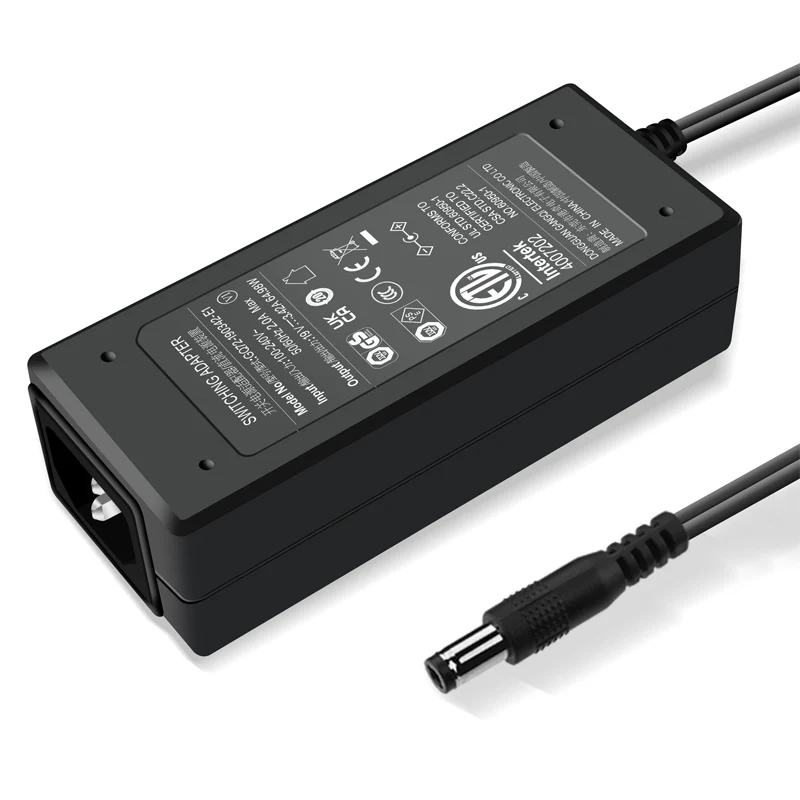
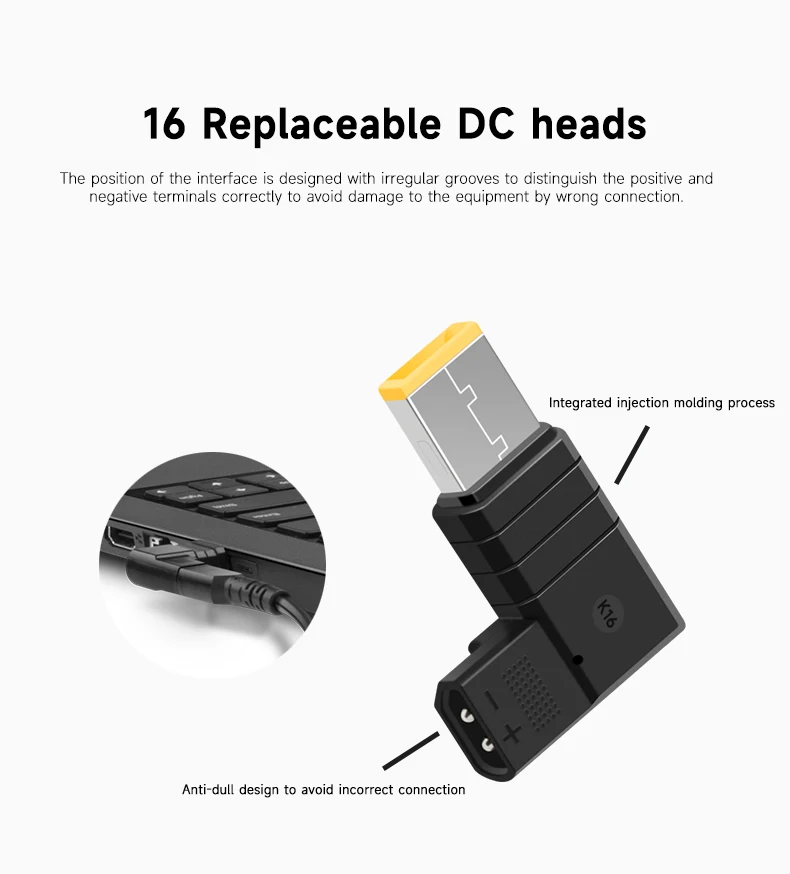
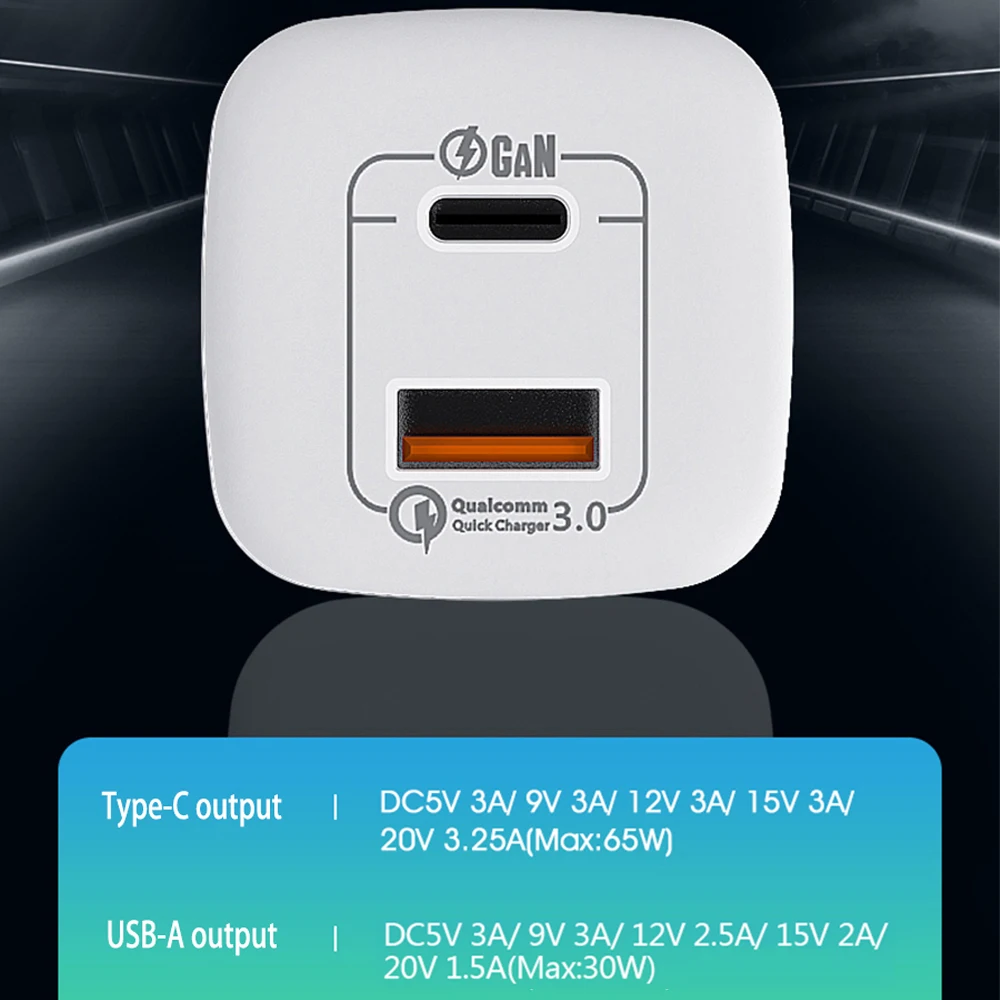
Everything starts with your laptop's original charger. Its label gives the watts, or the volts and amps, which multiply to the watts: 20 volts at 3.25 amps is 65 watts. That figure, and the connector on the end of its lead, are what to match. No charger here is sold as made for a particular laptop: the label on your own charger is the answer.
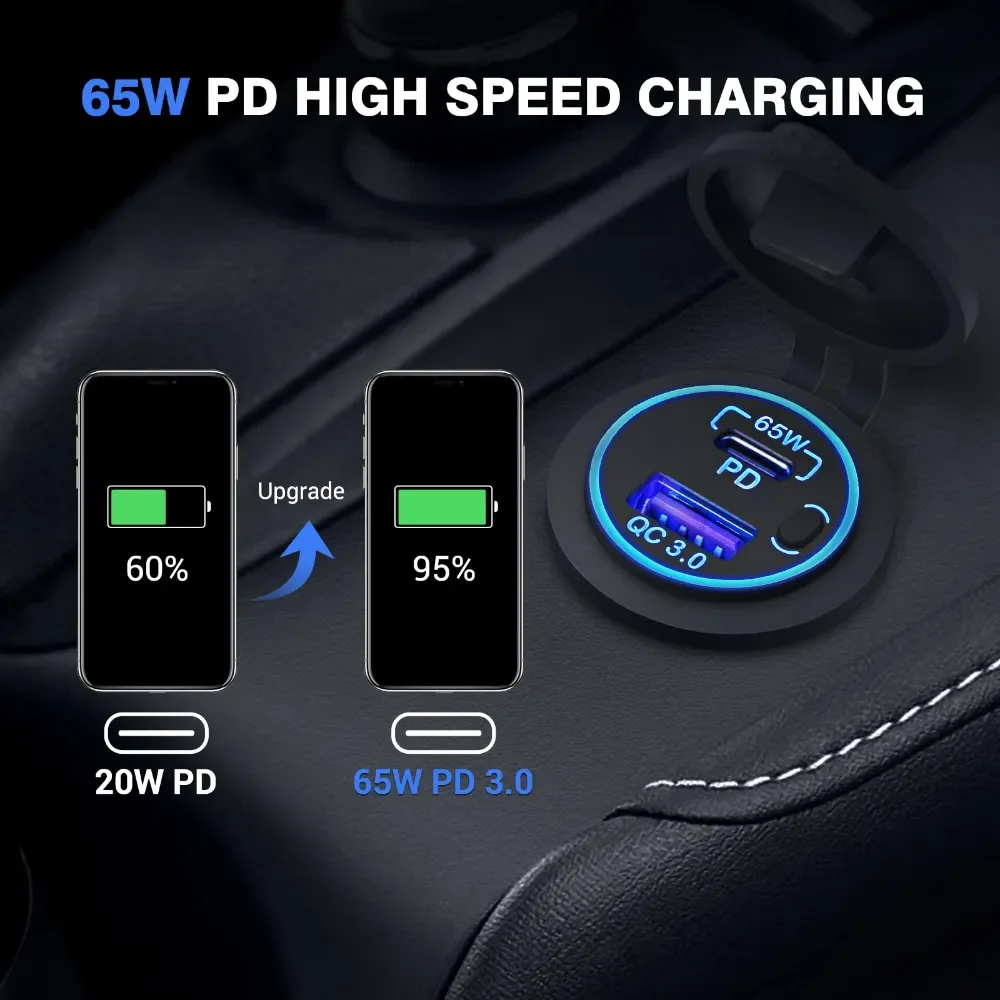
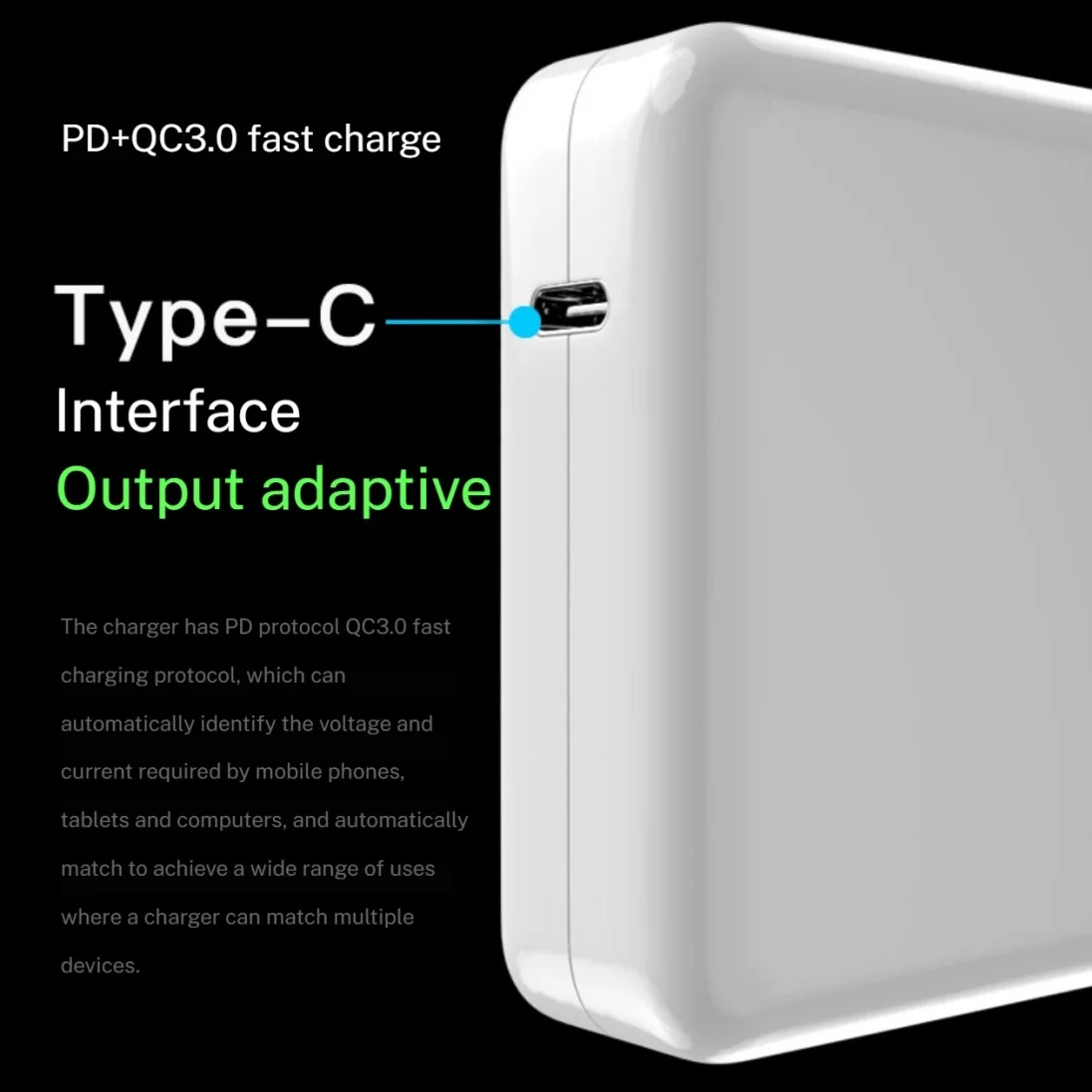
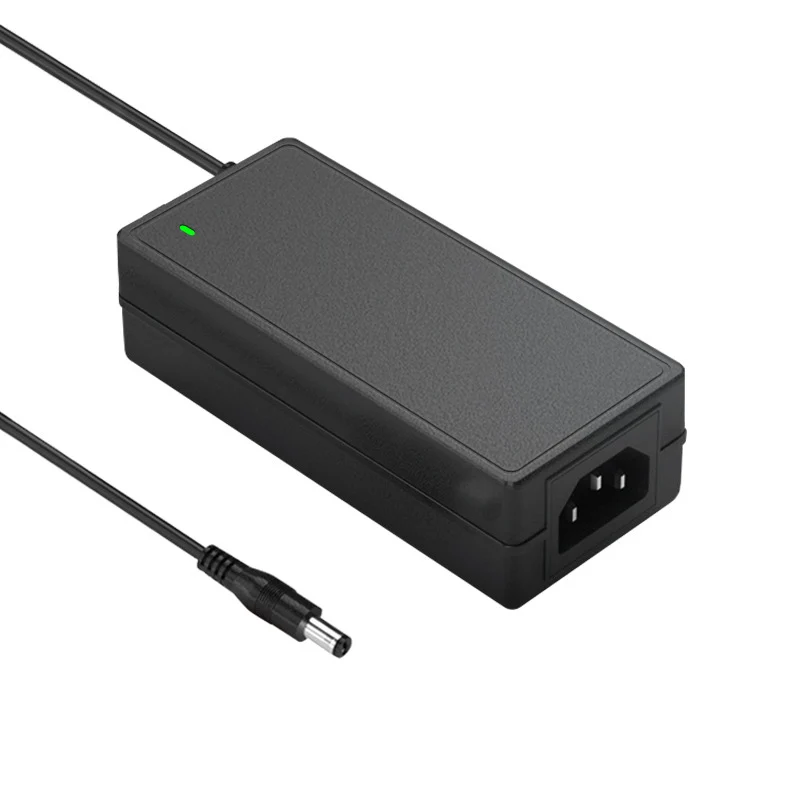
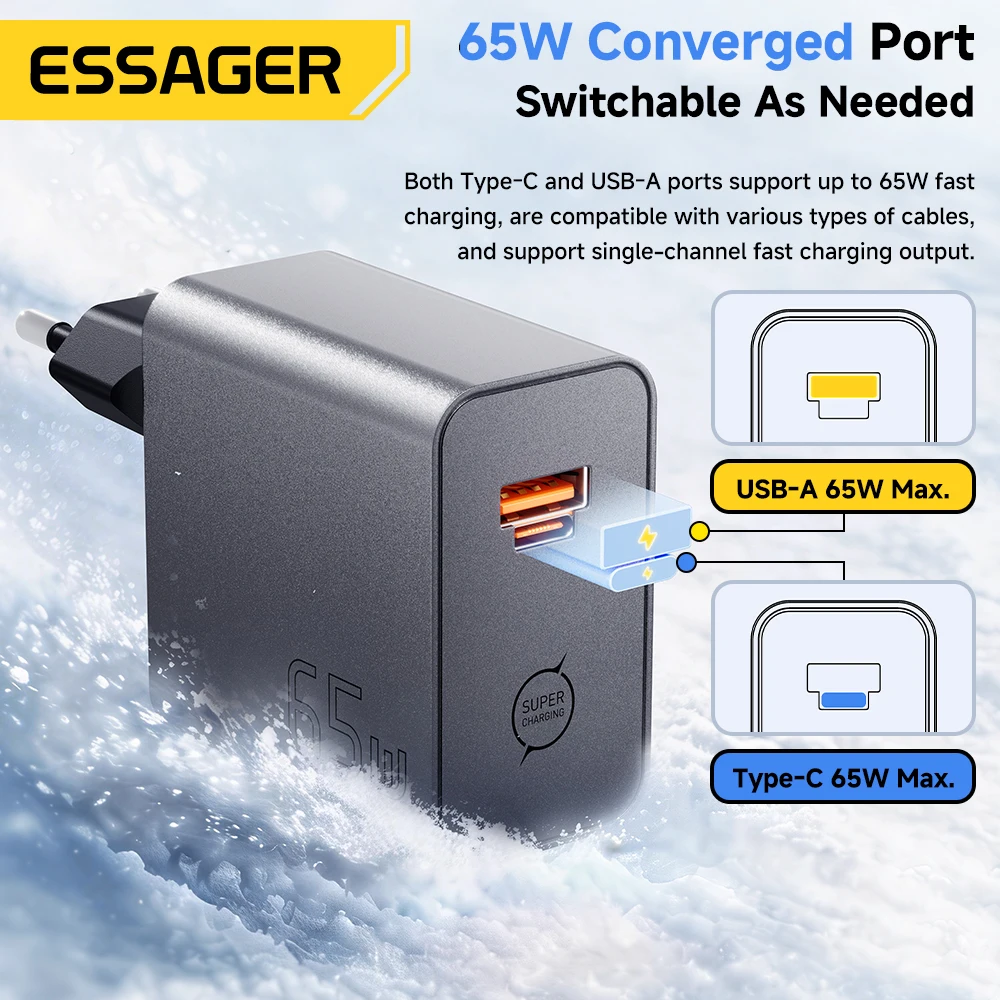
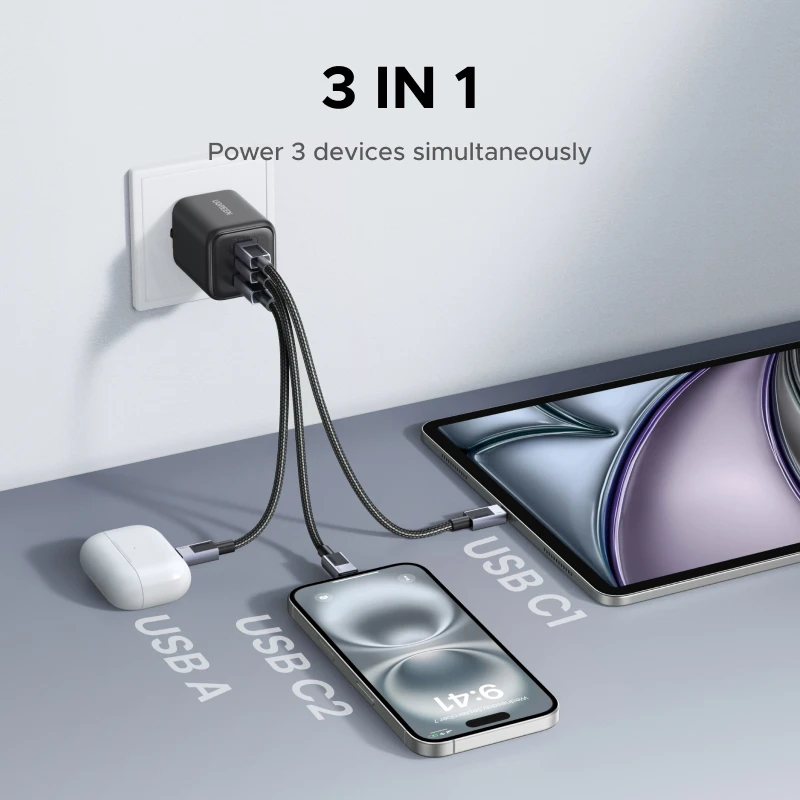
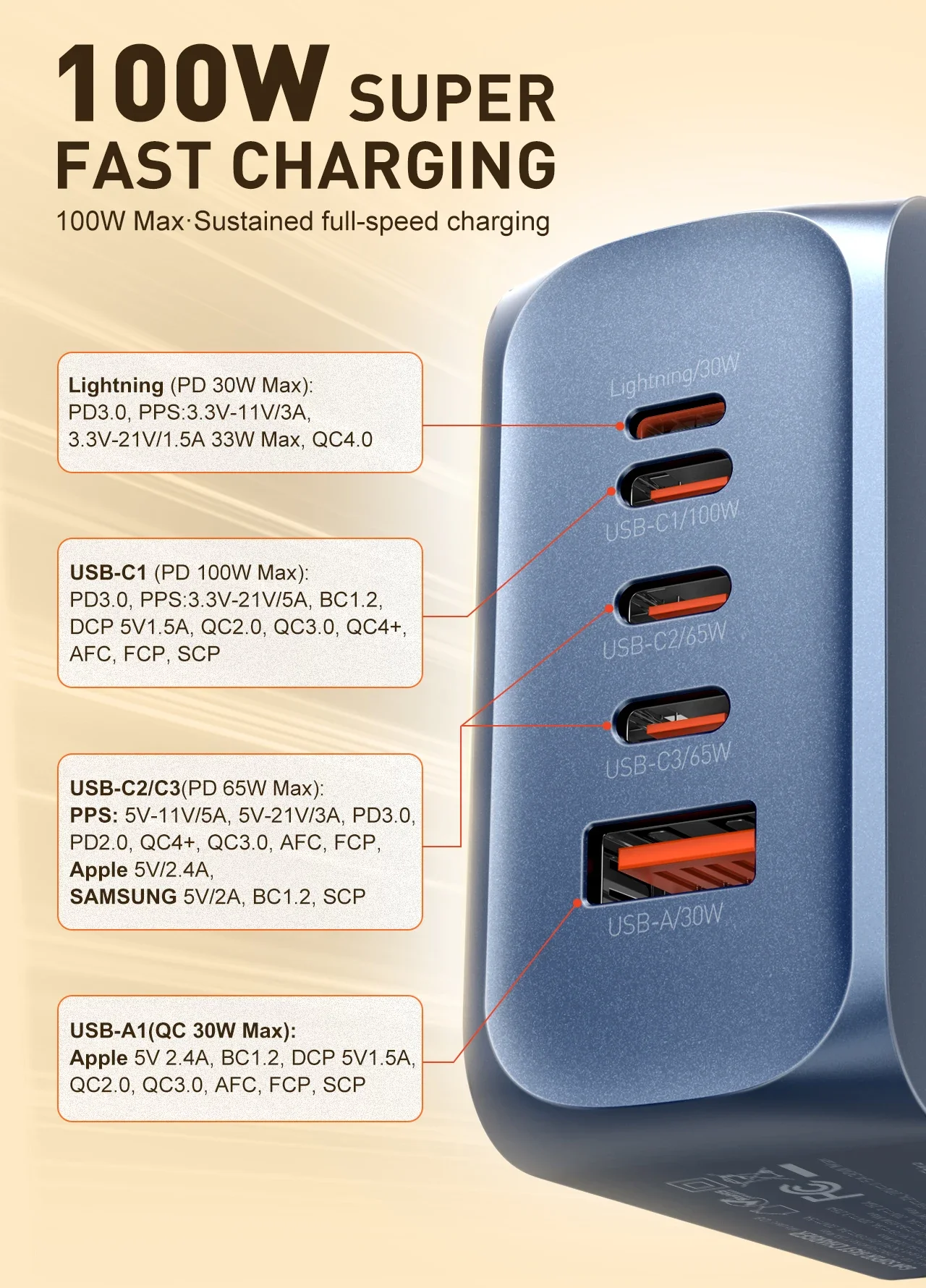
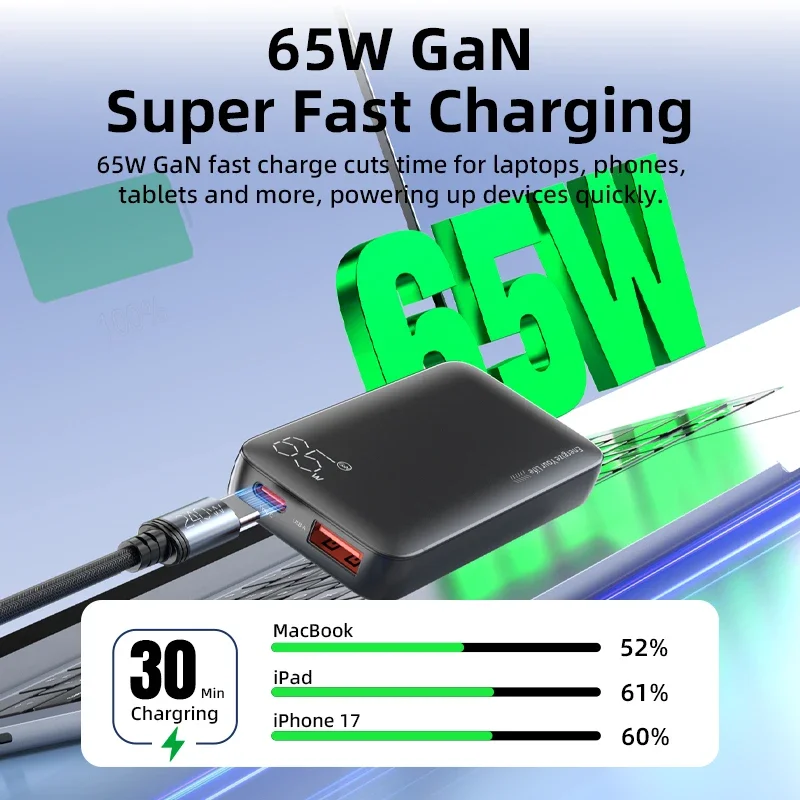
A laptop that charges through USB-C uses USB Power Delivery: the charger and laptop agree the power before it flows, so a charger with more watts than the laptop needs is safe, and one with fewer charges more slowly. A laptop with a round plug is stricter: the voltage must be the same, the watts at least the same, and the plug the right size and polarity. The guide to laptop chargers explains both.
Questions people ask about laptop chargers and power
Is a bigger USB-C charger safe for my laptop?
Yes. The laptop asks for what it needs and the charger supplies only that.
What should I check on any charger?
A fixed UK three-pin plug, the UKCA or CE mark, and the maker's details and ratings printed on it. Stop using any charger that runs too hot to hold, buzzes, or has a damaged lead or case.
Delivery is included in every price and tracked to your door.
More to look at